
Breezy Raleigh
update


​​​​​​​BreezyRaleigh.com

update
  • Homepage
  • Subscribe
  • Arts, Culture & History
  • Food & Drink Scene
  • Business Spotlight
  • All Posts
  • First-time Homeowners
  • Buying or Selling a Home
  • Practical Living & Relocation
  • Home Upgrades & Repairs
  • Things To See & Do
  • Home Design & Decoration
  • Real Estate Investing
  • Holidays
  • Arts, Culture & History
  • Food & Drink Scene
  • Business Spotlight
7 Minutes Read

First Time Home Buyers: What You Need to Know

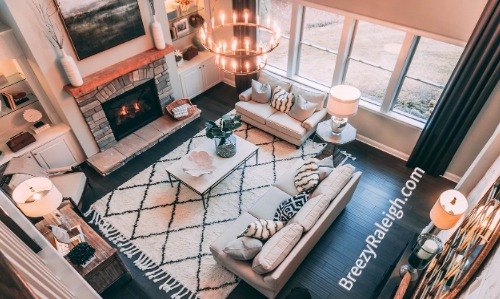
Modern Family Room


In this article, we will address how a Breezy Raleigh Agent can be a tremendous asset to a first-time home buyer, answer common questions and tackle some do’s and don’ts. We will end with a look at keys to successful homeownership. So, let’s get started!

Many first-time home buyers are understandably nervous about the process of buying their first home. Purchasing a home for the first time is an exciting and potentially stressful process. There are a lot of things to consider when buying a home, from the location to the type of home, and it is important to be prepared for the challenges that come with being a first-time home buyer. With a little research and planning, any potential buyer can be ready to take on the task of finding their perfect first home.

That’s where a real estate agent can come in very handy. A realtor can provide guidance and support throughout the entire buying process, from finding the right property to negotiating the best deal. And best of all, they can steer you away from making a costly mistake.
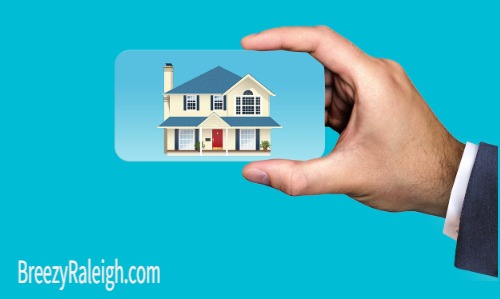
Realtor holding picture of a house


With all of the changes in the real estate industry over the years, it is more important than ever for first time homebuyers to have a Breezy Real Estate Agent on their side. Here are five reasons why:

1. A real estate agent knows the market and can recommend the best neighborhoods and homes for you.

2. A real estate agent can help negotiate the best deal for you.

3. A real estate agent can provide guidance during the home buying process.

4. A real estate agent can help you avoid costly mistakes.

5. A real estate agent has the experience and knowledge to help you through any complications that may arise.

Whether you're a first-time home buyer or even if you're buying your second home, make sure to have a real estate agent on your side. They can make a huge difference in the whole process for you.

At this point, we’d like to share some common questions we receive from first time home buyers. We have included our answers. Just keep in mind that everyone’s experience can be a little different and different possibilities can apply to different buyers based on their specific circumstances. We hope that these questions will help you in your new home journey.

blonde female at computer thinking

What is the First Thing I Should Do When Thinking About Buying a Home?

The first step to becoming a homeowner is to learn. Learn as much as you can. Then consult with a real estate agent. They will be able to help you determine what type of home you can afford and help you find homes that fit your budget and needs.

How Much Can I Afford to Spend on a New Home?

For new homebuyers, the mortgage payment is the most important component of home affordability, because it is the only thing new homebuyers have complete control over. Typically, you should spend no more than a third of your income on a mortgage payment.

For example, if you bring home $4,000 a month, your housing cost should be a maximum of $1,320, or $1320 x 12 = $15,840. This is for housing, the additional costs for taxes, utilities, and so on should not be more than $133 per month, or $1,596 per year. So, your total monthly costs should be $1,453 or $17,436/year.


Can First Time Home Buyers Buy Land?

Yes, first time home buyers can buy land. There are a few things to keep in mind when doing so, such as making sure the land is zoned for the type of home you want to build and that there is access to utilities. You will also need to factor in the cost of clearing and preparing the land for building.

farmland


Can First Time Home Buyers Buy a Foreclosure?

Yes, first time home buyers can buy a foreclosure, but they may face some challenges. For one, they may not have as much negotiating power as an experienced investor. Additionally, they may have difficulty getting financing for a foreclosed property. Just understand that buying a foreclosure property is not as easy as just purchasing it from a standard home and that there will most likely be plenty of aggressive competition for it.


How do I make an offer on a Raleigh area home, and what are the different steps in the buying process?

For the first time home buyers, the process of buying a home can be frustrating and even intimidating. The best option for you is to work with a Raleigh real estate agent. An agent can help you find a home that you love and walk you through the process of buying that home. By following these steps, you'll be well on your way to the home of your dreams.

young couple holding house drawing picture


What Does a Conventional Loan Approval Require?

A conventional loan has to go through a standard process for approval. This process includes evaluating your credit, income and expenses. If a lender determines that you have a steady income and a good credit history, that lender may give you a conventional loan. If you want a conventional loan, you will have to submit an application and documentation of your income and expenses.  If you have a good credit history, then you are likely to get a conventional loan approved, but again, this will vary depending on your income, expenses and debt.  


What is the Biggest Thing that People Don't Tell Me About Buying a Home?

The biggest thing that people don't tell you is the hidden costs of home ownership!  When you buy a home, there are all kinds of expenses that get tacked on to the purchase price that you never think about.  For example, closing costs, title insurance, escrow fees, inspection fees, moving expenses, property taxes.  

And once you buy a home, you have insurance to pay for, property maintenance costs and utilities. All of this stuff just tacks on to the price of your home.  And you may never be fully prepared for it. It's a good idea to treat your home purchase almost like a business and create a monthly budget that includes all the hidden costs and expenses. Do not worry, it is manageable.
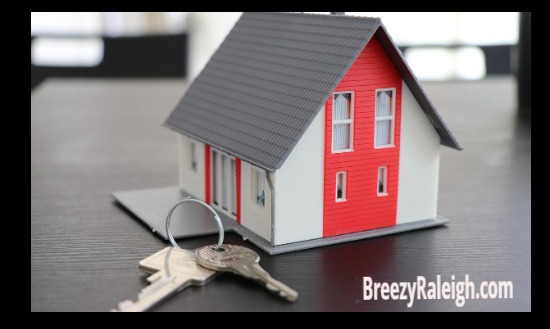
mini model house on desk with keys

First Time Home Buyer Do's and Don'ts

1. Do contact an agent to help you shop around to find a home that suits your needs, budget and priorities.

2. Do get recommendations from your Realtor.

3. Do visit open houses so that you can get a feel of different neighborhoods.

4. Do visit open houses even if you have no intention of buying.

5. Do create a list of the features which are most important to you.

6. Do put down 20% down payment, if possible, to avoid PMI payments.

7. Do qualify for a conventional loan before shopping for a home.

8. Don't buy a home that you can’t afford.

9. Don't forget to make home visits with your real estate agent.

10. Don't forget to have a professional home inspector inspect the home before the purchase.
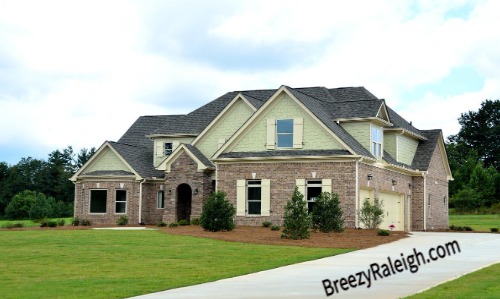
new 2 story home long driveway


5 Keys to Becoming a Successful Homeowner

Are you still renting? Click here to learn 5 reasons to stop renting.

There are many reasons why home ownership is a great investment. Some of the common financial benefits of home ownership include: tax breaks, stability and predictability in your finances, and reduced maintenance costs.

While it may not be everyone's cup of tea, owning your own home is definitely worth considering if you believe it will provide you with long-term stability and security. Home ownership is one of the most important aspects of building wealth and achieving financial independence, so make sure you weigh all the factors before making a decision!

Many people believe that homeownership is one of the best investments that an individual can make. Here are five key reasons why owning a home is a great decision:

1. Homeownership provides a common financial benefit – Home ownership provides many financial benefits, such as tax deductions, property appreciation, and home equity.

2. Homeownership is worth it – Homeownership is a long-term investment, and over time, it will generally outperform other investment options  

3. Homeownership is important – Owning a home is one of the most important decisions that an individual can make. Homeownership connects you to your community, provides you with stability, and can help you improve your credit rating.

4. Homeownership is a great way to build wealth – Homeownership is a great way to build wealth over time. Over time, homeowners can sell their home for a higher price than if they had rented it, and they will also have saved on property taxes.  

5. Homeownership is a lifetime commitment – Homeownership is a lifetime commitment. Once you purchase a home, you are locked in. You may not be able to sell your home for a high price anytime in the future.


In conclusion, buying a home for the first time can be a large task. However, with careful planning and research, it is possible to find a home within your budget and start building equity. The fact that you are reading this blog is a fantastic move on your part. The most important thing is to be prepared for the unexpected and have a realistic idea of what you can afford. With these tips in mind, you can be a first-time home buyer with confidence.

*You may also like our article about mistakes first time home buyers tend to make. You can find it here.

If we can be of help to you in the Raleigh or Durham, NC areas, feel free to reach out to us at 919-752-4321 or visit our website at: www.BreezyRaleigh.com. Thank you.

Click To Call Now


First-time Homeowners Buying or Selling a Home
Related Posts All Posts

Why Green Home Builders North Carolina Are Transforming Living

Did you know residential homes are responsible for almost 20% of all U.S. carbon emissions?This powerful fact reveals why a remarkable shift is underway— green home builders North Carolina are quietly leading a transformation that is reshaping not just homes, but the quality of everyday living. As more families seek healthier, more efficient, sustainable homes , North Carolina’s home building industry stands at the forefront, offering innovative, environmentally responsible solutions. Keep reading to discover how these pioneering builders are setting new standards, creating thriving communities, and turning eco-friendly dreams into reality.Revealing How Green Home Builders North Carolina Are Changing the Way We LiveStartling research shows that homes account for nearly 20% of U.S. carbon emissions—discover how green home builders North Carolina are leading a quiet revolution to turn this around.This post explores the undeniable shift towards green home, green building, and exceptionally energy efficient home design across North Carolina.There’s a growing momentum in North Carolina, where green home builders are redefining what it means to live sustainably. The connection between everyday living and environmental stewardship has never been tighter. Homeowners are demanding more: lower energy bills, healthier indoor air quality , and homes that last for generations—all while minimizing environmental impact.These shifts aren’t just about the environment; they also represent better living for North Carolina families, combining state-of-the-art building practices with the warmth of a well-loved home. From bustling Raleigh suburbs to peaceful Asheville hillsides, you’ll discover how high-performing, energy-efficient homes are flipping conventional building wisdom on its head.With North Carolina at the crossroads of innovation and tradition, the region’s green home builders have become leaders in adopting new green technologies—integrating powerful green features that prioritize both efficiency and comfort. Residents are seeing direct results: substantial savings on utility bills , less maintenance, and a deep sense of pride in contributing to a sustainable future.As incentives and local support for green building grow, choosing a green home builder North Carolina becomes less of a niche and more of a smart, forward-thinking decision for families who want to turn their homes into a positive legacy.As you consider the benefits of sustainable living, it's also important to think about the essential steps every new homeowner should prioritize. For a practical guide on setting up your home for long-term comfort and efficiency, explore these essential priorities for new homeowners that can help you make the most of your green investment.What Sets Green Home Builders North Carolina Apart in the Sustainable Home Industry?Green home builders North Carolina distinguish themselves through a holistic approach that merges cutting-edge sustainability with practical design. Unlike standard construction, these builders focus on whole-home energy efficiency , ensuring every component—from attic insulation and sealed crawl spaces to efficient windows and advanced HVAC systems—exceeds traditional standards. By integrating solar panels, high-efficiency appliances, and rainwater harvesting systems, they create not just a house, but a high-performing, healthy environment tailored for North Carolina’s unique climate.Beyond materials and technology, the top green home builders in North Carolina always pursue third-party certifications to affirm their commitment to excellence. Certifications like ENERGY STAR, LEED, and the North Carolina Green Built program set rigorous benchmarks for building performance, air quality, and overall sustainability. Certified home status guarantees that buyers aren’t just taking the builder’s word—they’re getting homes verified for low energy use, durability, and high indoor air quality.What’s more, these home builders are guided by a mission to elevate community wellbeing. Neighborhoods designed by leading green home builders often offer communal green spaces, enhanced walkability, and a sense of togetherness. This approach creates neighborhoods rooted in both environmental responsibility and strong social ties, creating a legacy that extends far beyond one generation.Green Build Methods and Certified Home Standards in North CarolinaExplore advanced green build techniques and how certified home standards raise the bar for quality in green homes.The backbone of green building in North Carolina is adherence to progressive building standard protocols and green certified practices. From meticulous site planning that maximizes natural light and landscape conservation, to the use of non-toxic, regionally sourced materials, today’s green home builders ensure that every step supports long-term sustainability. Leading builders deploy continuous insulation, advanced framing, and high-efficiency mechanical systems to control moisture while enhancing energy efficiency , resulting in comfortable, efficient homes with superior air quality.Green certification programs such as ENERGY STAR and LEED go deeper, demanding airtight construction, enhanced attic and crawl space insulation, water-saving features like flow faucets, and robust indoor air management. These standards require ongoing training and external verification, meaning only the most committed builders can deliver truly green built homes. By meeting or exceeding these requirements, North Carolina’s green builders guarantee home energy savings and a healthier living experience.Additionally, certified home standards continuously evolve, reflecting advances in sustainable technology and research into building science. Top-tier builders regularly update their processes to integrate new energy recovery ventilation, smart home controls, and healthy building materials—ensuring your green home stays at the cutting edge for comfort, efficiency, and longevity.The Green Home Advantage: Efficiency, Air Quality, and Enhanced ComfortReview the benefits of choosing green home builders North Carolina: improved air quality, superior energy efficiency, and high-performing efficient homes.One of the most compelling reasons North Carolinians turn to green home builders is the measurable improvement in daily comfort and health. Energy Star appliances, high-grade air filtration systems, and robust insulation work together to maintain your home’s temperature, eliminate drafts, and keep pollutants at bay. The results? Consistently low energy bills , fewer allergies, and a living space that feels fresh, clean, and inviting regardless of season.Air quality is a core benefit. Unlike traditional builds—which often suffer from poor ventilation and mold-prone, unsealed crawl spaces— green homes are specifically engineered for healthy airflow and humidity control. By using low or zero-VOC paints and finishes, and efficient ventilation systems, these homes protect your family from hidden hazards while conserving resources.Builders committed to green standards also design for resilience and comfort. From soundproofing to daylighting, every aspect is considered for real-world living—delivering refuge from summer heat, winter chill, and the noise of daily life. This all adds up to a healthier lifestyle, savings on utility bills , and the knowledge that your home is truly working for you and the planet.Choosing a Custom Home Builder with Green Expertise in North CarolinaHow leading home builders blend custom home design with green building principles for unique, sustainable living spaces.Deciding on a custom home builder knowledgeable in green building gives you the flexibility to tailor every element of your house while embedding advanced sustainability. Leading North Carolina home builders are masters at bringing together your vision—open plans, creative layouts, luxurious finishes—with eco-friendly solutions like energy-efficient windows, solar-ready roofing, and smart water systems. By working closely with you, these builders ensure your unique home reflects your style and values, all within a framework of responsible building practices.The process starts with a thorough consultation, guiding homeowners through design possibilities that maximize site orientation, natural lighting, and energy performance. Professionals help you choose durable, non-toxic finishes, low-flow faucets, and superior insulation for a home that not only meets but exceeds expectations for both luxury and efficiency. A green custom home in North Carolina means waking up every day in a space that supports your health, saves you money, and stands the test of time."Our green home was built to last—it’s both environmentally responsible and architecturally stunning." – Satisfied North Carolina HomeownerThis harmony of design and sustainability gives buyers lasting peace of mind, knowing their investment is contributing to a healthier family lifestyle and a better future for the community they call home.Comparing Green Home Builders North Carolina: Certifications and CredentialsBuilder NameKey CertificationsNotable ProjectsEcoBuild NCLEED Gold, ENERGY STARGreen River Estates (Charlotte), Pineview Eco Community (Durham)Emerald HomesGreen Built NC, ENERGY STARSolar Grove at Raleigh, Emerald Oaks (Chapel Hill)Sunrise Sustainable BuildersLEED Platinum, NAHB GreenBriar Patch Enclave (Asheville), Sunpoint ResidencesBlue Ridge Green HomesHealthy Built Home, EnergyPlusValley View Village, Blue Ridge ModernWhen comparing potential green home builders North Carolina , always verify their certifications and notable projects. Reputable builders will list third-party certifications on their websites and offer clear examples of completed projects with documented energy performance. These credentials act as a quality guarantee, ensuring you enjoy real long-term benefits with your new efficient and resilient home.With so many options, reviewing builder credentials provides assurance that your home will be constructed to the highest standards, reflecting the best in both technology and ethical building practices. This is not only about reducing energy costs —it’s about safeguarding your investment and your family’s quality of life over time.Working with credentialed builders also offers peace of mind that your home is not just compliant, but ahead of the curve—anticipating future energy codes and value-boosting requirements of the building industry in North Carolina.How Energy Efficient Features Lower Costs and Boost SustainabilityEnergy Star Appliances, Home Energy Savings & Eco-Friendly MaterialsLearn how green home builders North Carolina prioritize energy efficient technologies and building standards that reduce monthly utility bills and environmental impact.North Carolina’s leading green home builders know that true sustainability comes from pairing high-quality construction with the latest energy-saving technologies. Homes that use ENERGY STAR appliances, advanced insulation, and double- or triple-pane efficient windows consistently outperform standard houses—delivering year-round comfort with drastically lower home energy use. Smart thermostats, high efficiency heating and cooling systems, and solar panel integration ensure that every dollar you invest pays long-term dividends through lower utility bills.Eco-friendly materials further drive savings while safeguarding the environment. Builders select responsibly sourced woods, recycled steel, low-emission drywall, and water-saving fixtures to minimize the overall carbon footprint of the home. Each component, from efficient lighting to permeable pavers, is chosen not just for aesthetics, but for long-term durability and resource conservation.By prioritizing energy-efficient features and sustainable materials at every stage of the building process, families in North Carolina save on monthly energy bills, have less frequent repairs, and support a healthier local ecosystem. The payoff is tangible, immediate, and continues to grow as energy rates rise and environmental stewardship becomes more critical.Green Building and Home Energy Standards: North Carolina At the ForefrontOverview of green building codes, how home builder professionals ensure compliance, and the advantages of building in a progressive state.North Carolina sets itself apart with forward-thinking green building codes and rigorous energy compliance requirements. These standards drive innovation and help professional home builders deliver on promises of superior efficiency, air quality , and long-term value. Every new green home must meet or exceed insulation requirements, tight building envelopes, and best-in-class mechanical ventilation—ensuring a healthier indoor environment with noticeably reduced environmental impact.Builders work closely with inspectors, architects, and third-party certifiers to guarantee every home performs as designed. Consistent application and ongoing verification of building practices are critical for ensuring true sustainability—no green washing, just genuine, measurable results. This level of rigor makes North Carolina’s green homes healthier, more durable, and better suited for the state’s variable climate.Homeowners benefit immediately not only from reduced energy bills but also from improved resale value and the reassurance that their home is ready for emerging building codes and standards. As one of the nation’s most progressive states for green building, North Carolina is an ideal place to invest in a green built custom home.People Also Ask: Common Questions About Green Home Builders North CarolinaWhat makes a home builder qualify as a green home builder in North Carolina?Green home builders North Carolina utilize environmentally safe materials, efficient systems, and adhere to green building and energy efficient standards to minimize footprint.A green home builder North Carolina adheres to strict criteria involving sustainable materials, smart home energy systems, and eco-friendly building practices. They use non-toxic and renewable building materials, optimize energy and water efficiency, and design homes with sealed crawl spaces, proper ventilation, and innovative insulation. These professionals continuously educate themselves on evolving standards and green certifications to deliver the most advanced, responsible homes possible.Are green homes more expensive to build in North Carolina?Initial green home costs may be higher, but energy savings and government incentives often reduce overall expense long-term.While the upfront investment for green homes can exceed that of traditional homes, significant energy bill reductions, lower maintenance costs, and available state incentives mean buyers save more over the long term. Energy-efficient features and superior construction lower utility bills each month, while government rebates and tax incentives offset part of the initial cost, making green homes a wise financial—and environmental—decision.What certifications should I look for in North Carolina green home builders?Seek out Energy Star, LEED, and other green build certifications to ensure adherence to strict standards.Look for certifications like ENERGY STAR , LEED (Leadership in Energy and Environmental Design), Green Built NC, and NAHB National Green Building Standard. These credentials ensure your builder follows industry best practices in energy efficiency, water conservation, air quality , and ethical material sourcing.Top Features Offered by Green Home Builders North Carolina: A ChecklistQuickly review the most sought-after green building elements: solar panels, smart thermostats, upgraded insulation, and water-saving systems.Solar panels and battery backup systemsSmart thermostats and home automationEnhanced insulation (attic, walls, sealed crawl spaces)ENERGY STAR appliances and lightingLow-flow faucets, advanced water-saving plumbingEfficient HVAC and air filtration systemsNon-toxic paints, sealants, and flooringNative plant landscaping for reduced irrigationRainwater harvesting and permeable drivewaysThe best green home builders North Carolina will offer these features as standard or recommended upgrades, allowing you to customize your home while maximizing both value and sustainability. These options translate to lower energy use, healthier spaces, and lasting property value—key reasons why so many families in North Carolina are making the switch to green.FAQs: Understanding Green Home Builders North Carolina1. How do efficient homes improve air quality?2. Can green homes be custom-designed?3. What is the process with a green home builder North Carolina?How do efficient homes improve air quality? Efficient homes use enhanced filtration, properly sealed crawl spaces, and balanced ventilation systems that continually refresh indoor air and filter out pollutants. These measures reduce allergens, mold risk, and harmful airborne toxins, supporting a healthier, safer living environment.Can green homes be custom-designed? Absolutely! Leading green home builders North Carolina specialize in custom home designs, working closely with clients to blend personal style preferences with sustainable, energy efficient building solutions. This ensures every home is unique, comfortable, and minimizes environmental impact.What is the process with a green home builder North Carolina? The process starts with a consultation to discuss goals and site conditions, followed by design planning that integrates green features and efficiency standards. Construction is monitored for compliance, with third-party inspections ensuring your home meets all green certification requirements.Why Now is the Time to Choose Green Home Builders North Carolina"North Carolina’s green homes are leading the way for a sustainable, healthy future." – Regional Green Building CouncilAct now for state incentives and get ahead of energy code changes—secure your place in North Carolina’s sustainable living movement by partnering with a trusted green home builder.With government incentives, tightening building codes, and growing demand for energy efficiency, there’s never been a better moment to choose green home builders North Carolina. Making the switch now means benefiting from the latest advances, maximizing savings, and investing in a healthier, more sustainable future for your family.Key Insights From Green Home Builders North CarolinaChoosing green home builders North Carolina ensures sustainable design, reliable savings, and healthier living—make your next home a positive legacy.North Carolina’s green home movement is more than a trend—it’s a commitment to future generations. By choosing qualified green builders, you’re not only gaining comfort and savings, but also forging a responsible path for years to come.If you’re inspired by the possibilities of sustainable living in North Carolina, consider how your next real estate decision can further enhance your lifestyle and investment. Raleigh, in particular, offers a vibrant market where eco-friendly homes are increasingly in demand, making it a smart location for both comfort and long-term value.Discover why Raleigh real estate is considered the ultimate gift for families seeking a blend of modern amenities and green living by reading these top reasons Raleigh NC real estate stands out . Let your journey toward a healthier, more sustainable home be the first step in a legacy of smart, future-focused choices.Experience a virtual walkthrough highlighting innovative green building techniques and energy-saving features.Understand green building certifications and standards through expert explanations from leading local home builders.Conclusion: Partner with a green home builder North Carolina today—unlock a legacy of healthier living, lasting savings, and real sustainability for you and your family.Green home builders in North Carolina are at the forefront of sustainable living, offering innovative solutions that enhance both environmental responsibility and homeowner comfort. For instance, the Green Built Alliance provides comprehensive resources, certifications, and education to advance green building practices across the state. ( greenbuilt.org )Additionally, the Green Built Homes program offers a certification system that emphasizes energy efficiency, indoor air quality, and resource conservation, ensuring homes meet rigorous sustainability standards. ( greenbuilt.org ) By exploring these resources, you can gain valuable insights into the benefits and processes of building a green home in North Carolina.

"Buying a Home in NC? 7 Insider Tips Realtors Won’t Always Tell You"

Did you know? In the last five years, North Carolina home prices have skyrocketed by over 25%, far outpacing many other southeastern states. If you’re planning to buy a house in North Carolina, understanding the unique NC home buying process is essential beyond just the beautiful homes and southern charm. From unique due diligence periods to surprise closing costs, the Tar Heel State offers both challenges and little-known advantages on the road to homeownership. This comprehensive guide reveals the critical NC-specific insights most realtors won’t tell you—so you can buy smarter, avoid costly missteps, and thrive in today’s dynamic real estate market. The Realities of Buying a Home in North Carolina: Eye-Opening Stats and Surprising Facts The North Carolina real estate market has evolved dramatically, making the home buying experience increasingly competitive for all home buyers. Over the past few years, the state has seen housing inventory tighten and sale prices trend upward, forcing buyers to act swiftly and strategically. This environment catches many first-time home buyers off guard—especially those relocating from markets with different customs and timelines. “Did you know that North Carolina home prices have increased by over 25% in the last five years, outpacing many other states in the southeast?” But don’t let rising prices or low inventory scare you away. Mastering the North Carolina home buying process and leveraging insider tips can give you a competitive edge in today’s dynamic housing market. This guide breaks down exactly what makes the NC home buying process unique, ensuring you stay ahead of bidding wars, navigate disclosure requirements, and leverage little-known local opportunities to your advantage. Why Buying a Home in North Carolina Is Different Than Anywhere Else Specific home buying requirements unique to the NC home market Insights on North Carolina property taxes and closing costs The structure of the home buying process in the state When you decide to buy a home in North Carolina, it’s important to recognize the critical differences in the state’s buying process compared to other markets. From the distinctive “due diligence” period—which sets North Carolina apart—to unique closing cost breakdowns and property tax structures, it’s vital for every home buyer to understand these nuances upfront. For instance, property taxes in North Carolina are calculated county by county and can impact your ongoing costs considerably. Likewise, closing cost calculations often include North Carolina-specific fees, state-imposed excise taxes, and even requirements for local attorneys at closing. Educating yourself on the full home buying process in North Carolina, including these state and local requirements, will help you avoid unexpected expenses and make more confident decisions from offer to closing. As you plan your budget, it’s worth noting that there are several practical ways to reduce your out-of-pocket expenses at closing. For a deeper dive into actionable strategies, check out these tips to minimize closing costs in North Carolina —a resource that can help you keep more money in your pocket during the final stages of your home purchase. Understanding the Home Buying Process: What Every NC Home Buyer Needs to Know Key Stages in the North Carolina Home Buying Process Pre-approval and finance options Making competitive offers on real estate Legal nuances of the Carolina home market The North Carolina home buying process starts with financial preparation. Most home buyers begin by obtaining mortgage pre-approval, which not only validates your purchase power but also positions your offer to stand out in a crowded market. Lenders in North Carolina offer a variety of mortgage loan options, from conventional to specialized VA and USDA loans for rural or eligible buyers. Once pre-approved, you’ll move on to making offers—a process that involves understanding the unique legal nuances of North Carolina’s real estate contracts. Here, the “due diligence” period is especially important. This non-refundable deposit (paid directly to the seller) secures your right to inspect the property and negotiate or walk away, a system few other states employ. Knowing how and when to utilize this period gives you negotiating power while protecting your earnest money investment. Home Appraisal and Inspection: NC-Specific Factors “Unlike many states, North Carolina requires a unique due diligence period—understand its importance before you buy a house.” In the North Carolina home buying process, both the home appraisal and home inspection are crucial steps to ensure a sound investment. The appraisal confirms the property’s value so your lender can approve the mortgage loan amount, while a quality inspection ensures you catch potential issues before you commit. North Carolina’s “due diligence” window gives buyers the right to inspect for hidden issues—ranging from termite infestations common in the humid climate to weather-related risks like hurricanes or flooding. Partnering with experienced local professionals for these assessments can save you thousands in unforeseen repairs and help you use inspection findings to negotiate sale price or necessary repairs with sellers. Always check if your inspector is licensed in North Carolina and request detailed reports that cover region-specific concerns, such as radon levels or crawlspace moisture. Finding the Right Real Estate Agent When Buying a Home in North Carolina What to Look for in a North Carolina Real Estate Agent Local expertise with the NC home market Familiarity with property taxes, closing cost, and state forms Selecting a knowledgeable real estate agent with expertise in the North Carolina home market can significantly improve your buying experience. Their localized expertise equips you with up-to-the-minute insights on neighborhoods, market trends, and even off-market properties. Look for agents who truly understand the ins and outs of North Carolina closing costs and can explain the implications of regional property taxes . An expert local agent can help you craft strategic offers, anticipate potential negotiation sticking points, and connect you to proven home inspectors and mortgage lenders. A reputable estate agent should provide clear documentation on closing cost estimations and unique North Carolina disclosure forms. Don’t be afraid to request recent references and verify the agent’s track record in your preferred area—especially if you’re a first-time NC home buyer or relocating from out of state. Questions Every NC Home Buyer Should Ask Their Agent Experience in the specific buying process Past transactions with North Carolina home buyers Before hiring a real estate agent, ask them about their familiarity with the entire NC home buying process . How many North Carolina transactions have they closed in the past year? Do they have experience with unique legal and tax considerations in your chosen city or county? The best agents can answer questions about local market competition and property tax rates without hesitation. You’ll also want to confirm their negotiation tactics for dealing with hot North Carolina markets and for guiding buyers through multiple-offer situations. Use their experience to clarify every aspect of the process, from offer deadlines and earnest money deposits to recommended attorneys for your closing day. Understanding Property Taxes, Closing Costs, and Fees in North Carolina Breaking Down North Carolina Closing Costs and Other Expenses Typical Closing Costs for Buying a Home in North Carolina Expense Average Cost Range Loan Origination Fee $1,000 - $2,000 Title Insurance $500 - $1,200 Property Taxes Varies by county Home Inspection $300 - $600 Appraisal Fee $350 - $600 In North Carolina, buyers should prepare for a range of closing costs that go beyond the purchase price of the home. Loan origination fees, title insurance, inspection costs, and property taxes all contribute to your out-of-pocket expenses at closing. Unlike some other markets, North Carolina often requires the involvement of an attorney for real estate closings, which may add to your total expense. These fees can fluctuate based on the county and the home’s sale price, so getting advance estimates—and clarifying what’s customary in your target area—will help you budget effectively. Always ask your real estate agent or loan officer for Good Faith Estimates and review local closing cost calculators for more precise planning. Property Tax Implications for NC Home Buyers “Property taxes in North Carolina can range sharply based on region, so know your county rates before making an offer.” Property taxes in North Carolina are assessed at the county, municipal, and sometimes even special district level, which can lead to significant differences between neighboring areas. For example, property tax rates in Mecklenburg County (Charlotte) may be higher than those in neighboring Union County. This means the ongoing cost of homeownership can change dramatically depending on location—even for homes with similar sale prices. Buyers should always check the latest county tax rates and budget accordingly, as property taxes directly impact your mortgage payment and overall affordability. Your real estate agent should help you compare property taxes on your favorite neighborhoods and factor this data into your monthly and annual homeownership costs. How the NC Housing Market Impacts Home Buyers Current Trends in the North Carolina Housing Market Median prices by region Real estate inventory levels (buyer vs. seller advantage) Competition and average time on market The North Carolina housing market has experienced robust price growth and shifting supply and demand dynamics in recent years. Median sale prices vary by region—urban areas like Raleigh-Durham and Charlotte tend to command higher prices and faster sales, while mountain and coastal regions display more seasonal trends. Currently, the state leans toward a seller’s market, with many homes listed receiving multiple competitive offers. Understanding regional market trends is vital for North Carolina home buyers, especially if you want to buy a house in a high-demand area. Data points like days on market, list-to-sale price ratios, and inventory volumes will influence your offer strategy and timeline. Experienced real estate agents can provide hyper-local insights to help you make smart, timely decisions despite market competition. Maximizing Payment Assistance Programs and Down Payment Help in North Carolina Overview of Popular Payment Assistance and NC Home Advantage Programs NC Home Advantage Mortgage® NC 1st Home Buyer Grant Other payment assistance avenues for first-time and repeat home buyers North Carolina supports buyers with several payment assistance and home advantage programs aimed at first-time and move-up home buyers. Chief among these is the NC Home Advantage Mortgage® , which offers down payment assistance up to 3% of the loan amount for eligible buyers—making homeownership much more attainable. The NC 1st Home Buyer Grant can provide additional funds for true first-timers, while other programs target rural purchases or specialty buyer profiles. These programs not only reduce your cash required at closing but also deliver peace of mind for buyers concerned about liquid savings. Be sure to check requirements such as maximum income limits, property type eligibility, and minimum credit score thresholds before applying. Eligibility and Application Tips for North Carolina Home Buyers To qualify for most North Carolina payment assistance and home advantage programs, you generally need to meet specific guidelines around income, property location, and intended use as a primary residence. Start by gathering supporting documentation, including pay stubs, federal tax returns, and accurate credit reports. Many programs prioritize first-time buyers, but repeat buyers who haven’t owned in several years may also qualify. Work closely with your mortgage lender or estate agent to ensure all paperwork is submitted correctly and on time. Application windows and funding pools for these programs can close quickly—so the earlier you apply and are pre-approved, the better your odds of securing assistance for your North Carolina home purchase. Insider Strategies: Navigating Home Offers and Negotiations in the Carolina Home Market Writing offers: Details unique to buying a house in North Carolina Due diligence fees vs. earnest money explained Negotiating repairs after home inspection In North Carolina, writing an offer involves choosing the right combination of due diligence fee and earnest money deposit. The due diligence fee secures the inspection period for the buyer and is typically nonrefundable, regardless of whether you close on the home. Earnest money, by contrast, is usually refundable under certain conditions. Understanding these distinctions is critical to protecting your interests and leveraging negotiating power during the offer process. Once inspections are complete, buyers have the chance to renegotiate repairs or price adjustments based on the findings—an essential stage of the transaction. Rely on your real estate agent’s negotiation skills and knowledge of local competition to secure the best deal on your new North Carolina home. Essential NC-Specific Home Inspection and Appraisal Insights Must-Know Home Inspection Checklist for Buying a Home in North Carolina Radon and termite testing for NC homes Local weather risks: floods, hurricanes Common issues in older North Carolina homes The humid climate and rich biodiversity of North Carolina mean home inspections must be thorough and NC-specific. Always request radon and termite testing , especially for older homes or properties with wood framing. Inspectors should also look for flood or hurricane damage, particularly in coastal or low-lying areas. Foundation shifting, crawlspace moisture, and outdated electrical systems are common in vintage Carolina homes. Arming yourself with a comprehensive inspection report allows you to make informed decisions about repairs and renegotiations—and could help you avoid tens of thousands in post-purchase surprise expenses. What to Expect from Your Home Appraisal When Buying a North Carolina Home Home appraisals are a standard contingency in the North Carolina home buying process . Appraisals protect both the buyer and the lender by verifying that the contract price does not exceed the fair market value of the home. If an appraisal comes in lower than the purchase offer, you may need to renegotiate the sale price, increase your down payment, or, in some cases, walk away if agreement cannot be reached. Appraisal issues are more frequent in markets experiencing rapid growth, so understanding how comparables (recent, similar sales) are selected in North Carolina is key to anticipating appraisal outcomes and planning your move-in timeline. Securing Financing: Mortgage Options for North Carolina Home Buyers Comparing Mortgage Lenders and Loan Types for NC Home Buyers Popular Mortgage Types for Buying a Home in North Carolina Mortgage Type Typical Requirements Conventional 620+ credit score FHA 580+ credit score, lower down USDA Rural properties only VA Veterans & active-duty North Carolina home buyers have access to diverse mortgage options tailored to various credit scores, down payment abilities, and property types. Conventional mortgages require higher credit scores but offer competitive rates. FHA loans allow for low down payments, while USDA and VA loans support rural buyers and military families with favorable terms and low (or zero) down payment requirements. Your real estate agent or mortgage broker can recommend the best fit based on your location, financial status, and long-term homeownership goals in North Carolina. Tips on Getting Pre-Approved for a Mortgage in North Carolina Mortgage pre-approval is crucial in today’s North Carolina housing market. Compile recent pay stubs, W-2s, and checking account statements to streamline your application. Pre-approval shows sellers you’re a serious buyer and gives you clarity on your price range and monthly mortgage payment, including taxes and insurance. Be prepared to explain any unusual banking activity or credit dings—lenders will scrutinize your financial picture closely before granting approval in this competitive environment. Shopping around for rates from both local and national lenders can save you thousands over the life of your mortgage loan. Don’t forget to ask lenders specific questions about discount points, lock-in periods, and closing cost rebates that could further lower your out-of-pocket expenses when purchasing a home in North Carolina. Preparing Financially for Buying a Home in North Carolina Saving for your down payment and closing cost Budgeting for property taxes and ongoing fees Understanding credit score requirements for NC home buyers For many North Carolina home buyers, saving enough for a down payment remains the biggest financial challenge . With median sale prices continuing to climb, it’s more important than ever to also set aside extra funds for closing costs, immediate home repairs, and moving expenses. Don’t overlook recurring expenses: monthly property taxes , homeowners insurance, and HOA fees (if applicable). Understanding your credit score is equally vital, as most mortgage options in North Carolina require a minimum score (often 620 for conventional loans, 580 for FHA). Lower scores don’t always disqualify you, but may result in higher interest rates or limited payment assistance eligibility. Use credit monitoring tools to spot opportunities for improvement before submitting a mortgage application. Navigating Legal Requirements and Disclosures When Buying a North Carolina Home Critical North Carolina Disclosures and Legal Steps “Due diligence” period and deposits Required real estate disclosures for home buyers North Carolina law requires sellers to provide a variety of disclosures to home buyers , including the Residential Property and Owners’ Association Disclosure Statement and the Mineral and Oil Rights Disclosure. The process formally begins when the buyer provides a due diligence deposit, which secures the right to inspect the property thoroughly and back out of the deal if inspections reveal serious flaws. Always review all provided disclosures carefully and consult your real estate agent or an attorney to clarify anything unclear. Completing these legal steps thoroughly means you can complete your North Carolina home purchase with confidence. The Final Steps: From Offer Acceptance to Closing on Your North Carolina Home Essential Next Steps in the Buying Process Final walk-through and contingency removals Title search, home insurance, and settlement Once your offer is accepted, completing the North Carolina home buying process involves finalizing mortgage paperwork, obtaining homeowner insurance, and conducting a title search to ensure clear ownership. The final walk-through ensures any negotiated repairs are complete and the home matches contract conditions. At closing, you’ll sign the settlement statement, pay remaining closing costs, and get the keys to your new North Carolina home ! Be sure to clarify the timeline for transferring utilities and scheduling your move-in. Engage your estate agent and attorney (if required) for final document checks before wiring funds or signing the closing paperwork. Taking these meticulous steps reduces the risk of post-closing surprises and ensures a smooth start to homeownership in North Carolina. People Also Ask: Is North Carolina a Good State to Buy a House? Exploring North Carolina’s Pros and Cons as a Home Buying Destination North Carolina is widely regarded as a great state to buy a house —thanks to its moderate cost of living, diverse job opportunities, and highly livable cities. The state offers everything from urban excitement to rural tranquility, top-rated schools, and attractive climates in both mountains and coastal areas. However, challenges exist: increasing median sale prices, hurricane risks in some eastern counties, and tight inventory in rapidly growing cities. For carefully prepared buyers who work with local experts, the pros usually far outweigh the cons. Potential buyers are drawn by steady long-term equity gains and unique financial assistance options available exclusively in North Carolina. Assess your family’s priorities, lifestyle goals, and desired amenities to choose the best location for your NC home purchase. People Also Ask: How Much Money Do I Need to Buy a House in NC? Home buyers in North Carolina generally need at least 3%–5% of the home’s sale price for a down payment, plus an estimated 2%–5% of the purchase price in closing costs. On a $350,000 home, that equates to roughly $16,000–$35,000 up front. First-time buyers using payment assistance programs could reduce their out-of-pocket costs. Always confirm exact numbers with your lender and real estate agent based on your loan type and local specifics. People Also Ask: What is the $15,000 NC Home Advantage Program? The NC Home Advantage Program provides qualified first-time home buyers or military veterans with forgivable down payment assistance up to $15,000. This assistance, paired with the NC Home Advantage Mortgage®, helps buyers overcome the primary barrier to homeownership. Applicants must meet income, credit, and property requirements—so working with a lender experienced in North Carolina payment assistance is crucial to maximizing your eligibility. People Also Ask: What Credit Score Do You Need to Buy a House in North Carolina? Most lenders in North Carolina require a minimum credit score of 620 for conventional loans and at least 580 for FHA loans. Some payment assistance options may require slightly higher scores or additional financial documentation. It’s smart to check your credit report early in your home search process and take steps to improve your score if needed to access the broadest range of mortgage and payment assistance programs. FAQs for Buying a Home in North Carolina Do I need a real estate agent to buy a home in North Carolina? While it’s not required, partnering with a North Carolina-based real estate agent is highly recommended. Their local knowledge and experience with state-specific contracts will help you avoid costly mistakes and streamline the process. How long does the home buying process usually take in NC? The process typically takes 30–60 days from offer acceptance to closing, though market conditions, inspection findings, and lender timelines can extend or shorten that window. Can I buy a Carolina home if I’m relocating from another state? Absolutely. Many out-of-state buyers successfully purchase homes in North Carolina. Your estate agent can help with virtual tours, remote offers, and navigating local requirements unique to the NC home market. What is the biggest mistake North Carolina home buyers make? The biggest mistake is underestimating the importance of the due diligence period—failing to use it for full inspections and negotiation, which can result in expensive post-sale surprises. Video Guide: 7 Things to Know Before Buying a Home in North Carolina Watch our expert breakdown of the most important insider tips, including the home buying process, negotiation strategies, and regional considerations—all tailored to North Carolina. Video Tour: North Carolina Neighborhoods and What Makes Them Unique for Home Buyers Explore NC neighborhoods through immersive video tours. See what makes each area unique, from historic towns to bustling cities—perfect for buyers relocating or searching for the ideal community. Video Explainer: Navigating the North Carolina Home Buying Process This step-by-step video walkthrough clarifies crucial milestones, legal requirements, and negotiation opportunities in the North Carolina home market. Empower your purchase with visual, expert guidance. Action Steps to Get Started Buying a Home in North Carolina Research and connect with a local estate agent Secure mortgage pre-approval Clarify your budget and must-haves Start your home search today Ready to buy your North Carolina home? Connect with an expert local estate agent, secure pre-approval, and take your first confident step toward owning in the Tar Heel State. If you’re looking to expand your real estate knowledge beyond the buying process, consider exploring the broader landscape of North Carolina’s property market. Whether you’re planning to sell in the future or simply want to understand the full cycle of homeownership, our comprehensive guide to selling your home in North Carolina offers valuable insights on market timing, pricing strategies, and maximizing your investment. By understanding both sides of the transaction, you’ll be better equipped to make informed decisions and achieve your long-term real estate goals. Dive deeper and discover how to position yourself for success in any market condition. When purchasing a home in North Carolina, it’s essential to understand the unique aspects of the state’s real estate process. The North Carolina Housing Finance Agency offers programs like the NC 1st Home Advantage Down Payment, providing up to $8,000 in down payment assistance for eligible first-time buyers. Additionally, North Carolina’s “due diligence” period allows buyers to conduct thorough inspections and negotiate repairs, ensuring informed decisions before finalizing the purchase. By leveraging these resources and understanding state-specific procedures, you can navigate the home-buying process more effectively.

Virtual Staging: Unlock the Secret to Faster Home Sales

Did you know? According to the latest trends, homes using virtual staging can sell up to 30% faster than those with traditional staging methods. Imagine turning vacant listings into stunning, photorealistic homes in just hours—all through the power of digital technology. If you’re a real estate agent or homeowner looking to attract buyers and outshine the competition, virtual staging could be your game changer.Discover How Virtual Staging Transforms Real Estate SuccessVirtual staging is revolutionizing how properties are marketed in today’s digital-first world. Forget about the hassle and high costs of traditional home staging ; with just a few clicks, empty rooms are transformed into bright, inviting spaces that spark a buyer’s imagination.For real estate agents , this means more engagement on your listings, better first impressions, and a competitive edge in speed. Imagine uploading a blank room photo and receiving a beautifully staged image in less than 48 hours—saving time, money, and effort while providing real impact. From vacant homes to those with outdated furniture, virtual staging services offer a versatile, efficient solution to attract buyers quickly. "According to recent studies, homes utilizing virtual staging sell up to 30% faster than those with traditional methods—changing how real estate agents approach property marketing."Essential facts about virtual staging for real estateInsights into design style strategies for virtual stagingA comprehensive list of room type applicationsCost and DIY comparisons for virtual stagingHow to leverage virtual staging services for speedy salesWhat Is Virtual Staging and Why Is It a Game Changer for Real Estate?Understanding Virtual Staging for Real EstateVirtual staging is the process of digitally furnishing and decorating interior spaces in property photos, allowing buyers to see a home’s potential without any physical changes. As more estate agents and real estate photographers adopt this approach, its growth in the real estate industry makes it a strategic asset. Unlike traditional home staging , which requires moving actual furniture into or out of the property, virtual staging uses software to insert stylish beds, couches, tables, and décor directly into listing photos. This means you can virtually stage any room type quickly—regardless of its current state or location.The adoption of virtual staging is accelerating as the demand for eye-catching, affordable marketing grows. Agents can now refresh outdated listings, fill empty spaces, or even suggest different design styles instantly, leading to greater buyer engagement. For sellers, this translates into more viewing appointments and higher perceived property values. Ultimately, this digital solution is changing not only how homes are marketed, but also how quickly they sell—making every estate photo count. How Virtual Staging Works for Interior Design and Real Estate Photo EnhancementThe virtual staging process begins with a high-quality, empty real estate photo . Using advanced photo editing software, specialists remove any existing furniture or clutter—a technique known as furniture removal . Next, digital furniture and décor, tailored to a chosen design style , are added to transform the space into an inviting room suitable for online listings or brochures. The result is a striking staged image that highlights the property’s full potential.The difference between virtual staging and traditional home staging is substantial. Where traditional staging can take days or weeks and significant investment, virtual staging offers a quick turn : most virtual staging services can deliver high-impact images within 24-48 hours. In addition, digital techniques allow for easy changes—want to swap a modern sofa for a classic loveseat? Click and it’s done. With virtually staged photos , agents provide buyers a realistic visualization, increasing engagement and reducing listing time while minimizing cost and labor.For those interested in elevating their property’s appeal even further, exploring the latest trends in interior design can make your virtual staging stand out. Discover more inspiration and practical tips by browsing the Breezy Real Estate design and decoration blog , where you’ll find fresh ideas to complement your digital staging strategy.Virtual Staging vs. Traditional Home Staging: A Comparative OverviewVirtual StagingTraditional Home StagingAverage Cost per Room$40 - $100$500 - $1,500Flexibility of Design StyleHigh (change anytime)Limited to available inventoryTurnaround Time24–48 hoursSeveral days to weeksPhoto QualityEnhances digital estate photoDepends on photography and actual staging conditionsEnvironmental ImpactMinimal (digital only)Transport, storage, and material waste"Virtual staging services have revolutionized the real estate market, bridging the gap between visualization and affordability." – Leading Real Estate AgentChoosing the Right Virtual Staging Service for Your Real Estate NeedsKey Features in Top Virtual Staging ServicesNot all virtual staging services are created equal. When choosing a provider, focus on their ability to offer a wide range of design styles —from modern and minimal to luxury and traditional. Quality staging services should deliver high-accuracy staged images that seamlessly match the room’s proportions, lighting, and structure, making each staged image look lifelike instead of artificial.Consider the turnaround time (some offer delivery in less than 24 hours) and support for all room types . A reliable staging provider should also offer customization options—enabling you to request specific furniture, décor, or even swaps to match your target buyer profile. Fast, responsive customer service ensures your staged photos meet marketing deadlines and deliver excellent value. How to Evaluate Staged Photos and Service QualityFor real estate agents , selecting a dependable virtual staging service starts with reviewing the provider’s staged photos portfolio. Look for variety—successful staged images should include living rooms, bedrooms, kitchens, offices, and outdoors. Read customer testimonials to ensure consistent quality. Experience in real estate photo enhancement is essential: choose providers who can virtually stage any room with natural lighting, precise shadows, and accurate furniture scale.Don’t forget to ask for virtually staged photo samples and check if providers offer free previews or satisfaction guarantees. The best services consistently update their design catalog to stay ahead of interior trends, ensuring your listings always look fresh and appealing.Room Type Applications: Where Virtual Staging ShinesLiving roomsBedroomsKitchensHome officesOutdoor living spaces Before-and-After Virtual Staging Examples for Every Estate PhotoSeeing is believing when it comes to virtual staging . Before-and-after galleries showcase the true power of digital design—transforming a dull, empty estate photo into a vibrant, photorealistic space. For example, a vacant living room is instantly elevated with a stylish sectional, elegant rug, and soft lighting. A bare bedroom pops with a luxurious bed, bedside tables, and carefully chosen artwork.Furniture removal allows agents to declutter dated or tenant-filled rooms and insert designs that appeal to modern buyers. Whether you’re refreshing outdated listings or launching a new development, virtually staged photos provide irresistible visual storytelling that drives buyer engagement and increases visit requests.Matching Design Style with Interior Design Trends in Virtual StagingModernMinimalTraditionalScandinavianLuxuryToday’s virtual staging services can match almost any interior design trend, providing flexibility to target a wide range of buyer demographics. Modern and minimal looks are perfect for urban condos, while Scandinavian or luxury designs can enhance the appeal of spacious suburban homes. By keeping up with popular design style preferences, agents can ensure their listings resonate with the right audience.Staging Service Recommendations for Every AestheticFor the best outcome, select a virtual staging service with a broad catalog of virtual furniture and décor. Whether your market skews towards young professionals or established families, an experienced provider can virtually stage each room type to maximize visual impact. Share your target audience and preferred design style during your order—professional designers will guide you toward the most effective choices.If you're an estate agent seeking to attract high-end buyers, focus on providers who offer custom luxury packages with premium digital renderings. These not only create a lasting impression but also command premium prices and faster sales.How Virtual Staging Achieves a Quick Turn and Faster Home SalesReduction in days on the marketEnhanced online estate photo impactBetter engagement with potential buyersVisually compelling virtually staged resultsFast property sales are crucial in a competitive real estate market. Virtual staging provides a genuine quick turn , slashing the average days your listings stay on the market. By making your estate photos more attractive and contemporary, you create an instant emotional response with potential buyers—encouraging quicker showings and offers.Virtually staged listings outperform static photos, achieving better click-through rates and more online inquiries. Consistent results across all room types create cohesive, inviting visuals that keep your listing at the top of a buyer’s wish list.Case Studies: Real Estate Agents Accelerating Sales via Virtual StagingReal-world examples abound: agents who switch to virtual staging often see properties sell weeks faster. In one notable case, a vacant condo in a busy city center remained unsold for two months—until virtual staging transformed its digital presence. Within days of uploading staged image updates, the property received multiple offers.These outcomes are supported by data: listings with high-quality virtually staged photos attract more views and gain greater traction on social media platforms. Happy sellers and clients routinely report robust offers and faster closings, all while agents build a reputation as innovative marketing leaders. The Cost of Virtual Staging: Investment AnalysisProviderCost per Estate PhotoBulk Order DiscountBasic Stager$4010% at 10+ photosPro Designer$7015% at 15+ photosCustom Luxury$10020% at 20+ photosHow to Maximize ROI with Virtual StagingOrder in bulk for discounted pricingOnly stage key rooms for cost-effectivenessAvoid unnecessary customization to keep costs lowSelect a provider specializing in your property’s target marketIt’s important to balance quality with expenses. Start with the main living area and master bedroom: these have the highest impact on buyers. Use feedback from your past staging project to guide future orders for the best return on investment.Can You Do Virtual Staging Yourself? A DIY GuideOverview of virtually stage toolsLearning curve and required skillsPros and cons compared to hiring a professional staging serviceDIY virtual staging can be an appealing option for tech-savvy agents or cost-conscious sellers. Several easy-to-use apps and software make it possible to virtually stage your own estate photos —but they require time and careful attention to detail. DIY is best suited for smaller projects where budget constraints outweigh time concerns. However, complex rooms, detailed furniture removal , and professional polish usually require hiring experienced virtual staging services .Best Tools for DIY Virtual StagingBoxBrownieVisualStagerHomestylerRoomSketcherVirtual Staging LabEach tool offers drag-and-drop digital furniture, budget-friendly pricing, and straightforward photo editing capabilities. Be sure to review tutorials and practice before working on important marketing images.Best Practices for Virtual Staging SuccessFocus on realistic, natural-looking designMinimize clutter—stick with clean, inviting layoutsLeverage trending design styles popular with buyersEnsure digital furniture placement is accurate and proportionateUpdate staged photos to match seasonal trendsUse consistent photo editing quality across all estate photosHighlight functional living areasAvoid over-editing or filteringChoose reputable virtual staging services with quality portfoliosDouble-check that all representations match the actual propertyDos and Don'ts of Virtual Staging for Real Estate AgentsDon’t mislead buyers by digitally improving the estate beyond realityAvoid adding furnishings that don’t fit the room’s true sizeUpdate and refresh staged photos as market trends evolveAlways disclose that photos are virtually stagedFollowing these guidelines ensures ethical marketing—and builds trust with your clients while delivering superior sales results.How to Integrate Virtual Staging Into Your Real Estate Marketing StrategyUse virtually staged images in your MLS listings for maximum impactShare staged photos on social media ads, reels, and storiesInclude virtual before-and-after galleries in listing presentationsSend virtually staged content in email newsletters to potential buyersBy integrating virtual staging across all marketing channels, estate agents maintain a consistent and attractive brand. Make staged images a feature of every property photo on your website, and use them in your open house displays—buyers love seeing a property’s true potential. Frequently Asked Questions About Virtual StagingHow much does it cost to do virtual staging?Virtual staging typically ranges from $40 to $100 per estate photo . The price depends on the complexity, the design style chosen, and whether bulk discounts apply. Always consider the value added—a small investment can deliver faster sales and higher offers.Can I do virtual staging myself?Yes, with many DIY tools available, you can virtually stage your own property photos. However, it takes time to learn photo editing and design basics. DIY is suitable for those with patience and attention to detail, though professional virtual staging services are recommended for important listings.What is meant by virtual staging?Virtual staging involves enhancing digital estate photos by adding or removing furniture and décor to present each space at its best. This is done through photo editing , making it a powerful marketing tool for real estate agents .Can ChatGPT do virtual staging?ChatGPT excels at providing information about virtual staging , best practices, and recommendations, but it cannot create digital staged images itself. Current virtual staging relies on graphic design and rendering technology—although future AI integrations in real estate are possible.Success Stories: Real Estate Agents Who Increased Sales with Virtual Staging"After using virtual staging , my vacant condo sold within a week—previously, it was listed for over 45 days with no offers. The photos looked so real buyers couldn’t tell it was digitally staged!" – Real Estate Agent, Miami"Our listings with virtually staged photos receive double the inquiries compared to standard photos. It’s our secret weapon for fast, effective marketing." – Estate Agent, ChicagoIntegrating Virtual Staging into Real Estate Agent WorkflowsPrepare high-resolution estate photosSelect key rooms to virtually stageChoose a reputable virtual staging service and submit your requirementsReview staged image drafts and request edits as neededPublish and promote your new listing across all channelsThis step-by-step process ensures every staging project runs smoothly—from photo preparation to going live on the market.How to Get Started With Virtual Staging — Next StepsSchedule a free consultation with a top virtual staging serviceSubmit your estate photos for reviewReceive and evaluate virtually staged samplesCollaborate with the design team for custom preferencesStart boosting your sales with visually dynamic listings!Frequently Encountered Challenges in Virtual Staging and SolutionsColor mismatches: Work with providers skilled in accurate lighting and color gradingUnrealistic proportions: Choose designers with interior architectural knowledgeFurniture removal glitches: Submit high-resolution, clutter-free photos and request revisions as neededAddressing these common issues by partnering with high-quality services ensures stunning, persuasive results. Update Watch a step-by-step demonstration of a vacant living room transformed into a gorgeous, virtually staged masterpiece—witness the power of digital marketing for real estate! Update Discover real-world video testimonials featuring estate agents who increased sales with virtual staging , accompanied by compelling before/after images. Update View a screen-recorded tutorial showing how to virtually stage estate photos with leading apps, including effective furniture removal and digital décor editing.Ready to Sell Faster? Try a Virtual Staging Service NowSchedule a free consultation to see how quickly virtual staging can elevate your listings. View staged image samples, try an introductory offer, and start selling homes faster than ever before!Take the next step—maximize your real estate sales with a virtual staging service today!If you’re ready to take your real estate marketing to the next level, consider how virtual staging fits into a broader strategy for property success. For a deeper dive into innovative approaches and smart homeowner tactics, explore our feature on 7 smart ways Raleigh homeowners can slash utility bills . Combining visually compelling listings with practical home improvements can help you attract more buyers, boost property value, and create a truly irresistible offer. Start building a comprehensive plan that not only sells homes faster but also delivers lasting value to your clients.

Terms of Service

Privacy Policy

Core Modal Title

Sorry, no results found

You Might Find These Articles Interesting

T
Please Check Your Email
We Will Be Following Up Shortly
*
*
*