Breezy Raleigh
update


​​​​​​​BreezyRaleigh.com

update
  • Homepage
  • Subscribe
  • Arts, Culture & History
  • Food & Drink Scene
  • Business Spotlight
  • All Posts
  • First-time Homeowners
  • Buying or Selling a Home
  • Practical Living & Relocation
  • Home Upgrades & Repairs
  • Things To See & Do
  • Home Design & Decoration
  • Real Estate Investing
  • Holidays
  • Arts, Culture & History
  • Food & Drink Scene
  • Business Spotlight
4 Minutes Read

Hiring Painters: Tips for Finding the Perfect Pro for Your Project

Hiring Painters


When you're looking to hire a painter for your home renovation project, there are a few things to look for. These include references, reputation, and a walk-through of the work. Using these tips will ensure that you'll hire the right person for the job. Here are some tips for hiring painters that will ensure you're satisfied with the results.

References

Finding references is an important part of hiring a painter. Having a list of references from previous customers helps you determine if the painters you are considering are reliable. The references should include a variety of projects, not just one major one. This also helps you determine whether the painting contractor has been reliable for several years. However, be aware of common tricks employed by painting contractors. Some will use family members and friends as their references, which may not be a good idea if the contractor has a poor reputation.

The first step in finding a good painter is to ask around. Referrals from other tradespeople like interior designers, building contractors, and realtors can be a good way to get a good idea of which companies are the best. In addition, you can also get referrals from paint stores. If you have chosen a painter based on a referral, try to meet him/her in person at the site of work. During the meeting, make sure that the painter pays attention to details and listens to your concerns.

Hiring Painters

Checking a Company's Reputation

It's important to check a painting company's reputation before hiring them. This means going online to find reviews from people who've had experiences with them. It can also mean looking at the kind of work they've done. You should be able to find out how the crew treated your property and what materials they used.

Look for reviews that contain detailed explanations of the company's work. A detailed review implies legitimacy, and helps the reader understand what the company did for previous customers. Not every review will be positive, but the more thorough the writing, the more useful it is. You should look for a company that has responded to negative reviews. This will tell you whether the business cares about their customers' satisfaction.

When it comes to finding online reviews about home painters, there are several reliable sites that can provide you with valuable insights before making a decision. One popular platform is Yelp, which offers customer reviews and ratings for various services, including painting contractors. You can easily search for local painters in your area and read through the feedback from previous customers to get an idea of their professionalism, quality of work, and overall customer satisfaction.

Another trustworthy site is Angie's List, known for its extensive database of service providers. It allows users to review and rate different contractors, including home painters. The website also provides detailed information about each company's background, certifications, and any complaints filed against them. This can help you make an informed decision based on the experiences of other homeowners who have used their services.

Lastly, HomeAdvisor is another reliable source for finding online reviews about home painters. The platform not only offers customer reviews but also provides a screening process for contractors to ensure they meet certain quality standards. This extra level of vetting can give you peace of mind when selecting a painter for your home improvement project.

Remember to consider multiple sources and read through a variety of reviews to get a comprehensive understanding of each painter's reputation before making your final choice.

Hiring Painters

Getting a Quote

When hiring painters, you should get a quote to make sure you are getting a fair price. Make sure the quote is in writing and has all of the fine details you are interested in. It's also helpful to ask about any guarantee or insurance. Professional painters are very careful to address any concerns you may have. Never settle for an estimate that is too low or too high.

Make sure to ask the painters if they are insured and have a license. If they don't, that's a bad sign. You should also be wary of fly-by-night companies that do not care about your satisfaction. If you have any concerns, ask for references, too.

Getting a Walk-Through

When hiring painters, it's important to have a walk-through before the work begins. It can save you from a lot of heartache. After all, painting your home can completely turn your living space upside down. A walk-through can help the contractor see what's being painted and what needs to be repaired. It also provides you with a chance to interact in person with the company representative.

Getting a Guarantee

A guarantee is important, as contractors can vary greatly in terms of their materials and methods. Even if they claim to follow building codes, the materials and methods they use may differ dramatically from their competitors. Note that some contractors may not be very good at communicating their plans. This means that you might end up getting a low-priced contractor. Instead, you should go for a contractor who has a great reputation and a written guarantee.

Hiring Painters

Final Thoughts

Hiring painters for your next project doesn't have to be a pain in the you know what! By following these tips, you can ensure that you find the right professionals who will deliver high-quality results. Remember to thoroughly research and interview potential painters, ask for references and portfolios, check for proper licensing and insurance, and obtain written estimates. Taking the time to do your due diligence upfront will save you time, money, and headaches in the long run. So don't rush the hiring process – take your time to find the best painters for your specific needs and enjoy a beautifully painted space that you can be proud of. We hope you found these tips to be helpful.

Looking For a New Home? Click Here


First-time Homeowners Home Upgrades & Repairs Home Design & Decoration
Related Posts All Posts

Why Green Home Builders North Carolina Are Transforming Living

Did you know residential homes are responsible for almost 20% of all U.S. carbon emissions?This powerful fact reveals why a remarkable shift is underway— green home builders North Carolina are quietly leading a transformation that is reshaping not just homes, but the quality of everyday living. As more families seek healthier, more efficient, sustainable homes , North Carolina’s home building industry stands at the forefront, offering innovative, environmentally responsible solutions. Keep reading to discover how these pioneering builders are setting new standards, creating thriving communities, and turning eco-friendly dreams into reality.Revealing How Green Home Builders North Carolina Are Changing the Way We LiveStartling research shows that homes account for nearly 20% of U.S. carbon emissions—discover how green home builders North Carolina are leading a quiet revolution to turn this around.This post explores the undeniable shift towards green home, green building, and exceptionally energy efficient home design across North Carolina.There’s a growing momentum in North Carolina, where green home builders are redefining what it means to live sustainably. The connection between everyday living and environmental stewardship has never been tighter. Homeowners are demanding more: lower energy bills, healthier indoor air quality , and homes that last for generations—all while minimizing environmental impact.These shifts aren’t just about the environment; they also represent better living for North Carolina families, combining state-of-the-art building practices with the warmth of a well-loved home. From bustling Raleigh suburbs to peaceful Asheville hillsides, you’ll discover how high-performing, energy-efficient homes are flipping conventional building wisdom on its head.With North Carolina at the crossroads of innovation and tradition, the region’s green home builders have become leaders in adopting new green technologies—integrating powerful green features that prioritize both efficiency and comfort. Residents are seeing direct results: substantial savings on utility bills , less maintenance, and a deep sense of pride in contributing to a sustainable future.As incentives and local support for green building grow, choosing a green home builder North Carolina becomes less of a niche and more of a smart, forward-thinking decision for families who want to turn their homes into a positive legacy.As you consider the benefits of sustainable living, it's also important to think about the essential steps every new homeowner should prioritize. For a practical guide on setting up your home for long-term comfort and efficiency, explore these essential priorities for new homeowners that can help you make the most of your green investment.What Sets Green Home Builders North Carolina Apart in the Sustainable Home Industry?Green home builders North Carolina distinguish themselves through a holistic approach that merges cutting-edge sustainability with practical design. Unlike standard construction, these builders focus on whole-home energy efficiency , ensuring every component—from attic insulation and sealed crawl spaces to efficient windows and advanced HVAC systems—exceeds traditional standards. By integrating solar panels, high-efficiency appliances, and rainwater harvesting systems, they create not just a house, but a high-performing, healthy environment tailored for North Carolina’s unique climate.Beyond materials and technology, the top green home builders in North Carolina always pursue third-party certifications to affirm their commitment to excellence. Certifications like ENERGY STAR, LEED, and the North Carolina Green Built program set rigorous benchmarks for building performance, air quality, and overall sustainability. Certified home status guarantees that buyers aren’t just taking the builder’s word—they’re getting homes verified for low energy use, durability, and high indoor air quality.What’s more, these home builders are guided by a mission to elevate community wellbeing. Neighborhoods designed by leading green home builders often offer communal green spaces, enhanced walkability, and a sense of togetherness. This approach creates neighborhoods rooted in both environmental responsibility and strong social ties, creating a legacy that extends far beyond one generation.Green Build Methods and Certified Home Standards in North CarolinaExplore advanced green build techniques and how certified home standards raise the bar for quality in green homes.The backbone of green building in North Carolina is adherence to progressive building standard protocols and green certified practices. From meticulous site planning that maximizes natural light and landscape conservation, to the use of non-toxic, regionally sourced materials, today’s green home builders ensure that every step supports long-term sustainability. Leading builders deploy continuous insulation, advanced framing, and high-efficiency mechanical systems to control moisture while enhancing energy efficiency , resulting in comfortable, efficient homes with superior air quality.Green certification programs such as ENERGY STAR and LEED go deeper, demanding airtight construction, enhanced attic and crawl space insulation, water-saving features like flow faucets, and robust indoor air management. These standards require ongoing training and external verification, meaning only the most committed builders can deliver truly green built homes. By meeting or exceeding these requirements, North Carolina’s green builders guarantee home energy savings and a healthier living experience.Additionally, certified home standards continuously evolve, reflecting advances in sustainable technology and research into building science. Top-tier builders regularly update their processes to integrate new energy recovery ventilation, smart home controls, and healthy building materials—ensuring your green home stays at the cutting edge for comfort, efficiency, and longevity.The Green Home Advantage: Efficiency, Air Quality, and Enhanced ComfortReview the benefits of choosing green home builders North Carolina: improved air quality, superior energy efficiency, and high-performing efficient homes.One of the most compelling reasons North Carolinians turn to green home builders is the measurable improvement in daily comfort and health. Energy Star appliances, high-grade air filtration systems, and robust insulation work together to maintain your home’s temperature, eliminate drafts, and keep pollutants at bay. The results? Consistently low energy bills , fewer allergies, and a living space that feels fresh, clean, and inviting regardless of season.Air quality is a core benefit. Unlike traditional builds—which often suffer from poor ventilation and mold-prone, unsealed crawl spaces— green homes are specifically engineered for healthy airflow and humidity control. By using low or zero-VOC paints and finishes, and efficient ventilation systems, these homes protect your family from hidden hazards while conserving resources.Builders committed to green standards also design for resilience and comfort. From soundproofing to daylighting, every aspect is considered for real-world living—delivering refuge from summer heat, winter chill, and the noise of daily life. This all adds up to a healthier lifestyle, savings on utility bills , and the knowledge that your home is truly working for you and the planet.Choosing a Custom Home Builder with Green Expertise in North CarolinaHow leading home builders blend custom home design with green building principles for unique, sustainable living spaces.Deciding on a custom home builder knowledgeable in green building gives you the flexibility to tailor every element of your house while embedding advanced sustainability. Leading North Carolina home builders are masters at bringing together your vision—open plans, creative layouts, luxurious finishes—with eco-friendly solutions like energy-efficient windows, solar-ready roofing, and smart water systems. By working closely with you, these builders ensure your unique home reflects your style and values, all within a framework of responsible building practices.The process starts with a thorough consultation, guiding homeowners through design possibilities that maximize site orientation, natural lighting, and energy performance. Professionals help you choose durable, non-toxic finishes, low-flow faucets, and superior insulation for a home that not only meets but exceeds expectations for both luxury and efficiency. A green custom home in North Carolina means waking up every day in a space that supports your health, saves you money, and stands the test of time."Our green home was built to last—it’s both environmentally responsible and architecturally stunning." – Satisfied North Carolina HomeownerThis harmony of design and sustainability gives buyers lasting peace of mind, knowing their investment is contributing to a healthier family lifestyle and a better future for the community they call home.Comparing Green Home Builders North Carolina: Certifications and CredentialsBuilder NameKey CertificationsNotable ProjectsEcoBuild NCLEED Gold, ENERGY STARGreen River Estates (Charlotte), Pineview Eco Community (Durham)Emerald HomesGreen Built NC, ENERGY STARSolar Grove at Raleigh, Emerald Oaks (Chapel Hill)Sunrise Sustainable BuildersLEED Platinum, NAHB GreenBriar Patch Enclave (Asheville), Sunpoint ResidencesBlue Ridge Green HomesHealthy Built Home, EnergyPlusValley View Village, Blue Ridge ModernWhen comparing potential green home builders North Carolina , always verify their certifications and notable projects. Reputable builders will list third-party certifications on their websites and offer clear examples of completed projects with documented energy performance. These credentials act as a quality guarantee, ensuring you enjoy real long-term benefits with your new efficient and resilient home.With so many options, reviewing builder credentials provides assurance that your home will be constructed to the highest standards, reflecting the best in both technology and ethical building practices. This is not only about reducing energy costs —it’s about safeguarding your investment and your family’s quality of life over time.Working with credentialed builders also offers peace of mind that your home is not just compliant, but ahead of the curve—anticipating future energy codes and value-boosting requirements of the building industry in North Carolina.How Energy Efficient Features Lower Costs and Boost SustainabilityEnergy Star Appliances, Home Energy Savings & Eco-Friendly MaterialsLearn how green home builders North Carolina prioritize energy efficient technologies and building standards that reduce monthly utility bills and environmental impact.North Carolina’s leading green home builders know that true sustainability comes from pairing high-quality construction with the latest energy-saving technologies. Homes that use ENERGY STAR appliances, advanced insulation, and double- or triple-pane efficient windows consistently outperform standard houses—delivering year-round comfort with drastically lower home energy use. Smart thermostats, high efficiency heating and cooling systems, and solar panel integration ensure that every dollar you invest pays long-term dividends through lower utility bills.Eco-friendly materials further drive savings while safeguarding the environment. Builders select responsibly sourced woods, recycled steel, low-emission drywall, and water-saving fixtures to minimize the overall carbon footprint of the home. Each component, from efficient lighting to permeable pavers, is chosen not just for aesthetics, but for long-term durability and resource conservation.By prioritizing energy-efficient features and sustainable materials at every stage of the building process, families in North Carolina save on monthly energy bills, have less frequent repairs, and support a healthier local ecosystem. The payoff is tangible, immediate, and continues to grow as energy rates rise and environmental stewardship becomes more critical.Green Building and Home Energy Standards: North Carolina At the ForefrontOverview of green building codes, how home builder professionals ensure compliance, and the advantages of building in a progressive state.North Carolina sets itself apart with forward-thinking green building codes and rigorous energy compliance requirements. These standards drive innovation and help professional home builders deliver on promises of superior efficiency, air quality , and long-term value. Every new green home must meet or exceed insulation requirements, tight building envelopes, and best-in-class mechanical ventilation—ensuring a healthier indoor environment with noticeably reduced environmental impact.Builders work closely with inspectors, architects, and third-party certifiers to guarantee every home performs as designed. Consistent application and ongoing verification of building practices are critical for ensuring true sustainability—no green washing, just genuine, measurable results. This level of rigor makes North Carolina’s green homes healthier, more durable, and better suited for the state’s variable climate.Homeowners benefit immediately not only from reduced energy bills but also from improved resale value and the reassurance that their home is ready for emerging building codes and standards. As one of the nation’s most progressive states for green building, North Carolina is an ideal place to invest in a green built custom home.People Also Ask: Common Questions About Green Home Builders North CarolinaWhat makes a home builder qualify as a green home builder in North Carolina?Green home builders North Carolina utilize environmentally safe materials, efficient systems, and adhere to green building and energy efficient standards to minimize footprint.A green home builder North Carolina adheres to strict criteria involving sustainable materials, smart home energy systems, and eco-friendly building practices. They use non-toxic and renewable building materials, optimize energy and water efficiency, and design homes with sealed crawl spaces, proper ventilation, and innovative insulation. These professionals continuously educate themselves on evolving standards and green certifications to deliver the most advanced, responsible homes possible.Are green homes more expensive to build in North Carolina?Initial green home costs may be higher, but energy savings and government incentives often reduce overall expense long-term.While the upfront investment for green homes can exceed that of traditional homes, significant energy bill reductions, lower maintenance costs, and available state incentives mean buyers save more over the long term. Energy-efficient features and superior construction lower utility bills each month, while government rebates and tax incentives offset part of the initial cost, making green homes a wise financial—and environmental—decision.What certifications should I look for in North Carolina green home builders?Seek out Energy Star, LEED, and other green build certifications to ensure adherence to strict standards.Look for certifications like ENERGY STAR , LEED (Leadership in Energy and Environmental Design), Green Built NC, and NAHB National Green Building Standard. These credentials ensure your builder follows industry best practices in energy efficiency, water conservation, air quality , and ethical material sourcing.Top Features Offered by Green Home Builders North Carolina: A ChecklistQuickly review the most sought-after green building elements: solar panels, smart thermostats, upgraded insulation, and water-saving systems.Solar panels and battery backup systemsSmart thermostats and home automationEnhanced insulation (attic, walls, sealed crawl spaces)ENERGY STAR appliances and lightingLow-flow faucets, advanced water-saving plumbingEfficient HVAC and air filtration systemsNon-toxic paints, sealants, and flooringNative plant landscaping for reduced irrigationRainwater harvesting and permeable drivewaysThe best green home builders North Carolina will offer these features as standard or recommended upgrades, allowing you to customize your home while maximizing both value and sustainability. These options translate to lower energy use, healthier spaces, and lasting property value—key reasons why so many families in North Carolina are making the switch to green.FAQs: Understanding Green Home Builders North Carolina1. How do efficient homes improve air quality?2. Can green homes be custom-designed?3. What is the process with a green home builder North Carolina?How do efficient homes improve air quality? Efficient homes use enhanced filtration, properly sealed crawl spaces, and balanced ventilation systems that continually refresh indoor air and filter out pollutants. These measures reduce allergens, mold risk, and harmful airborne toxins, supporting a healthier, safer living environment.Can green homes be custom-designed? Absolutely! Leading green home builders North Carolina specialize in custom home designs, working closely with clients to blend personal style preferences with sustainable, energy efficient building solutions. This ensures every home is unique, comfortable, and minimizes environmental impact.What is the process with a green home builder North Carolina? The process starts with a consultation to discuss goals and site conditions, followed by design planning that integrates green features and efficiency standards. Construction is monitored for compliance, with third-party inspections ensuring your home meets all green certification requirements.Why Now is the Time to Choose Green Home Builders North Carolina"North Carolina’s green homes are leading the way for a sustainable, healthy future." – Regional Green Building CouncilAct now for state incentives and get ahead of energy code changes—secure your place in North Carolina’s sustainable living movement by partnering with a trusted green home builder.With government incentives, tightening building codes, and growing demand for energy efficiency, there’s never been a better moment to choose green home builders North Carolina. Making the switch now means benefiting from the latest advances, maximizing savings, and investing in a healthier, more sustainable future for your family.Key Insights From Green Home Builders North CarolinaChoosing green home builders North Carolina ensures sustainable design, reliable savings, and healthier living—make your next home a positive legacy.North Carolina’s green home movement is more than a trend—it’s a commitment to future generations. By choosing qualified green builders, you’re not only gaining comfort and savings, but also forging a responsible path for years to come.If you’re inspired by the possibilities of sustainable living in North Carolina, consider how your next real estate decision can further enhance your lifestyle and investment. Raleigh, in particular, offers a vibrant market where eco-friendly homes are increasingly in demand, making it a smart location for both comfort and long-term value.Discover why Raleigh real estate is considered the ultimate gift for families seeking a blend of modern amenities and green living by reading these top reasons Raleigh NC real estate stands out . Let your journey toward a healthier, more sustainable home be the first step in a legacy of smart, future-focused choices.Experience a virtual walkthrough highlighting innovative green building techniques and energy-saving features.Understand green building certifications and standards through expert explanations from leading local home builders.Conclusion: Partner with a green home builder North Carolina today—unlock a legacy of healthier living, lasting savings, and real sustainability for you and your family.Green home builders in North Carolina are at the forefront of sustainable living, offering innovative solutions that enhance both environmental responsibility and homeowner comfort. For instance, the Green Built Alliance provides comprehensive resources, certifications, and education to advance green building practices across the state. ( greenbuilt.org )Additionally, the Green Built Homes program offers a certification system that emphasizes energy efficiency, indoor air quality, and resource conservation, ensuring homes meet rigorous sustainability standards. ( greenbuilt.org ) By exploring these resources, you can gain valuable insights into the benefits and processes of building a green home in North Carolina.

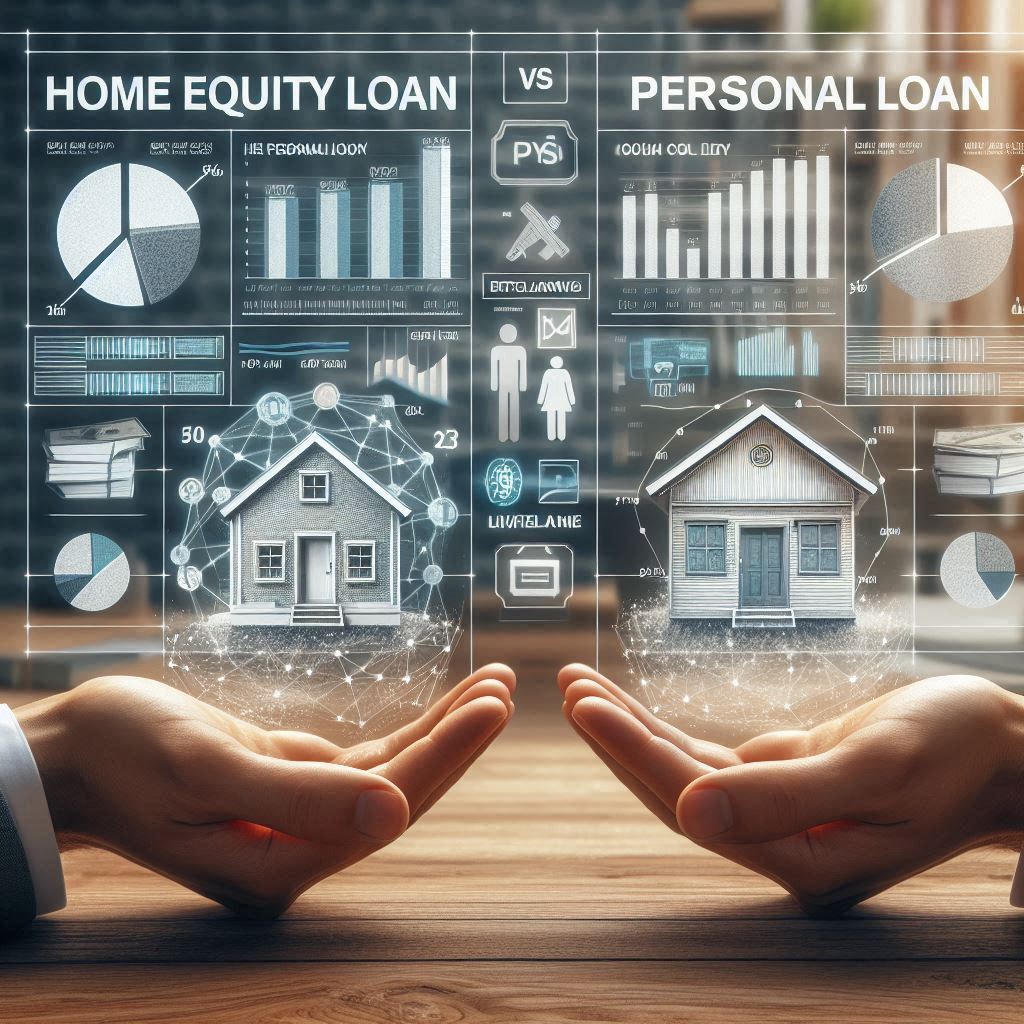
Home Equity Loan vs Personal Loan: Which Saves You More?

Ever wondered if tapping into your home’s value or grabbing a quick personal loan is the smarter, more cost-effective way to reach your financial goals? The debate between a home equity loan vs personal loan isn’t just about interest rates — it’s about risks, rewards, and what truly works best for your unique situation. In this guide, we break down real savings, show you practical examples, and highlight the critical differences so you can borrow money with complete confidence. Curious Which Option Prevails: Home Equity Loan vs Personal Loan? If you’re considering major home improvements, consolidating debt, or covering a significant expense, you’re likely asking: What’s the best financing option? A home equity loan allows you to borrow against the value of your home, offering a lump sum at typically lower interest rates but with your property as collateral. On the other hand, personal loans are unsecured, faster to obtain, and don’t require you to put your house on the line, but usually come with higher interest rates. Understanding the nuances between a home equity loan vs personal loan can help you make an informed decision tailored to your needs — and potentially save thousands in the process. Challenging Assumptions about Equity Loan and Personal Loan Choices Many assume home equity loans are always cheaper, or that personal loans are only for small amounts. In reality, each loan type shines in different scenarios. Your best choice depends on the amount you need, how quickly you want to pay it back, your credit score, and how comfortable you are with risk. By questioning basic assumptions and digging deeper into pros and cons, you’ll be better equipped to choose the best financing option for your life today — and tomorrow. You will discover how a home equity loan vs personal loan compare for different goals Understand their pros and cons Identify their key differences Learn how to select the right financing option for your needs Comparison Chart: Home Equity Loan vs Personal Loan vs Credit Cards Loan Type Typical Interest Rates Requirements Repayment Terms Home Equity Loan 7%–11% (Fixed) Home ownership & sufficient equity, good credit score, appraisal 5–30 years fixed monthly payments Personal Loan 9%–25% (Fixed) Good credit score, proof of income, minimal documentation 1–7 years fixed monthly payments Credit Cards 18%–30% (Variable) Fair credit score, minimal requirements Revolving, minimum payments Exploring Home Equity Loan vs Personal Loan: Defining the Basics What is a Home Equity Loan? A home equity loan is a type of secured loan that lets you borrow money by using the equity in your home as collateral. Equity is the difference between your home’s market value and the outstanding balance on your mortgage. Home equity loans provide a lump sum payment upfront, which you pay back in fixed monthly payments over a set term (often 5–30 years). Since your house acts as security for the loan, lenders offer lower interest rates than most unsecured personal loans. However, if you default, you risk losing your home to foreclosure, making it crucial to borrow responsibly. This type of financing is best for big expenses like home improvements , tuition, debt consolidation, or major purchases where you need a large amount of money and want predictable payments. Because home equity loans use your property as security, approval can require a home appraisal and take several weeks, especially if you have significant closing costs and paperwork involved. What is a Personal Loan? A personal loan is generally an unsecured loan, meaning you don’t need to offer collateral such as a car or home to qualify. These loans are based on your credit score, income, and overall financial situation. Personal loans come in various amounts, usually from a few thousand up to $50,000, with repayment terms ranging from 1 to 7 years. Approval is typically quick — sometimes in as little as one day — which can make personal loans ideal for emergencies, consolidating credit card debt, or funding major expenses when speed is crucial. Because there’s no security involved, personal loans have higher interest rates than home equity products, especially if your credit profile isn’t strong. However, you won’t risk your house if you miss a payment, and the process involves less paperwork and fewer upfront costs. Personal loans are a flexible way to access funds, but they may not be ideal for the largest projects or purchases due to shorter repayment terms and higher monthly payments. Understanding Equity Lines, Home Equity Lines, and Credit Card Alternatives A home equity line of credit (HELOC) is a type of revolving credit, different from a traditional home equity loan. With a HELOC, you borrow as needed (up to a set limit) and pay interest only on the amount used. This makes it a great option for ongoing home improvements or expenses that arrive over time. The flexibility is similar to credit cards , but with much lower interest rates and, again, your home as collateral. Alternatively, credit cards offer instant, unsecured access to funds, but their interest rates can be steep (often 18%–30%) and they’re best reserved for short-term needs. For larger goals, a mix of loans and lines — equity line, home equity loans, or personal loans — could help you avoid hefty credit card balances and minimize total interest paid. Core Differences Between Home Equity Loan vs Personal Loan Collateral: Secured vs Unsecured Debt The distinction between a home equity loan and a personal loan starts with collateral. Home equity loans are secured loans — your house backs up your promise to pay. This security lets lenders offer lower interest rates but puts your home at direct risk if you default. On the other hand, personal loans don’t require collateral, so you don’t risk losing property. However, they come with higher interest rates to offset the greater risk lenders take on. If you don’t pay a personal loan, your credit score suffers, but your house remains safe. When weighing your financing options, remember: the more risk the lender shoulders, the more you’ll likely pay in interest. But how much personal risk are you willing to accept for a lower rate? Loan Terms and Repayment Schedules Home equity loans usually come with longer repayment timeframes. Typical terms range from 5 up to 30 years, making monthly payments lower and easier to manage on a big loan amount . Personal loans tend to have shorter terms, generally from 1 to 7 years, so monthly payments are higher, even for smaller amounts. The repayment schedule for a home equity loan is simple and predictable — you pay the same amount every month until the loan is gone. Personal loans have fewer years to pay, but offer flexibility: you can use them for almost any need, sometimes with no penalties for paying them off early. Take the time to consider your budget, as the wrong repayment term can stretch you thin or cost more in total interest over time. Interest Rates and Total Cost Comparisons Interest rates are often the biggest deciding factor in the home equity loan vs personal loan debate. Home equity loans typically offer lower fixed rates, especially for borrowers with strong credit scores and lots of equity. Personal loans usually have higher rates due to their unsecured nature, and the difference can significantly impact your total interest paid over the life of the loan. For example, a $30,000 home equity loan at 8% might cost less per month, and over time, than a personal loan of the same amount at 14%. However, don’t forget to consider upfront costs like origination fees or closing costs, which are often steeper on home equity products. When you’re comparing offers, always look at the APR, not just the interest rate, to see your true annual cost. Impact on Credit Scores and Eligibility Criteria Both home equity loans and personal loans review your credit score heavily in the approval process. For a home equity loan, lenders want solid credit (usually 620+) plus enough home value and low current mortgage balances. The application can be paperwork-heavy, as your house needs an appraisal and possible title search. For a personal loan, requirements are looser: income, basic identification, and a fair credit score (often 580+) can get you started, but lower scores mean higher rates. Both options create hard inquiries on your credit report, but home equity loans, due to the size and secured nature, may affect your overall credit profile more. Missing payments on any loan lowers your score, but the risk isn’t the same — missed home equity loan payments could put your home in jeopardy, while unpaid personal loans affect only your credit rating. “Choosing between a home equity loan vs personal loan could save you thousands—if you know what to look for.” — Financial Expert Home Equity Loan vs Personal Loan: Pros, Cons, and Use Cases Advantages and Disadvantages of Home Equity Loans Home equity loans have some serious perks. The big one? Lower interest rates compared to most personal loans and credit cards. They’re ideal when you’re borrowing a large amount for purposes like major home improvements or consolidating high-interest debt. Because the payments and rate are fixed, your budget gets predictability for years. Loan amounts can be higher, as they’re tied to your equity. But there’s a catch: you’re betting your home as collateral. Miss a bunch of payments, and the bank could foreclose. There are also higher upfront costs (appraisals, closing costs), and the process is slower than a personal loan. This kind of loan is best when you’re confident you can repay and need a larger sum for a planned project. Advantages and Disadvantages of Personal Loans Personal loans are all about speed and flexibility. There’s no waiting around for appraisals, and you won’t risk losing your home. Approval can be lightning-fast — sometimes the same day — making them perfect for urgent needs or contractors who want rapid access to cash. Their uses are broad: from medical bills to consolidating credit card debt or covering home improvements . The drawbacks? Higher interest rates, particularly for lower credit scores, can mean you pay more over time. Loan amounts are typically lower compared to home equity products, and the repayment window is shorter (which bumps up the monthly payment). That said, if you need money quickly and don’t want to tie up your house, a personal loan is hard to beat. Comparing Equity Loan, Home Equity, and Credit Card Financing Options for Home Improvements For home improvements , each loan shines in different areas. Home equity loans are the gold standard for building additions or renovations, thanks to large loan amounts, lower rates, and long terms. Personal loans are best for smaller upgrades (like replacing appliances or flooring) or when speed beats savings. Credit cards can work for minor projects you can repay right away, but carrying a balance racks up major interest. Weigh all options, factoring in how soon you need funds, your risk tolerance, and how much you want to repay monthly. When to Use a Home Equity Loan vs Personal Loan Ideal Situations for Home Improvements, Major Purchases, or Debt Consolidation Choose a home equity loan for high-cost projects: home remodels, debt consolidation above $30,000, or big-ticket purchases where a fixed, predictable repayment fits your long-term financial situation. With low interest rates and longer repayment terms, this option makes sense when you’re stable in your home and can wait a bit longer for funding. Opt for a personal loan if you’re consolidating smaller debts, need emergency funds, or are making modest renovations. The process is quick, the risks are low (no collateral), and you’ll have the cash in days rather than weeks. Personal loans are powerful tools for short-term needs — just be sure your monthly budget can handle the higher payment. Evaluating Risk and Convenience in Equity Loans and Personal Loan Solutions Risk is straightforward: with a home equity loan, your home as collateral is on the line. If you know you can pay but want to lock in a lower rate, equity loans win. Personal loans offer peace of mind since there’s no threat of foreclosure — but higher interest rates could cost more over time if you’re not careful. For fast, easy access with minimal paperwork, personal loans and even credit cards offer instant convenience, though at a price. Ultimately, matching loan type to your comfort with risk and timeline will ensure you choose the right financing option every time. Comparing Financing Options: Home Equity Loan, Line of Credit, and Personal Loan Consider all your choices. A home equity loan is best for large, single expenses or when you’ve mapped out the full cost of a renovation. A home equity line of credit (HELOC) is flexible for ongoing expenses, acting more like a credit card linked to your home’s value. Personal loans give you speed and flexibility but are better for smaller amounts and shorter terms. A mix of products — like using a personal loan for urgent repairs, then a HELOC for phased projects — could help you maximize savings and reduce risk. How Much Can You Save? Home Equity Loan vs Personal Loan Scenarios Example #1: Home Improvements Funded with Home Equity Loan Say you want to remodel your kitchen and need $80,000. With a home equity loan at a 7.5% interest rate over 20 years, your monthly payment would be about $645. Over the life of the loan, you’d pay roughly $74,800 in total interest. Compared to a personal loan at 14% (where monthly payments would be about $997 and total interest over 10 years ~$39,600), the home equity option is more affordable, thanks to lower rates and longer terms, despite more interest overall due to the timeline. Example #2: Debt Consolidation Using Personal Loans Suppose you have $12,000 in credit card debt at 22% APR. Transferring the balance to a personal loan at 10% over 3 years, your payment is $387 monthly, total interest roughly $1,930. Compare this to using a home equity loan at 8% over 10 years: payment drops to $146 monthly, but total interest balloons to $5,511. If you want to pay off debt quickly, a personal loan could save on interest — but it depends on your preferred timeline and comfort with monthly outlays. Equity Loan Repayment vs Personal Loan: How the Numbers Compare Imagine borrowing $100,000 for a major remodel. At 8% APR for 20 years (home equity loan), monthly payments are about $836, with total interest paid nearly $100,600. A personal loan for the same amount at 14% over 7 years comes with a monthly payment of $1,836 and a total interest cost of $54,288. Though the personal loan pays off faster, the monthly obligation can be overwhelming. The right choice balances total interest paid with what your monthly budget can realistically handle. Monthly Payment Calculations: $100,000 Home Equity Loan vs $5,000 Personal Loan Loan Type Loan Amount Interest Rate Repayment Term Monthly Payment Total Interest Paid Home Equity Loan $100,000 8% (Fixed) 20 years $836 $100,600 Personal Loan $5,000 14% (Fixed) 3 years $171 $1,167 Home Equity Loan vs Personal Loan: Costs, Fees, and Repayment Structures Upfront Costs, Interest, and Typical Fees Most home equity loans have closing costs, which can run 2–5% of the loan amount. This pays for appraisals, title checks, and legal fees. You’ll also find origination fees, sometimes mirrored in personal loans but at a lower cost (often 1%–3%). Some personal loans charge prepayment or administration fees, but these are usually smaller than home equity loan fees. Compare all costs before deciding — a lower interest rate may be offset by higher upfront expenses. Home Equity Loan Repayment Schedules vs Personal Loan Terms Fixed monthly payments are standard with both home equity loans and personal loans . The big difference is in the timeline. Home equity loans are designed for stretched-out repayment, sometimes up to 30 years. Personal loans offer quicker payoff, usually 1 to 7 years, which means a higher monthly payment but less total interest if you’re disciplined. If you can afford acute monthly bumps, choose the shorter term and pay less overall. Total Interest Paid: What Makes Each Financing Option Stand Out? Over time, the amount of interest you pay can wildly differ. Home equity loans stand out by offering abundant funds at lower overall costs on a per-year basis, ideal for long-term investments like a home addition or major repairs. Personal loans, if aggressively paid off, can result in less interest simply by being active for a shorter period, especially for smaller loan amounts . Always weigh initial costs, total interest, and monthly impact together for the best long-term result. Risks and Major Disadvantages: Home Equity Loan vs Personal Loan Loss of Home Risk with Equity Loans The most serious drawback of equity borrowing? Loss of your home if you can’t pay. Since home equity loans are secured by your house, defaulting can mean foreclosure. This is a risk not associated with personal loans, making them the safer choice for borrowers who have any concern about stable income or payment security. Use home equity products only when your income is steady and your plans are certain. Comparing Default Consequences of Home Equity Loans and Personal Loans Defaulting on a home equity loan can hurt far more than your credit score — you could lose your home. Personal loan defaults still damage your credit, may result in collections, and make future borrowing more difficult, but you won’t face eviction. Consider your risk tolerance and financial backups when deciding which financing option is right for you. How Interest Rate Hikes Affect Home Equity and Personal Loans Banks and lenders can adjust interest rates in response to economic trends. If you have a fixed-rate loan, you’re protected from increases. Adjustable rate home equity products or variable-rate personal loans can see payments rise unexpectedly, squeezing your budget. Fixed-rate options, though sometimes a little higher initially, deliver peace of mind, especially in uncertain markets. “A home equity loan uses your house as collateral, so defaulting could mean foreclosure.” Application Process for a Home Equity Loan vs Personal Loan Typical Approval Requirements for Home Equity Loans To obtain a home equity loan , you’ll need to show strong home equity, a good credit score (typically 620 or higher), proof of income, and a manageable debt-to-income ratio. The process includes a home appraisal, bank paperwork, and closing. From application to funding can take 2–6 weeks. The extra steps secure lower rates, but take more time than a typical personal loan. Personal Loan Documentation and Approval Times Getting a personal loan is far simpler. Most lenders require a fair-to-good credit score, recent pay stubs or tax documentation, and sometimes a bank account. Approval can occur in a day or two, with funds often appearing in your account just as quickly. This makes personal loans perfect for emergencies or tight timelines. Be cautious: instant approval can mean high rates without careful review. Time to Funding: Equity Loan, Home Equity, and Personal Loan Processing While personal loans can disburse cash in a day or two, home equity loans take several weeks due to the paperwork and appraisal involved. A home equity line of credit (HELOC) has similar timelines to a home equity loan, but may be slightly speedier if your home was recently valued. Always factor the timeline into your decision, especially if you need funds quickly for surprise repairs or urgent needs. Alternatives to Home Equity Loan vs Personal Loan Lines of Credit, Home Equity Line, and Credit Card Options If a home equity loan vs personal loan doesn’t fit, there are other ways to access funds. Lines of credit are revolving accounts you can draw from as needed, paying interest only on what you use. A home equity line of credit (HELOC) works like a secured, low-rate credit card with your house as collateral. Conversely, credit cards are easy to access for minor expenses, but long-term borrowing is expensive due to much higher interest rates. How Credit Cards and Equity Lines Compare for Home Improvements For a new deck or bathroom, a home equity line offers flexibility and a lower rate, but your house is still on the line. Credit cards are best for small, quickly repaid purchases. For anything over $5,000 that you plan to pay off over months or years, consider tapping your equity or a personal loan before using a plastic card. Niche Financing Options: Peer-to-Peer Lending, HELOCs, and Credit Unions Don’t overlook peer-to-peer lending platforms or your local credit union . Credit unions may offer lower rates or better terms than banks for both home equity and personal loans. Peer-to-peer websites connect you directly to investors and can approve loans quickly, sometimes with lower credit score requirements than traditional lenders. Each has unique terms and qualifications — compare carefully with your goals in mind. Selecting the Right Financing Option: Home Equity Loan vs Personal Loan Checklist Interest Rate: Lower rates save you money; compare APRs on all offers Repayment Length: Shorter terms mean less interest paid, but higher monthly payments Equity Available: More home equity opens the door to bigger, lower-cost loans Risk Tolerance: Are you okay risking your property, or is unsecured debt safer for your situation? Checklist: How to decide between Home Equity Loan, Personal Loan, or Equity Line : Need a large amount for long-term use? Choose a home equity loan Need funds fast for a smaller, short-term project? Opt for a personal loan Ongoing expenses with uncertain final cost? Consider a home equity line (HELOC) Low-risk comfort zone? Stick to unsecured personal loans Evaluate your current budget and job stability before choosing Answers About Home Equity Loan vs Personal Loan Which is better, a personal loan or a home equity loan? It depends on your financial needs and tolerance for risk. A home equity loan often provides lower interest rates and larger sums but uses your home as collateral. A personal loan is quicker, unsecured, and safer if you fear difficulty in repayment, but interest rates are higher. Consider your goals, repayment ability, and comfort with using your home as security. Personal Loan vs Home Equity Loan: Benefits and Drawbacks for Different Needs Home equity loans are ideal for large-scale investments or debt consolidation requiring significant funds. They offer stable payments and lower rates but higher upfront costs and risk of foreclosure. Personal loans are better for emergency needs or smaller projects, offering quick funding and less risk, but usually at a higher cost. The right choice depends on your project, risk profile, and financial outlook. How much a month is a $100,000 home equity loan? At an average interest rate of 8% over 20 years, a $100,000 home equity loan yields a monthly payment of around $836. Adjusting the term or rate can significantly shift this figure. Make sure to factor in taxes, insurance, and possible fees for your total monthly payment. Cost Calculation: $100,000 Home Equity Loan Monthly Payment Based on Interest Rates For a $100,000 home equity loan: at 8% APR over 20 years, monthly payment is $836; at 6% APR, it's $716; at 10% APR, $965. The longer the term or the lower the rate, the smaller your monthly cost, but the more you pay in interest over time. What is the major disadvantage of a home equity loan? The main risk is losing your home if you default. Since your house backs the loan, missing payments can lead to foreclosure. There are also higher upfront costs and a slower application process compared to personal loans. Assessing Risk: Foreclosure and Other Home Equity Loan Disadvantages Beyond foreclosure, other drawbacks include increased debt burden, possible negative equity if property values drop, and closing costs. Always compare total expenses and risks before moving forward with an equity loan. How much would a $5000 personal loan cost a month? A $5,000 personal loan at 14% interest over three years equals about $171 per month. Shorter terms raise payments but lower total interest, while longer terms reduce payments but increase interest paid. Real-World Example: $5,000 Personal Loan Monthly Payment and Repayment Comparison Borrowing $5,000 at 14% APR for three years: your monthly payment is approximately $171, and you pay just over $1,167 in interest across the life of the loan. Opting for a shorter term saves interest, but increases monthly cost. Frequently Asked Questions About Home Equity Loan vs Personal Loan What credit score is required for a home equity loan? Most lenders look for a minimum credit score of 620, but the best rates typically go to those above 700. Can I use a personal loan for a home improvement project? Absolutely. Personal loans are a popular choice for small to mid-size home improvements. How quickly can I receive funds from a personal loan vs an equity loan? Personal loans can fund within a few days. Home equity loans can take 2–6 weeks from application to funding due to appraisals and paperwork. Are there tax benefits with home equity loans compared to personal loans? Interest on home equity loans used for home improvements may be tax-deductible, while personal loan interest is not. Check with a tax advisor for your specific situation. Key Insights and Takeaways on Home Equity Loan vs Personal Loan Choosing between a home equity loan and a personal loan depends on your financial profile, credit score, equity available, and intended use. Each financing option has unique benefits and risks, so careful comparison is essential to maximize savings. Need Help Deciding on Home Equity Loan vs Personal Loan? Seek Expert Guidance Now Want to ensure you choose wisely? Speak with a financial advisor or lending expert before committing to a loan. A pro can review your credit score, equity, and goals to recommend the best funding solution for your needs — maximizing savings and minimizing risk.


Is Your New Home Foundation Settling? 

Cracking Up? Is Your New Home Foundation Settling? (Don't Panic!)Has your new dream home started making mysterious noises in the night? Before you convince yourself that your house is haunted, let's talk about something far less spooky but equally mysterious to many homeowners: foundation settling. While it might sound alarming (especially at 3 AM when you hear that distinctive crack!), foundation settling is often as natural as your house getting comfortable in its new neighborhood.The following is information we have learned over many years in the real estate business and from qualified contractors who build homes and foundation repair specialists.What is Foundation Settling, Anyway?Think of foundation settling like your house finding its perfect spot on the couch – except instead of cushions, it's settling into the soil beneath it. When builders construct a new home, they disturb the natural soil composition. Once construction is complete, that soil gradually compacts and adjusts to the weight of your new home, causing what we call "settling."The Good, The Bad, and The CrumblyNormal Signs of SettlementSlight hairline cracks in walls or ceilings (usually appearing in the first year)Minor sticking doors or windows (especially during seasonal changes)Small gaps between walls and trimOccasional creaking or popping sounds (your house's version of joint cracking) Red Flags That Warrant AttentionCracks wider than 1/4 inchDoors and windows that suddenly won't close properlyUneven or sloping floorsCracks in the foundation itselfWater pooling around your foundationThat one drawer that used to hold all your takeout menus now won't stay closed (okay, that might be unrelated)Why Does My New House Need to "Settle"?Your new home isn't being difficult – it's just physics! Several factors contribute to foundation settling:Soil Composition: Different soil types compact differently under weightWeather Conditions: Seasonal changes affect soil moisture levelsConstruction Practices: How the site was prepared impacts settlingTime: Rome wasn't built in a day, and it certainly didn't settle in one either Prevention and Maintenance TipsKeep your foundation happy and healthy with these simple steps:Maintain consistent soil moisture around your foundationEnsure proper drainage away from your homeRegular gutter maintenance (less exciting than Netflix, but more important)Monitor any cracks or changes in your home's structureAddress any issues promptly (procrastination is not your friend here)When to Call the ProsWhile some settling is normal, knowing when to call in reinforcements is crucial. If you notice any of the red flags mentioned above, it's time to contact a foundation specialist. Think of them as your house's therapist – they'll help your home work through its "settling" issues. Frequently Asked QuestionsHow much settling is normal in a new house?Most new homes experience 1-3 inches of settlement during their first few years. Small hairline cracks and minor door/window adjustments are typically normal and expected.How long does it take for new foundation to settle?The majority of settling occurs within the first 2-3 years after construction, though minor settling can continue for up to 5 years depending on soil conditions and climate.When should I be worried about foundation settling?Be concerned if you notice cracks wider than 1/4 inch, significant floor unevenness, doors/windows that won't close properly, or visible foundation cracks. These signs warrant professional inspection.What is an acceptable settlement for a foundation?Up to 1 inch of uniform settlement is generally considered acceptable. Differential settlement (where parts settle unevenly) should not exceed 3/4 inch.How long does it take to fully settle into a new home?Most homes complete the majority of their settling within 2-3 years, though some settling can continue for up to 5 years in certain conditions. Is house settling covered by insurance?Standard homeowner's insurance typically doesn't cover normal settling. However, if settling causes sudden, accidental damage, that damage might be covered. Check your policy for specific details. Or talk to your insurance agent.Can new homes have foundation issues?Yes, even new homes can experience foundation problems due to poor soil preparation, inadequate drainage, or construction issues. That's why inspections during and after construction are crucial.How much does it cost to fix foundation settling?Minor repairs might cost $500-$3,000, while major foundation repairs can range from $5,000 to $35,000 or more, depending on the extent of the damage and required solutions.What's the difference between settling and foundation issues?Normal settling involves minor, gradual changes as your home adjusts to its weight and soil conditions. Foundation issues involve structural problems that can worsen over time and typically require professional intervention.

Terms of Service

Privacy Policy

Core Modal Title

Sorry, no results found

You Might Find These Articles Interesting

T
Please Check Your Email
We Will Be Following Up Shortly
*
*
*