
Breezy Raleigh
update


​​​​​​​BreezyRaleigh.com

update
  • Homepage
  • Subscribe
  • Arts, Culture & History
  • Food & Drink Scene
  • Business Spotlight
  • All Posts
  • First-time Homeowners
  • Buying or Selling a Home
  • Practical Living & Relocation
  • Home Upgrades & Repairs
  • Things To See & Do
  • Home Design & Decoration
  • Real Estate Investing
  • Holidays
  • Arts, Culture & History
  • Food & Drink Scene
  • Business Spotlight
8 Minutes Read

Navigate the Real Estate Market: Master Common Real Estate Terminology


Real Estate Terminology


  Real estate can be an intimidating field to venture into, especially when you don't understand the terminology. Knowing the correct terms and phrases can make a dramatic difference in your understanding of real estate. Whether you are looking to buy or sell a property, it is important to familiarize yourself with some of the most common real estate terminology that you may encounter. This article will provide a comprehensive overview of key terms, making it easier for you to navigate the world of real estate.

What is a Binder in Real Estate?

A Binder is an important tool in the real estate industry. It is a physical document that contains all the pertinent information about a property, such as the address, zoning, and property description. A binder can also include pictures and floor plans of the property. Basically, a binder is everything you need to complete a real estate transaction.

What is an Injunction in Real Estate?

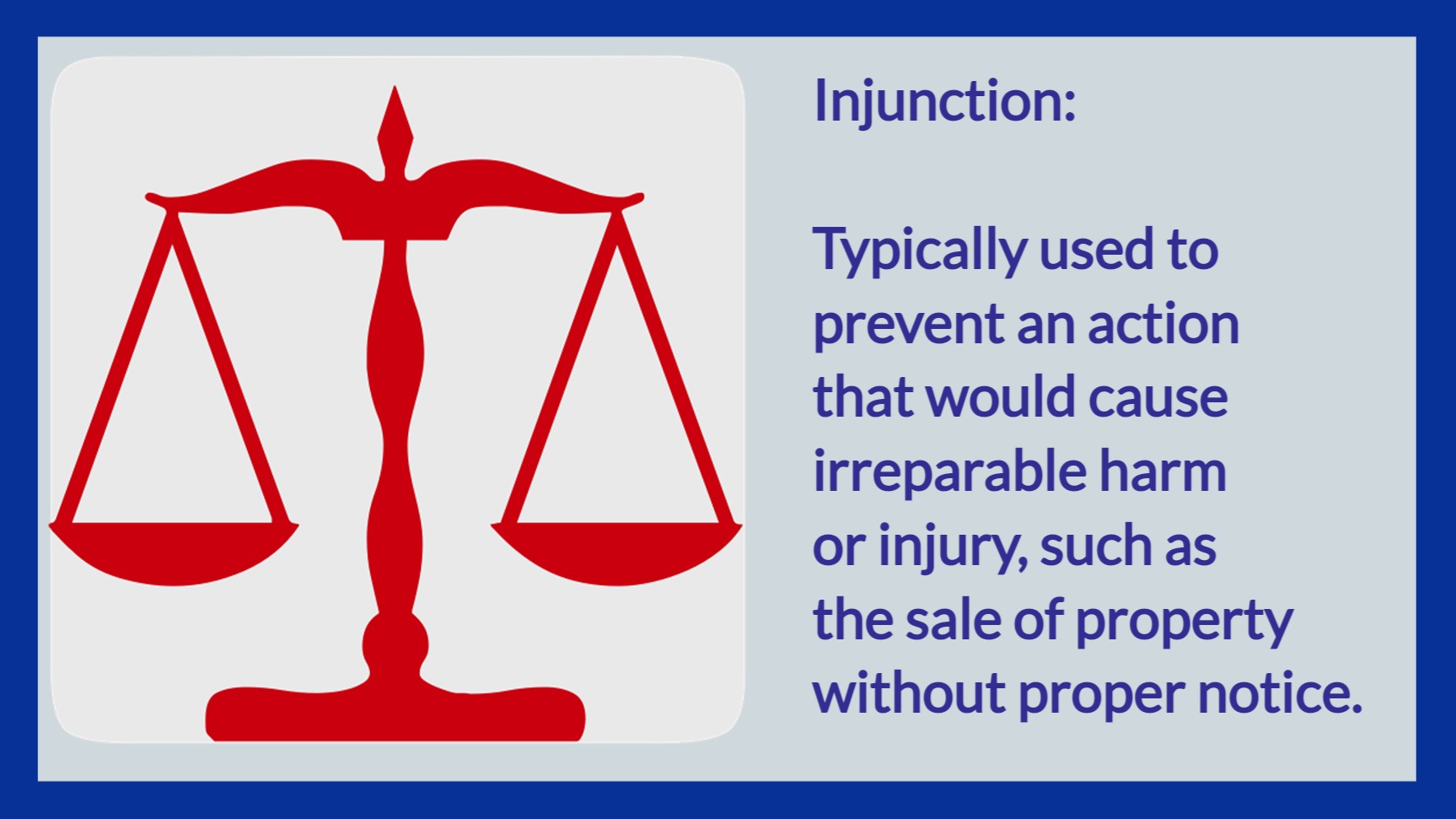
An injunction is a court order that prohibits someone from doing something. Injunction in real estate is a term used to describe a court order that prevents someone from selling or renting property.


Injunction or court order

An injunction is a legal order that can be used to prevent someone from doing something. For example, it can be used to prevent someone from taking your property. This is done by filing a lawsuit and requesting that the court issue an order preventing the other party from violating your property rights.


What is Misrepresentation in Real Estate?

Misrepresentation occurs when one party in a real estate transaction makes false statements about the condition of the property or the seller's intentions. For example, if you go see a property and it does not meet your expectations, you may have grounds to file a lawsuit for misrepresentation. This could result in monetary damages for you, as well as causing damage to your reputation.

There are several ways that misrepresentation can occur: by making false statements about the condition of the property, by giving false information about financing options available, or by lying about personal information about the seller. 

If you're thinking about buying or selling a home, it's important to be aware of any misrepresentations made by either party involved in your transaction. If you have suspicion that someone has made a misrepresentation on your behalf, you should speak with a qualified real estate lawyer immediately.

What Does Contingent Mean in Real Estate?

A contingent purchase refers to a purchase agreement where the buyer has the right to buy the property but does not have to pay until certain conditions are met. For example, if you put down a 10% deposit and agree to buy the property at $200,000 if it qualifies for flood insurance, then you are making a contingent purchase. You will only have to pay the remaining 90% once the flood insurance policy says that the home is safe to live in. 


what does contingent mean

A contingency is something that isn't part of the basic terms and conditions of a real estate contract but is instead agreed upon between the parties involved in the sale. Another example is if you're buying a home and the seller doesn't want to sell until they get their mortgage approved, the deal might be considered contingent.


If you're selling a home and require financing but don't have a buyer lined up yet, your contract might also be considered contingent. This could include things like contingencies relating to zoning changes or inspections, money owed by either party if something goes wrong during closing, or penalties assessed if negotiations fall apart before closing.

What Does Pending Mean in Real Estate?

A pending sale refers to a sale that has not yet been finalized due to some sort of complication. It has not yet been officially executed by both parties. For example, if you put down an offer on a house and there's been some sort of mistake with paperwork (like misspelled names), then the sale would be pending until those documents are corrected. The seller could still sell the property to someone else, but it would be listed as being pending until the paperwork is finalized.

What is Effective Age in Real Estate?


Effective age is a term used to describe how old a property actually is. Older properties tend to command higher prices and may be more likely to have repairs or updates that need to be made. By knowing your effective age, you can make informed decisions about which properties are right for you and your wallet.

effective age in real estate

What is a Net Listing in Real Estate?  


 A net listing is a real estate term that refers to a property being advertised for sale without having been inspected or staged. This allows potential buyers to view the property in its "as is" condition, which can give them a better idea of what they are buying.


What Does Active Option Contract in Real Estate Mean?

An active option contract in real estate is a type of contract that allows a property owner to sell their property before it's actually listed for sale. This type of contract gives the property owner the power to decide when and how they want to sell their property, which can be advantageous if they don't want their home to be on the market for an extended period of time. 

The advantage to using an active option contract is that it allows the property owner to control when and how much money they make from their sale. If they choose not to list the property for sale, they can keep it hidden from potential buyers until they're ready to put it up for sale. 

Another advantage of using an active option contract is that it can help sellers avoid bidding wars by giving them more control over when and how much money they're willing to offer for their home. By setting a price and deadline, sellers can ensure that there are no surprises during negotiations with buyers.


A disadvantage to using an active option contract is that it can be more complicated than other types of contracts. It's important to have a solid understanding of the terms and conditions of the contract in order to avoid any potential misunderstandings. 

Title Commitment in Real Estate

What is a Title Commitment in Real Estate?


A Title Commitment is a legal document that binds two or more parties to an agreement, usually pertaining to the purchase or sale of real estate. The document typically includes details about the property being purchased or sold, such as the price, time frame, and other conditions. If any of these conditions are not met by either party by the agreed-upon date, then that party can legally pursue remedies such as legal action or arbitration.

What is a Contract of Sale in Real Estate?

A Contract of Sale is a legal document that is typically used when someone wants to sell property. The document outlines the terms and conditions of the sale, such as the price, who will be purchasing the property, and any other details. It's also important to note that a contract of sale is not always required to complete a sale – in some cases, it can simply be an agreement between the buyer and seller.

What is Actual Notice in Real Estate?

Actual notice is a term used in real estate law that refers to the amount of time you have to give your tenant or buyer notice before they can be evicted. The amount of time you have to give them varies depending on the type of tenancy and the state you live in. In most cases, you must provide your tenant with at least 30 days' actual notice before they can be kicked out.

what is an injunction in real estate

What is an Injunction in Real Estate?


An example of an injunction is a court ruling that commands someone to cease doing a particular thing. In real estate, this term is often used when one party (the petitioner) wants another party (the respondent) to stop doing something (usually renting or selling property). 

An injunction can be temporary or permanent, and it can be issued by the trial court, the appellate court, or the Supreme Court.


What Causes a Mortgage Foreclosure?

A mortgage foreclosure is the process of a lender taking legal action to evict a homeowner from their home because the homeowner has not made a payment on their mortgage. 

What Causes a Mortgage Foreclosure

There are several reasons why a homeowner might not be able to make a payment on their mortgage. If they are behind in their payments, the lender may put them into foreclosure to collect the money that they owe. If the homeowner has lost their job, they may be unable to afford their home and have no choice but to go into foreclosure. 


Mortgage foreclosures can cause huge problems for homeowners and their families. Not only do they have to deal with the fact that they're losing their home, but often times they have to pay off all of the debt that was associated with it, which can be quite expensive.


What is an Appurtenance in Real Estate?

An appurtenance is a feature or accessory that is attached to a real estate property. This could be something as simple as a flagpole on a property that is meant to indicate ownership, or as complex as an underground water system. Appurtenances can also be more decorative, like porches or balconies.


Close on a house with ease

How to Close on Your Property with Ease!


If you're ready to buy or sell a property, you'll want to know how to close on it with ease. Here are a few tips:

 1. Get pre-approved for a loan. 

Before you go ahead and make an offer on a property, be sure to secure pre-approval from your lender. This will help speed up the process of getting funding and will ensure that you're not turned down for a loan because of an inadequate down payment or poor credit score.  

2. Know your mortgage terms. 

You'll need to know the interest rate, the terms of your loan, and whether there's any prepayment penalties in place. If you're buying a property, be sure to ask about any restrictions on using your home as collateral - this could affect your ability to get financing.

3. Have funds available when making an offer. 

If you're offering more than the seller is asking for, make sure that you have enough money available in escrow (or another financial commitment) so that the seller can't back out at the last minute without penalty. Also be prepared to provide additional documentation if requested - this could include tax returns or building permits from the property's previous owner.

4. Know your rights as a buyer. 

As a buyer, you have the right to inspect the property and make copies of any documents you find suspicious. If you're interested in purchasing a property but the seller wants more money than you're willing to pay, be prepared to hold off until they come down to your price point - sometimes this can require some negotiation skills on your part!

5. Don't be afraid to ask for help. 

If you need information about buying or selling a property, don't hesitate to reach out to a real estate agent at Breezy Raleigh or other professionals in the field. They're likely to be more than happy to help you out!  

Click Here To Call Breezy Real Estate Now


First-time Homeowners Real Estate Investing
Related Posts All Posts

Discover Why Raleigh Real Estate 2026 Will Surprise You

Imagine investing in Raleigh real estate before the boom everyone talks about. Knowing the market’s unseen potential today gives you confidence and peace of mind. Raleigh’s 2026 real estate surprises are not just trends—they’re opportunities waiting for those ready to embrace them now.The Hidden Opportunities in Raleigh Real Estate 2026“Raleigh’s real estate 2026 market is about more than numbers—it’s about the stories unfolding in every neighborhood.”Raleigh real estate 2026 isn’t just about home price charts or list price graphs that dominate the headlines. Instead, beneath the surface, we find hidden opportunities—new neighborhoods emerging, family-driven demand, and smart agents guiding both seasoned investors and first-time buyers toward affordable homes in Raleigh that others might miss.Home sale activity shows areas with steady appreciation and pockets where bargains still exist amid higher interest rates. What makes Raleigh especially compelling is its resilience and adaptability, as buyers and sellers tune into subtle shifts that keep this estate market fresh and dynamic.From North Carolina real estate insiders to local triangle mls agents and curious out-of-state families, those looking to invest or upgrade are watching Raleigh closely. Whether it’s pending sales in new developments, or classic family neighborhoods where homes rarely hit the market, Raleigh’s real estate market is teeming with exciting opportunities. Those who listen closely to local trends, pay attention to price per square foot, and leverage the expertise of realty partners are in the best position to thrive in 2026.For buyers especially interested in maximizing value, understanding how location impacts long-term satisfaction is key. If you’re weighing the pros and cons of different neighborhoods, you might find it helpful to explore the unique advantages of buying a house near a school, which can influence both lifestyle and future resale potential in Raleigh’s evolving market.Why Raleigh Real Estate 2026 Will Defy ExpectationsThe Raleigh estate market is set to surprise even the most seasoned real estate observers. Predictions point toward a strong year, but what’s most exciting are the unique factors reshaping Raleigh’s property landscape. While some may expect a cooling period after the recent nationwide housing frenzy, experts agree Raleigh’s home sale activity is charting a different course than many other North Carolina real estate regions.Fueled by continued population growth, robust job opportunities, and the persistent allure of affordable homes in Raleigh, the city is becoming a magnet for buyers and sellers ready to adjust to new realities. Beyond the usual metrics of list price or days on market, the 2026 landscape in Raleigh hints at untapped value in emerging neighborhoods, creative financing solutions, and a greater emphasis on lifestyle-driven moves. These trends are rewriting the narrative for home price progression and setting up pleasant surprises for anyone participating in the Raleigh real estate 2026 market.Real Estate Market Dynamics: What Makes 2026 Unique in North CarolinaShift in buyer demographicsEmerging neighborhoods gaining tractionRemote work fueling out-of-state movesWhat truly distinguishes the Raleigh real estate market in 2026 are shifts both demographic and structural. More millennials and Gen Z buyers are entering the scene, searching for affordable, move-in-ready homes near booming tech corridors. Legacy realty partners and established agents are observing increased transaction activity in once-overlooked neighborhoods, thanks to enhanced walkability, new amenities, and the post-pandemic ethos around flexible work and living spaces. This is attracting an inflow of buyers from across North Carolina, as well as out-of-state relocators leveraging remote work flexibility to make lifestyle upgrades.Neighborhoods that were “up and coming” just a few years ago are now the talk of the triangle mls circuit. Greater diversity in buyer options—from modern condos to sprawling family homes—means everyone from first-time buyers to seasoned investors finds something to fit their needs. These NC real estate market trends show how Raleigh’s property horizon in 2026 will look very different, with more mixed-use spaces, price stability in key areas, and surprising value in select zip codes.Analyzing Raleigh’s Real Estate Market: Past Performance and 2026 ForecastTo understand where Raleigh real estate 2026 is headed, it’s essential to analyze how the local estate market has evolved. Historic growth in home sale prices, competitive list price bidding wars, and robust pending sales data offer a foundation for forward-looking insights. According to market report summaries from triangle mls and leading realty partners, median sales price growth in key Raleigh neighborhoods has consistently outpaced many other North Carolina real estate regions.The difference heading into 2026 is a moderation of meteoric price jumps and greater stability. The market is expected to deliver sustained, healthy appreciation rather than steep surges. This signals a move toward greater predictability, giving both buyers and sellers peace of mind. Price per square foot is projected to trend upward, especially in amenity-rich communities, while pending sale indicators show continued high demand for well-maintained, move-in-ready homes across Raleigh.Raleigh Real Estate Market Stats: Past vs. 2026 ProjectionsMetric2021-2023 (Past Average)2026 (Projected)Median Home Price$405,000$465,000Price Per Sq Ft$215$255Pending Sales2,850/month3,175/monthDays on Market1822Percent of Original List Price Received98.2%97.5%Price Per Square Foot in Raleigh Real Estate 2026: Trends You Can’t IgnoreOne of the most watched metrics for Raleigh real estate 2026 is the price per square foot. This figure gives buyers, sellers, and investors an apples-to-apples comparison across all neighborhoods and housing types. Unlike list price comparisons, which can be skewed by home size or lot features, price per square foot quickly highlights value deals and hot zones. In 2026, expect to see steady increases, though some neighborhoods will offer hidden bargains while others command a premium due to amenities or location.Estate market analysts monitor price per square foot alongside other indicators, such as pending sales and days on market, to advise triangle mls clients where appreciation is most likely. As demand continues among remote professionals and new North Carolina residents, price per sq plays a key role in shaping how buyers evaluate homes in Raleigh, especially when balancing original list and move-in expectations with actual market performance.Comparing Price Per Sq in Raleigh vs. Other North Carolina Real Estate RegionsWhen comparing Raleigh’s price per square foot with nearby North Carolina real estate markets—think Durham, Charlotte, and even emerging Triad cities—the 2026 data consistently places Raleigh near the top, but for good reason. Homebuyers are willing to pay a little more per square foot to access better schools, thriving job markets, and a vibrant cultural scene. Yet, not all Raleigh neighborhoods are created equal.While luxury and ultra-modern areas push the boundaries with higher price per sq, more traditional neighborhoods and up-and-coming suburban enclaves offer relative affordability. This creates exceptional opportunity for first-time buyers and seasoned investors alike. Legacy realty partners consistently advise clients to watch both the headline average price per square foot and side-by-side neighborhood comparisons, because strategic choices can uncover surprising value in homes in Raleigh that may otherwise be overlooked.Pending Sales: What the 2026 Data Signals for Raleigh Real Estate"Pending sales in Raleigh are a pulse-check for real estate confidence in 2026."Pending sales are where Raleigh real estate 2026 tells its true story. According to recent triangle mls data, pending sales volume offers direct insight into buyer confidence, the pace of home transaction cycles, and the resilience of the estate market overall. When pending sale activity increases steadily—especially in key months—it’s an indication that the market remains competitive and buyers still see long-term value.Raleigh’s pending sales consistently run ahead of statewide North Carolina averages. Savvy realty partners and legacy realty agents interpret these stats not simply as raw numbers but as a sign that both speculative investors and genuine home seekers remain actively engaged. For sellers, high pending sales mean favorable conditions for quick deals, while buyers must be well-prepared to act swiftly if they want the best properties and prices.How Pending Sale Activity Forecasts Future Neighborhood HotspotsPending sale data is a window into future neighborhood stars, as clusters of fast-moving homes signal where price per square foot may spike next. Agents leveraging market report insights observe sudden jumps in pending sales as new amenities, parks, or schools open in Raleigh’s expanding suburbs. These areas often transition from “affordable homes in Raleigh” to in-demand enclaves, driving both home price appreciation and buyer competition.Real estate professionals often map triangle mls pending sales over time to forecast not only which neighborhoods will heat up, but also which will stabilize, offering more balanced conditions for buyers. As remote work and flexible location preferences continue, neighborhoods with mixed-use development, improved commutes, and green space access will likely see the sharpest gains in pending sales and price per square foot in 2026.Legacy Realty and Realty Partners: Influencers in the Raleigh Real Estate Market 2026Market innovations from Legacy Realty PartnersNeighborhood expertise driving future valueNo market report about Raleigh real estate 2026 would be complete without noting the influence of legacy realty partners and their innovative approaches. From digital property marketing to data-driven pricing models, these realty partners are setting new standards in the North Carolina real estate scene. Their grasp of local micro-markets, combined with access to real-time triangle mls updates, empowers buyers and sellers to seize new opportunities before the masses catch on.What’s truly impactful about legacy realty partners in Raleigh is their deep community roots—their agents know which blocks are rising, which need attention, and how to market homes for maximum price received. For buyers eager to secure affordable homes in Raleigh, and sellers aiming for a strong return over their original list price, working with these industry leaders offers a crucial edge as we head into 2026.What Sellers and Buyers Need to Know About Raleigh Real Estate 2026Success in Raleigh real estate 2026 will belong to those who study estate market trends, adapt quickly, and prioritize professional advice. Sellers should recognize that while upward home price momentum continues, buyers now have more options and access to better market intelligence (including price per square foot trends and pending sale volume). Thus, strategic pricing, superb home staging, and flexibility on buyer contingencies will define top-tier home sale outcomes.For buyers, understanding where the most pending sales occur, comparing price per sq in neighborhoods, and acting quickly on original list price deals in hot areas are all crucial. The competition will remain fierce in some pockets, but access to triangle mls data and guidance from legacy realty partners means buyers can compete with confidence, plan their moves efficiently, and choose from a wide spectrum of affordable homes in Raleigh across lifestyle and budget profiles.Best Practices for Navigating the Real Estate Market in 2026To navigate the Raleigh real estate market like a pro in 2026, it’s all about preparation and perspective. Buyers should get pre-qualified for financing before viewing properties, set realistic expectations informed by recent list price and price per square foot trends, and enlist a savvy realty partner who knows how to win bidding wars. Using digital tools to monitor market report updates and reviewing pending sales weekly will help you stay ahead of sudden changes in buyer demand or interest rates.Sellers should time their listings to maximize exposure during high-activity months, stage their homes for broad appeal, and stay flexible when negotiating with buyers. Tracking triangle mls data, especially days on market and percent of original list price received, gives sellers insight for smart pricing decisions.And above all, both buyers and sellers must remain open to creative deal structures—like rent-backs or extra closing flexibility—to ensure success in a competitive, ever-evolving Raleigh real estate market.People Also Ask: Are Housing Prices Expected to Drop in 2026?Raleigh Real Estate 2026: Market Insights on Housing Price TrendsMany prospective buyers and sellers want to know, “Are housing prices expected to drop in 2026?” The simple answer is: not likely in Raleigh! Although price growth will moderate compared to the post-pandemic surge, the city’s ongoing population growth, job creation, and desirability continue to underpin a healthy real estate marketWhile some North Carolina real estate regions may see a brief plateau, Raleigh stands out with sustained demand for both single-family homes and modern urban living spaces. Buyers can anticipate more options and less frenzied bidding, while sellers can expect to net a strong percent of original list price received—making the Raleigh estate market a win-win in 2026.People Also Ask: Is It Better to Buy a Home in 2025 or 2026?Expert Advice on Timing Your Raleigh Real Estate PurchaseWhether it’s better to buy in 2025 or 2026 depends on your personal timeline, favorite neighborhoods, and financial goals. However, market report data from triangle mls and input from legacy realty partners point toward a scenario where buyers who prepare early have the flexibility to pounce on new opportunities. With interest rates predicted to remain relatively stable and new inventory coming on the market, both 2025 and 2026 present favorable conditions, but acting while buyer options are broad is always wise.Early 2026 could offer new affordable homes in Raleigh as builders complete ongoing projects, while late 2025 saw less buyer competition as the traditional selling season wound down. Ultimately, the best timing is when you are ready, but by following price per square foot trends and pending sale metrics, buyers can make informed decisions—and avoid missing out on Raleigh’s next real estate surprise.FAQs About Raleigh Real Estate 2026What is the average price per square foot in Raleigh real estate 2026?The average price per square foot is projected to be around $255, though certain neighborhoods may run higher depending on amenities, new construction, and demand. Comparing neighborhood data remains key for buyers seeking affordability.Are pending sales in Raleigh indicating a seller’s or buyer’s market?High pending sales in Raleigh suggest continued strong demand favoring sellers, especially for well-staged, competitively priced homes. However, increased inventory in 2026 offers buyers more options, particularly in growing suburbs.What neighborhoods are projected to grow fastest?Emerging areas with new mixed-use developments and improved access to parks and schools—particularly in the northern and western suburbs—are forecast to see the fastest appreciation in home price and transaction activity.Key Takeaways: Raleigh Real Estate 2026 Will Surprise YouRaleigh real estate 2026 offers hidden potential for early movers.Market dynamics are being shaped by both local and national trends.Understanding price per sq and pending sale data is crucial for buyers and sellers.Start Planning Your Raleigh Real Estate 2026 Move Today!Whether you’re buying your first home in Raleigh or positioning yourself to sell at just the right time, the 2026 real estate market is bursting with opportunities for those prepared, curious, and ready to partner with Raleigh’s experts.The future of Raleigh real estate is full of possibilities—why not explore every angle to maximize your success?SourcesTriangle MLS – https://www.trianglemls.comLegacy Realty Partners – https://www.legacyrealtypartners.comCity of Raleigh – https://www.raleighnc.govNorth Carolina Realtors – https://www.ncrealtors.orgZillow Raleigh Home Values – https://www.zillow.com/raleigh-nc/home-values/Redfin Raleigh Market Data – https://www.redfin.com/city/15055/NC/Raleigh/housing-marketThe Raleigh real estate market in 2026 is poised for significant developments, offering both challenges and opportunities for buyers and investors. According to the National Association of Realtors, Raleigh is among the top housing markets expected to see new buyer opportunities in 2026, driven by strong income growth and an increasing population of highly educated young professionals. (cms.nar.realtor)However, prospective homeowners should be aware of rising costs. The North Carolina Department of Insurance has announced that base rates for homeowners’ insurance premiums will increase by about 15% by mid-2026, likely in two 7.5% incremental hikes. (apnews.com)Additionally, the Raleigh real estate market is expected to stabilize, with median home prices projected to remain around $425,000 as higher interest rates cool the frenzied bidding wars of the early 2020s. While homes in desirable locations may still receive multiple offers, the overall housing inventory has grown, and the average home now takes over a month to sell. (axios.com)Raleigh Real Estate Market Forecast 2025–2026

Why Green Home Builders North Carolina Are Transforming Living

Did you know residential homes are responsible for almost 20% of all U.S. carbon emissions?This powerful fact reveals why a remarkable shift is underway— green home builders North Carolina are quietly leading a transformation that is reshaping not just homes, but the quality of everyday living. As more families seek healthier, more efficient, sustainable homes , North Carolina’s home building industry stands at the forefront, offering innovative, environmentally responsible solutions. Keep reading to discover how these pioneering builders are setting new standards, creating thriving communities, and turning eco-friendly dreams into reality.Revealing How Green Home Builders North Carolina Are Changing the Way We LiveStartling research shows that homes account for nearly 20% of U.S. carbon emissions—discover how green home builders North Carolina are leading a quiet revolution to turn this around.This post explores the undeniable shift towards green home, green building, and exceptionally energy efficient home design across North Carolina.There’s a growing momentum in North Carolina, where green home builders are redefining what it means to live sustainably. The connection between everyday living and environmental stewardship has never been tighter. Homeowners are demanding more: lower energy bills, healthier indoor air quality , and homes that last for generations—all while minimizing environmental impact.These shifts aren’t just about the environment; they also represent better living for North Carolina families, combining state-of-the-art building practices with the warmth of a well-loved home. From bustling Raleigh suburbs to peaceful Asheville hillsides, you’ll discover how high-performing, energy-efficient homes are flipping conventional building wisdom on its head.With North Carolina at the crossroads of innovation and tradition, the region’s green home builders have become leaders in adopting new green technologies—integrating powerful green features that prioritize both efficiency and comfort. Residents are seeing direct results: substantial savings on utility bills , less maintenance, and a deep sense of pride in contributing to a sustainable future.As incentives and local support for green building grow, choosing a green home builder North Carolina becomes less of a niche and more of a smart, forward-thinking decision for families who want to turn their homes into a positive legacy.As you consider the benefits of sustainable living, it's also important to think about the essential steps every new homeowner should prioritize. For a practical guide on setting up your home for long-term comfort and efficiency, explore these essential priorities for new homeowners that can help you make the most of your green investment.What Sets Green Home Builders North Carolina Apart in the Sustainable Home Industry?Green home builders North Carolina distinguish themselves through a holistic approach that merges cutting-edge sustainability with practical design. Unlike standard construction, these builders focus on whole-home energy efficiency , ensuring every component—from attic insulation and sealed crawl spaces to efficient windows and advanced HVAC systems—exceeds traditional standards. By integrating solar panels, high-efficiency appliances, and rainwater harvesting systems, they create not just a house, but a high-performing, healthy environment tailored for North Carolina’s unique climate.Beyond materials and technology, the top green home builders in North Carolina always pursue third-party certifications to affirm their commitment to excellence. Certifications like ENERGY STAR, LEED, and the North Carolina Green Built program set rigorous benchmarks for building performance, air quality, and overall sustainability. Certified home status guarantees that buyers aren’t just taking the builder’s word—they’re getting homes verified for low energy use, durability, and high indoor air quality.What’s more, these home builders are guided by a mission to elevate community wellbeing. Neighborhoods designed by leading green home builders often offer communal green spaces, enhanced walkability, and a sense of togetherness. This approach creates neighborhoods rooted in both environmental responsibility and strong social ties, creating a legacy that extends far beyond one generation.Green Build Methods and Certified Home Standards in North CarolinaExplore advanced green build techniques and how certified home standards raise the bar for quality in green homes.The backbone of green building in North Carolina is adherence to progressive building standard protocols and green certified practices. From meticulous site planning that maximizes natural light and landscape conservation, to the use of non-toxic, regionally sourced materials, today’s green home builders ensure that every step supports long-term sustainability. Leading builders deploy continuous insulation, advanced framing, and high-efficiency mechanical systems to control moisture while enhancing energy efficiency , resulting in comfortable, efficient homes with superior air quality.Green certification programs such as ENERGY STAR and LEED go deeper, demanding airtight construction, enhanced attic and crawl space insulation, water-saving features like flow faucets, and robust indoor air management. These standards require ongoing training and external verification, meaning only the most committed builders can deliver truly green built homes. By meeting or exceeding these requirements, North Carolina’s green builders guarantee home energy savings and a healthier living experience.Additionally, certified home standards continuously evolve, reflecting advances in sustainable technology and research into building science. Top-tier builders regularly update their processes to integrate new energy recovery ventilation, smart home controls, and healthy building materials—ensuring your green home stays at the cutting edge for comfort, efficiency, and longevity.The Green Home Advantage: Efficiency, Air Quality, and Enhanced ComfortReview the benefits of choosing green home builders North Carolina: improved air quality, superior energy efficiency, and high-performing efficient homes.One of the most compelling reasons North Carolinians turn to green home builders is the measurable improvement in daily comfort and health. Energy Star appliances, high-grade air filtration systems, and robust insulation work together to maintain your home’s temperature, eliminate drafts, and keep pollutants at bay. The results? Consistently low energy bills , fewer allergies, and a living space that feels fresh, clean, and inviting regardless of season.Air quality is a core benefit. Unlike traditional builds—which often suffer from poor ventilation and mold-prone, unsealed crawl spaces— green homes are specifically engineered for healthy airflow and humidity control. By using low or zero-VOC paints and finishes, and efficient ventilation systems, these homes protect your family from hidden hazards while conserving resources.Builders committed to green standards also design for resilience and comfort. From soundproofing to daylighting, every aspect is considered for real-world living—delivering refuge from summer heat, winter chill, and the noise of daily life. This all adds up to a healthier lifestyle, savings on utility bills , and the knowledge that your home is truly working for you and the planet.Choosing a Custom Home Builder with Green Expertise in North CarolinaHow leading home builders blend custom home design with green building principles for unique, sustainable living spaces.Deciding on a custom home builder knowledgeable in green building gives you the flexibility to tailor every element of your house while embedding advanced sustainability. Leading North Carolina home builders are masters at bringing together your vision—open plans, creative layouts, luxurious finishes—with eco-friendly solutions like energy-efficient windows, solar-ready roofing, and smart water systems. By working closely with you, these builders ensure your unique home reflects your style and values, all within a framework of responsible building practices.The process starts with a thorough consultation, guiding homeowners through design possibilities that maximize site orientation, natural lighting, and energy performance. Professionals help you choose durable, non-toxic finishes, low-flow faucets, and superior insulation for a home that not only meets but exceeds expectations for both luxury and efficiency. A green custom home in North Carolina means waking up every day in a space that supports your health, saves you money, and stands the test of time."Our green home was built to last—it’s both environmentally responsible and architecturally stunning." – Satisfied North Carolina HomeownerThis harmony of design and sustainability gives buyers lasting peace of mind, knowing their investment is contributing to a healthier family lifestyle and a better future for the community they call home.Comparing Green Home Builders North Carolina: Certifications and CredentialsBuilder NameKey CertificationsNotable ProjectsEcoBuild NCLEED Gold, ENERGY STARGreen River Estates (Charlotte), Pineview Eco Community (Durham)Emerald HomesGreen Built NC, ENERGY STARSolar Grove at Raleigh, Emerald Oaks (Chapel Hill)Sunrise Sustainable BuildersLEED Platinum, NAHB GreenBriar Patch Enclave (Asheville), Sunpoint ResidencesBlue Ridge Green HomesHealthy Built Home, EnergyPlusValley View Village, Blue Ridge ModernWhen comparing potential green home builders North Carolina , always verify their certifications and notable projects. Reputable builders will list third-party certifications on their websites and offer clear examples of completed projects with documented energy performance. These credentials act as a quality guarantee, ensuring you enjoy real long-term benefits with your new efficient and resilient home.With so many options, reviewing builder credentials provides assurance that your home will be constructed to the highest standards, reflecting the best in both technology and ethical building practices. This is not only about reducing energy costs —it’s about safeguarding your investment and your family’s quality of life over time.Working with credentialed builders also offers peace of mind that your home is not just compliant, but ahead of the curve—anticipating future energy codes and value-boosting requirements of the building industry in North Carolina.How Energy Efficient Features Lower Costs and Boost SustainabilityEnergy Star Appliances, Home Energy Savings & Eco-Friendly MaterialsLearn how green home builders North Carolina prioritize energy efficient technologies and building standards that reduce monthly utility bills and environmental impact.North Carolina’s leading green home builders know that true sustainability comes from pairing high-quality construction with the latest energy-saving technologies. Homes that use ENERGY STAR appliances, advanced insulation, and double- or triple-pane efficient windows consistently outperform standard houses—delivering year-round comfort with drastically lower home energy use. Smart thermostats, high efficiency heating and cooling systems, and solar panel integration ensure that every dollar you invest pays long-term dividends through lower utility bills.Eco-friendly materials further drive savings while safeguarding the environment. Builders select responsibly sourced woods, recycled steel, low-emission drywall, and water-saving fixtures to minimize the overall carbon footprint of the home. Each component, from efficient lighting to permeable pavers, is chosen not just for aesthetics, but for long-term durability and resource conservation.By prioritizing energy-efficient features and sustainable materials at every stage of the building process, families in North Carolina save on monthly energy bills, have less frequent repairs, and support a healthier local ecosystem. The payoff is tangible, immediate, and continues to grow as energy rates rise and environmental stewardship becomes more critical.Green Building and Home Energy Standards: North Carolina At the ForefrontOverview of green building codes, how home builder professionals ensure compliance, and the advantages of building in a progressive state.North Carolina sets itself apart with forward-thinking green building codes and rigorous energy compliance requirements. These standards drive innovation and help professional home builders deliver on promises of superior efficiency, air quality , and long-term value. Every new green home must meet or exceed insulation requirements, tight building envelopes, and best-in-class mechanical ventilation—ensuring a healthier indoor environment with noticeably reduced environmental impact.Builders work closely with inspectors, architects, and third-party certifiers to guarantee every home performs as designed. Consistent application and ongoing verification of building practices are critical for ensuring true sustainability—no green washing, just genuine, measurable results. This level of rigor makes North Carolina’s green homes healthier, more durable, and better suited for the state’s variable climate.Homeowners benefit immediately not only from reduced energy bills but also from improved resale value and the reassurance that their home is ready for emerging building codes and standards. As one of the nation’s most progressive states for green building, North Carolina is an ideal place to invest in a green built custom home.People Also Ask: Common Questions About Green Home Builders North CarolinaWhat makes a home builder qualify as a green home builder in North Carolina?Green home builders North Carolina utilize environmentally safe materials, efficient systems, and adhere to green building and energy efficient standards to minimize footprint.A green home builder North Carolina adheres to strict criteria involving sustainable materials, smart home energy systems, and eco-friendly building practices. They use non-toxic and renewable building materials, optimize energy and water efficiency, and design homes with sealed crawl spaces, proper ventilation, and innovative insulation. These professionals continuously educate themselves on evolving standards and green certifications to deliver the most advanced, responsible homes possible.Are green homes more expensive to build in North Carolina?Initial green home costs may be higher, but energy savings and government incentives often reduce overall expense long-term.While the upfront investment for green homes can exceed that of traditional homes, significant energy bill reductions, lower maintenance costs, and available state incentives mean buyers save more over the long term. Energy-efficient features and superior construction lower utility bills each month, while government rebates and tax incentives offset part of the initial cost, making green homes a wise financial—and environmental—decision.What certifications should I look for in North Carolina green home builders?Seek out Energy Star, LEED, and other green build certifications to ensure adherence to strict standards.Look for certifications like ENERGY STAR , LEED (Leadership in Energy and Environmental Design), Green Built NC, and NAHB National Green Building Standard. These credentials ensure your builder follows industry best practices in energy efficiency, water conservation, air quality , and ethical material sourcing.Top Features Offered by Green Home Builders North Carolina: A ChecklistQuickly review the most sought-after green building elements: solar panels, smart thermostats, upgraded insulation, and water-saving systems.Solar panels and battery backup systemsSmart thermostats and home automationEnhanced insulation (attic, walls, sealed crawl spaces)ENERGY STAR appliances and lightingLow-flow faucets, advanced water-saving plumbingEfficient HVAC and air filtration systemsNon-toxic paints, sealants, and flooringNative plant landscaping for reduced irrigationRainwater harvesting and permeable drivewaysThe best green home builders North Carolina will offer these features as standard or recommended upgrades, allowing you to customize your home while maximizing both value and sustainability. These options translate to lower energy use, healthier spaces, and lasting property value—key reasons why so many families in North Carolina are making the switch to green.FAQs: Understanding Green Home Builders North Carolina1. How do efficient homes improve air quality?2. Can green homes be custom-designed?3. What is the process with a green home builder North Carolina?How do efficient homes improve air quality? Efficient homes use enhanced filtration, properly sealed crawl spaces, and balanced ventilation systems that continually refresh indoor air and filter out pollutants. These measures reduce allergens, mold risk, and harmful airborne toxins, supporting a healthier, safer living environment.Can green homes be custom-designed? Absolutely! Leading green home builders North Carolina specialize in custom home designs, working closely with clients to blend personal style preferences with sustainable, energy efficient building solutions. This ensures every home is unique, comfortable, and minimizes environmental impact.What is the process with a green home builder North Carolina? The process starts with a consultation to discuss goals and site conditions, followed by design planning that integrates green features and efficiency standards. Construction is monitored for compliance, with third-party inspections ensuring your home meets all green certification requirements.Why Now is the Time to Choose Green Home Builders North Carolina"North Carolina’s green homes are leading the way for a sustainable, healthy future." – Regional Green Building CouncilAct now for state incentives and get ahead of energy code changes—secure your place in North Carolina’s sustainable living movement by partnering with a trusted green home builder.With government incentives, tightening building codes, and growing demand for energy efficiency, there’s never been a better moment to choose green home builders North Carolina. Making the switch now means benefiting from the latest advances, maximizing savings, and investing in a healthier, more sustainable future for your family.Key Insights From Green Home Builders North CarolinaChoosing green home builders North Carolina ensures sustainable design, reliable savings, and healthier living—make your next home a positive legacy.North Carolina’s green home movement is more than a trend—it’s a commitment to future generations. By choosing qualified green builders, you’re not only gaining comfort and savings, but also forging a responsible path for years to come.If you’re inspired by the possibilities of sustainable living in North Carolina, consider how your next real estate decision can further enhance your lifestyle and investment. Raleigh, in particular, offers a vibrant market where eco-friendly homes are increasingly in demand, making it a smart location for both comfort and long-term value.Discover why Raleigh real estate is considered the ultimate gift for families seeking a blend of modern amenities and green living by reading these top reasons Raleigh NC real estate stands out . Let your journey toward a healthier, more sustainable home be the first step in a legacy of smart, future-focused choices.Experience a virtual walkthrough highlighting innovative green building techniques and energy-saving features.Understand green building certifications and standards through expert explanations from leading local home builders.Conclusion: Partner with a green home builder North Carolina today—unlock a legacy of healthier living, lasting savings, and real sustainability for you and your family.Green home builders in North Carolina are at the forefront of sustainable living, offering innovative solutions that enhance both environmental responsibility and homeowner comfort. For instance, the Green Built Alliance provides comprehensive resources, certifications, and education to advance green building practices across the state. ( greenbuilt.org )Additionally, the Green Built Homes program offers a certification system that emphasizes energy efficiency, indoor air quality, and resource conservation, ensuring homes meet rigorous sustainability standards. ( greenbuilt.org ) By exploring these resources, you can gain valuable insights into the benefits and processes of building a green home in North Carolina.

Cracking the Code: Your Fun Guide to Rental Property Profitability

Cracking the Code: Your Fun Guide to Rental Property ProfitabilityEver wondered if that charming little property you've been eyeing could be your ticket to passive income paradise? Let's dive into the not-so-mysterious world of rental property profitability – no advanced math degree required!The Cash Flow Lowdown: Show Me the Money! 💸Think of cash flow like your property's financial heartbeat. It's simple: money coming in minus money going out. Imagine your rental property as a mini-business:- Rent collected: ✅ Money in- Mortgage, taxes, insurance, maintenance: ❌ Money out- What's left? That's your sweet, sweet cash flow!*A positive cash flow means you're not just covering expenses – you're making money while you sleep. Talk about a dream job!Cash-on-Cash Return: Your Investment Report Card 📊This isn't as complicated as it sounds. It's basically answering the question: "How much bang am I getting for my buck?"Quick Math:- Money you put in upfront- Divided by annual profit- Equals your cash-on-cash return percentageAim for at least 8-12%. Anything higher? You're crushing it!Cap Rate: The Investor's Secret Weapon 🕵️‍♀️Imagine a metric that tells you how hard your property is working for you. That's the cap rate!Simple Formula:- Property's annual income- Divided by its total market value- Boom! Your cap rate percentageA good cap rate? Usually between 4-10%, depending on your market.The Magic Rules of Thumb 🍀Real estate investors love quick and dirty rules:- 1% Rule: Monthly rent should be 1% of the property's purchase price- 2% Rule: Even better! (But harder to find)Example:- $200,000 property- Aim for $2,000-$4,000 monthly rent- Instant profitability check!Your New Best Friend: Rental Property Calculators 🖥️Why do complex math when technology can do it for you?Top Calculators:- BiggerPockets Rental Property Calculator- Zillow's Rental Income Calculator- Real Estate Investment Calculator appsReal Talk: Not All Properties Are Created EqualRemember:- Location, location, location!- Research your local market- Factor in potential maintenance costs- Consider long-term appreciation Your Action Plan 🚀1. Find a potential property2. Plug numbers into a calculator3. Check cash flow, cash-on-cash return, and cap rate4. Make an informed decisionBonus Tip 💡Always have a financial buffer. Unexpected repairs happen, and Murphy's Law loves rental properties!Want to turn your real estate dreams into reality? Start crunching those numbers and watch your passive income potential grow!Questions? Call or send us a message. We’re here to help you buy and sell properties and make you become the real estate rock star you were meant to be! 🌟Cheering you on,BreezyRaleigh.comDisclaimer: Always consult with a financial advisor before making major investment decisions. This guide is your starting point, not your finish line!

Terms of Service

Privacy Policy

Core Modal Title

Sorry, no results found

You Might Find These Articles Interesting

T
Please Check Your Email
We Will Be Following Up Shortly
*
*
*