Breezy Raleigh
update


​​​​​​​BreezyRaleigh.com

update
  • Homepage
  • Subscribe
  • Arts, Culture & History
  • Food & Drink Scene
  • Business Spotlight
  • All Posts
  • First-time Homeowners
  • Buying or Selling a Home
  • Practical Living & Relocation
  • Home Upgrades & Repairs
  • Things To See & Do
  • Home Design & Decoration
  • Real Estate Investing
  • Holidays
  • Arts, Culture & History
  • Food & Drink Scene
  • Business Spotlight
9 Minutes Read

Real Estate and Homes for Sale in Raleigh NC

New Listings on BreezyRaleigh.com

Are you looking for homes for sale in Raleigh, NC? We have all of the new listings on our website BreezyRaleigh.com. Breezy Real Estate specialize in helping buyers and sellers of metropolitan Raleigh North Carolina homes.

Learn the average price of a home in Raleigh, NC. Also read about the trend in home values and home sale data. Find out where to live in North Carolina's second-largest city, and compare homes for sale in different neighborhoods.

There are many reasons why you should consider buying a home in Raleigh, NC. This metro area is known for its modern culture and lively environment, making it the perfect place to raise a family. In addition, the current housing market in Raleigh is booming, with prices reaching all-time highs. Here are five reasons why you should buy a home in Raleigh:

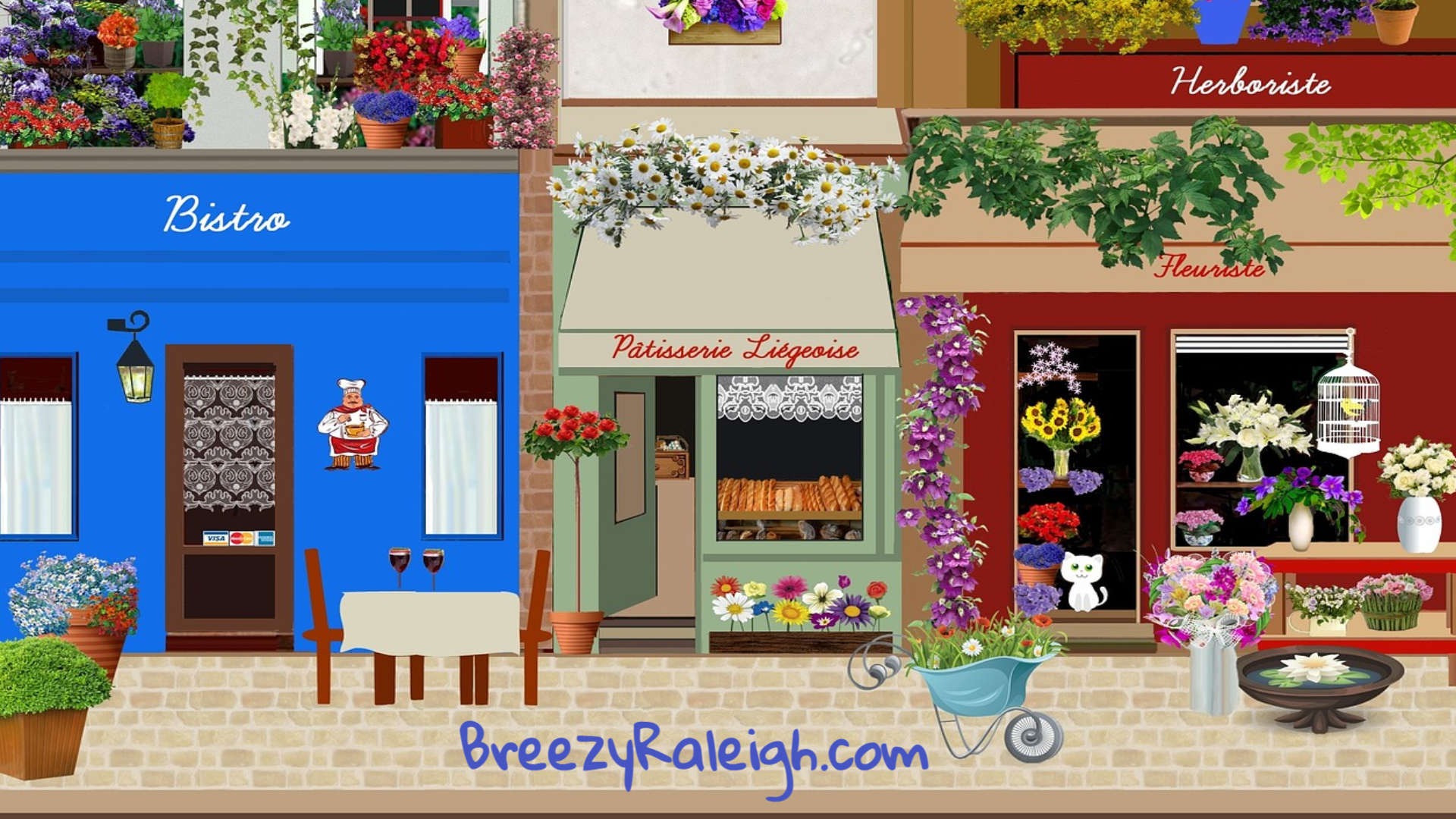
Rendering of unique shops and eateries

1. The Culture & Environment of Raleigh Are Uniquely Cool

Raleigh is known for its cutting-edge culture and beautiful environment. From its vibrant nightlife to its array of restaurants, this city has something for everyone. Plus, the area is only becoming more popular with each passing year.

2. The Area Is Booming with New Development

Raleigh is seeing tremendous growth and new development – making it one of the most exciting real estate markets in the country right now. Raleigh is a city that is constantly growing and expanding. With new businesses and houses popping up all the time, there is always something new to see in Raleigh. Recently, there has been a lot of development in the area around North Hills. This has been great for the city, as it has brought in many new jobs and businesses. There are plenty of opportunities to find your dream home here, regardless of your budget or preferences. 

Map icon with locator bubble pins on it


3. The Location Is Perfect for Those Who Want to Be Close to Everything

Raleigh is situated in the heart of North Carolina and easily connects to major cities like Charlotte and Durham via I-40 and I-85. This makes it an ideal location for those who want to be close to everything while still having plenty of space to relax and enjoy life their own way.


4. Homes in The Area Are Insanely Affordable Compared to Similar Cities Around The Country

With prices soaring above all-time highs in Raleigh, homes are now considerably cheaper than they have ever been before in this area – making it one of the best values on the market today! Plus, since there are so many options available, you're sure to find something that perfectly fits your needs and budget.


Man with white sweater outside reading book

5. Wake County Is One of The Most Attractive Places to Live In North Carolina

With its beautiful scenery, vibrant arts and culture scene, and top-notch schools, Wake County is one of the most desirable places to live in North Carolina right now. New charter schools and high schools have recently been built in the greater Raleigh area as well.

Over 5,500 Homes for Sale in Raleigh and Durham areas Combined

You can narrow your search by square footages, number of bedrooms, specific keywords or other detailed information. Then, you can save your search to receive emails with matching listings. You can even view homes that have recently dropped in price to get a better idea of which are the best deals. Now that's a great way to find the perfect home!

Homes for Sale - Click Here to Search

The Average Price of Raleigh Homes

In Raleigh, the capital of North Carolina, the average price of a home is higher compared to other parts of the country. There are fewer single-family houses available and the demand for them is still strong. Real estate experts today suggest that home prices will slowly continue to increase in the Raleigh area as in most metro areas.

According to the Triangle Multiple Listing Service, the average home sales price in Raleigh is $485,650. This is substantially higher than the price of a home in other cities. The levels of inventory in one of the best cities compared to demand is one of the main reasons for the rising prices. Although new listings were up 1% since the same time last year. Buyers from New York, California, and New Jersey are willing to spend more for a new house in Raleigh.

Home spelled out with indication of seasons

The price of homes in Raleigh was rising rapidly but has since slowed down some. In July of 2022, the median price of a home is $420,000. This includes the middle price tier of homes. Since 2011, home values in Raleigh have grown over 30%, making it one of the most expensive cities in North Carolina. Buying a home is one of the largest purchases most people will ever make, so it's important to know the average price of a home in Raleigh, NC.

As of September 2022, the cost of living in Raleigh was 5.1% higher than what was stated for the national average. The area has a relatively small but growing population. This means that you may eventually recognize a familiar face in a crowd. It's also a short drive to the lake or beach. Despite the high cost of living, the quality of life is one of the best things and people are generally satisfied with their living conditions.

Although there is no major military base in the city of Raleigh, the city is still home to several moderately sized military employers. The United States Army Corp of Engineers has a base in the city, as does the North Carolina National Guard. The city is also home to the US Army Research Office and the Defense Criminal Investigative Service. Fort Bragg is roughly 50 miles from Raleigh, NC.

wooden house cutout and increasing stacks of coins

Home Value Trends

Home values in Raleigh, NC have been increasing steadily for the past ten years. The last two years have seen the highest appreciation rates. The median primary residence value in Raleigh has increased by 34.8%, which is higher than the national average. Home values are expected to continue to rise in the coming years.

The housing market in Raleigh is stable, which means that buyers will have an easier time finding a single family home. The number of available homes in the Raleigh area has increased in recent months. The unemployment rate is low, which should support the real estate market in Raleigh. However, it is important to note that the current housing market is competitive. Luxury homes are available for those interested.

While the Raleigh real estate market has experienced historically high home appreciation rates, many factors contribute to the high demand. A low unemployment rate and a booming economy have driven buyers to the market. In addition, more tech companies are moving to Raleigh. These factors, along with the low unemployment rate, have resulted in a significant increase in home values in Raleigh.

The median days on market have increased over the past month but have decreased compared to last year. As a result, there is a greater need for housing in Raleigh. Approximately 7,600 to 8,600 new housing units are needed to meet the city's growing population. This means that the Raleigh real estate market offers an excellent opportunity for investors.

Home prices in Raleigh, NC are expected to rise steadily in the next year. This increase is largely due to steady demand and the lack of available homes. Rents in Raleigh are also rising, and are up over 15% year over year. Rental prices are expected to rise further, as competition for rentals is high.

Jobs - we are hiring - interview

Raleigh Employers

Over 1.5 million people now live in the overall Raleigh metropolitan area. The metro area has several moderately sized employers, including Wake Med, PNC Bank, Duke Energy, First Citizens Bank, Novo Nordisk, Bandwidth, Spectra Force Technologies, North Carolina Department of Transportation, Duke University and many more. Some of the larger employers include, Red Hat, Cisco, NC Government, IBM, Amazon, SAS, and many others in Research Triangle Park.

There are many areas in Raleigh to consider when buying a new home. Your preference will determine which neighborhood is best for you. Some popular neighborhoods include Cary, downtown Raleigh, Apex, Holly Springs, Garner and North Raleigh. Downtown Raleigh is a popular choice for young professionals and artists, as it offers many downtown amenities. It also offers good public transit, restaurants, and shopping. However, you should know that the property prices in this area are among the highest in the state.

North Raleigh offers an upscale environment and is steadily growing. It has several nice neighborhoods with beautiful homes and is located near many attractions in the Triangle. North Raleigh is generally defined as the area north of the I-40 Beltline, which runs through the city. The Northeast Raleigh area is growing in popularity. It offers a suburban lifestyle with low crime and quality schools. The area is well connected via I-40 and the Raleigh Beltline, and is home to many shops, grocery stores, and libraries. Its low crime rate makes it a popular choice for many people.

Knightdale is a popular choice for young families. The area is located 15 minutes west of downtown Raleigh. It is one of the fastest-growing cities in the South. Its convenient location makes it one of the best places to live in Raleigh for families wanting single-family homes. It is home to many renowned dining options, shopping, wooded neighborhoods, and culture. Families will also appreciate the great outdoor recreational opportunities offered in this area.

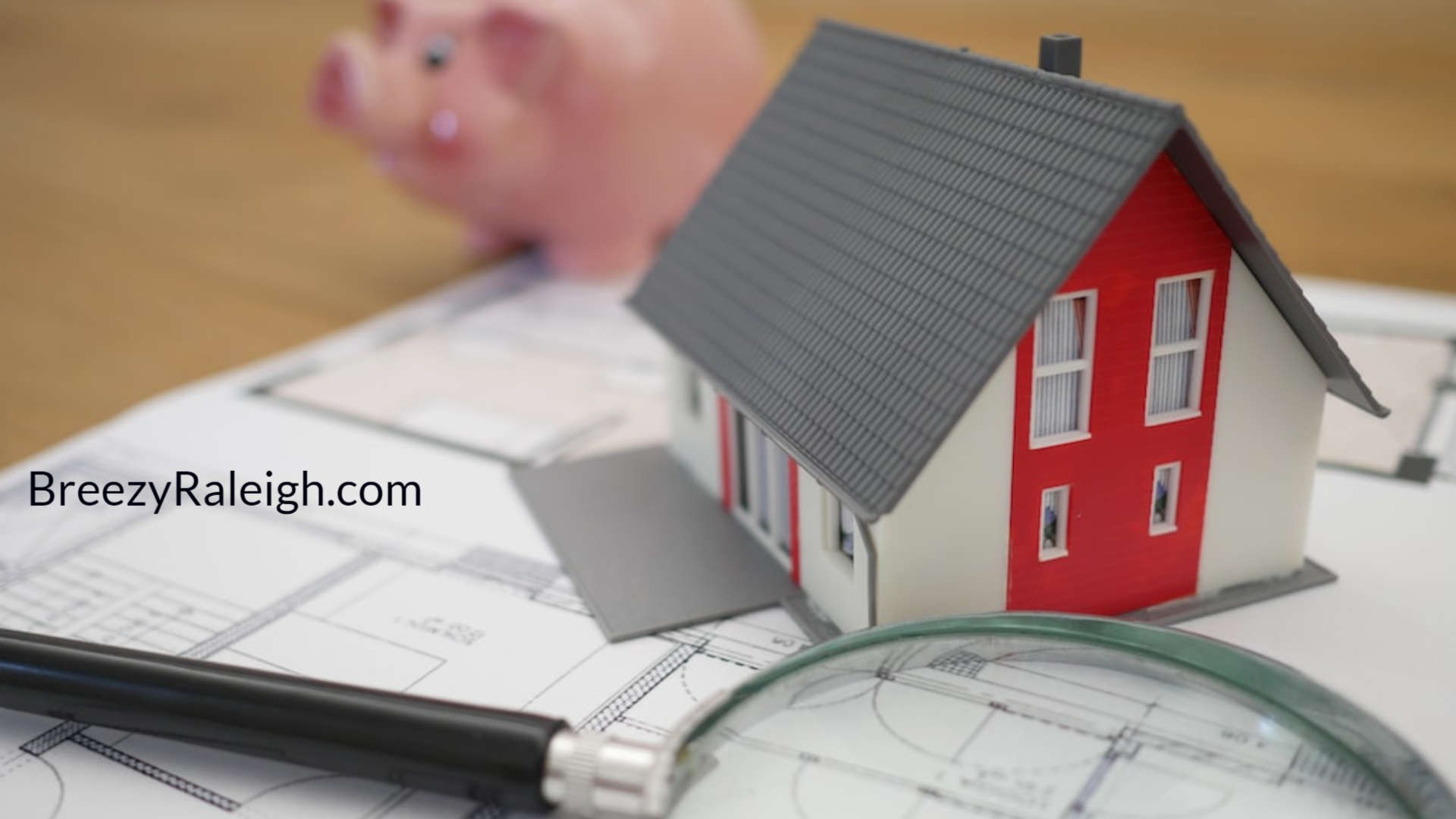
House Map Magnifier and Piggy Bank

The cost of living in Raleigh is relatively low compared to other major cities in the United States. As mentioned earlier, the median home sales price in Raleigh (as of July) is $420,000, which is slightly lower than the national median of $428,700. In addition, groceries and transportation costs are slightly lower in Raleigh than the national average. As a result, the overall cost of living in Raleigh is roughly 2-3% lower than the national average.

University Education

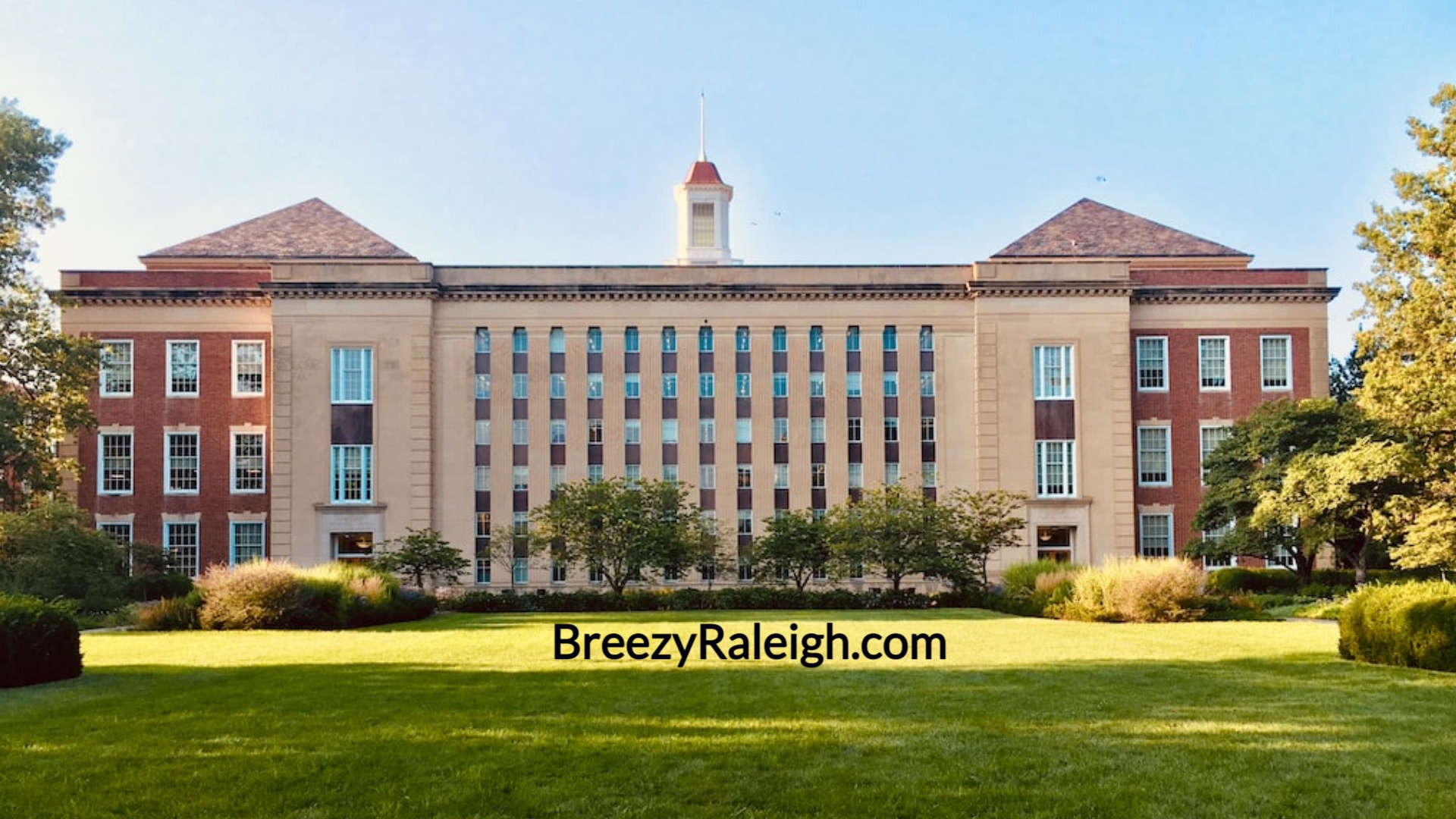
University Building

North Carolina State University has a rich history dating back to 1887 and is known for its research in agriculture, engineering, business, education, health sciences, law and dentistry. NC State is also a major public research university with more than $1 billion in total assets.

Raleigh Shopping

Crabtree Valley Mall is one of the largest shopping malls in the Southeast with over 1.3 million square feet of space. It has over 190 stores. Triangle Town Center is a wonderful spot for both residents and visitors to enjoy shopping and excellent meals. There are over 150 stores and restaurants.

Live Music Venues

The Raleigh area is home to a number of live music venues, offering something for everyone. Such as:

The Ritz Theater

This intimate venue is perfect for up-and-coming bands and has hosted performances by some of the biggest names in music. The Ritz Theater is located in downtown Raleigh, just a short walk from many other attractions.

Red Hat Amphitheatre

Home to popular national acts such as U2 and Taylor Swift, the Red Hat Amphitheatre can seat up to 20,000 people. Easy access to get there by car or public transportation. 

Close up of fat steel microphone

Coastal Credit Union Music Park

This is an 8,000-seat amphitheater located in Raleigh, North Carolina. The venue has hosted many major touring acts including Nickelback, Kid Rock, and Tim McGraw.

The Koka Booth Amphitheatre

Located in Cary, NC, Koka Booth is one of the most iconic venues for live music in the Triangle. The venue has a seating capacity of 2,800 and hosts a variety of concerts, including national touring acts. The venue also offers an outdoor amphitheater setting that makes it perfect for summer concerts.

There are also a number of small, independent venues throughout the Raleigh area that offer great live music experiences at a fraction of the cost. If live music is your thing, there's no shortage of venues to choose from in Raleigh as it is a prime location to call home.

Summary

There are many reasons to consider buying a home in the Raleigh, NC area. The area is growing and has a strong economy, which makes it a great place to live and work. The housing market is still strong, and there are many options for buyers to choose from. Additionally, Raleigh is a great place to raise a family and has many amenities and activities for residents to enjoy. If you are considering buying a home in Raleigh, NC, be sure to consider all of these factors.   

Click Here To Go To BreezyRaleigh.com


Practical Living & Relocation Things To See & Do
Related Posts All Posts

Everyday Safety Tips for Raleigh Neighborhoods (Home, Car & Personal Safety)

Discover essential Raleigh NC home safety tips plus car and personal security strategies. Get expert advice, local crime stats, and proven methods to protect what matters most in

Discover Historic Homes Raleigh NC: Charm That Captivates

Did you know nearly one in five neighborhoods in Raleigh boasts a registered historic home? The City of Raleigh’s storied past is intricately woven into its stunning homes, some of which have stood for more than a century. From Blount Street—once home to more North Carolina governors than any other avenue—to brilliantly preserved properties like Andrews House and Mordecai House, Raleigh's historic estates aren't just buildings. They are living monuments that continue to shape local culture, real estate marketring investing in a piece of Raleigh’s legacy, this comprehensive guide will help you discs, and community identity. If you’ve ever been captivated by vintage charm or are consideover how historic homes Raleigh NC can redefine your sense of place and purpose. Why Historic Homes Raleigh NC Continue to Captivate: Insights & Surprising Facts Nearly 20% of all Raleigh neighborhoods contain a registered historic home, reflecting the city’s deep architectural heritage. Blount Street once hosted more North Carolina governors than any other single avenue in the state. Raleigh’s historic sites attract more than 1.5 million heritage visitors annually, contributing over $50 million to local real estate and tourism. The enormous draw of historic homes in Raleigh NC goes far beyond their elegant facades and grand porches. Each historic home acts as a tangible record—witnessing pivotal moments like the Civil War and Raleigh’s transformation from a Southern crossroads to a thriving modern metro. Heritage visitors are flocking to these architectural treasures, boosting both the city’s cultural value and its economic well-being. With every guided tour and open house, Raleigh’s storied real estate underscores this community’s pride in preservation and progress. What Makes Historic Homes Raleigh NC Stand Out? A Glimpse Into the Unique Architecture of Blount Street and Surroundings Walk down Blount Street and you’ll be swept into a world where Queen Anne towers, Greek Revival pillars, and Mansard roofs sit side by side. Raleigh’s historic homes tell stories through their architecture: elaborate fretwork, generous wraparound porches, and hand-carved cornices all bear marks of a bygone era. The preservation of these homes, especially on streets like Blount, is not just about maintaining Raleigh’s curb appeal. It guards an essential chapter of both local and national history—a time when straight lines gave way to turrets, and every trim detail was a point of pride. The unique architectural styles found on Blount Street and in neighboring districts have made these properties icons on the National Register of Historic Places . It’s common to find a Queen Anne with fish-scale shingles neighboring a stately Colonial Revival home, or a property named for figures that shaped the city’s history. As you move through these tree-lined streets, each home stands not just as a structure, but as an original work of art and a living piece of Raleigh’s evolving story. For those considering a move into one of Raleigh’s historic neighborhoods, timing can make a significant difference. If you’re curious about when to make your purchase, you might find it helpful to explore why September is often considered an ideal month to buy a home in North Carolina , offering unique advantages for buyers interested in historic properties. How the Andrews House Became a Cornerstone of Historic Raleigh With its signature grand staircase and intricate interior trim , the Andrews House is much more than a meticulously preserved dwelling—it is a cornerstone of historic Raleigh . Built in the late 1800s, this home once served as a residence for prominent local leaders and frequently hosted gatherings that shaped the course of city policy and progress. Today, its halls echo with the footsteps of both inquiring visitors and those participating in community events, art installations, and historical lectures. The enduring significance of Andrews House lies in its marriage of preservation and function. By welcoming the public and engaging with local schools and heritage organizations, the home embodies the vital link between Raleigh’s rustic past and its thriving present. For those passionate about historic sites , Andrews House is a testament to how steadfast stewardship and creative use can elevate a simple building to the status of community icon. The Authentic Appeal of Living in a Historic Home in Raleigh NC Choosing to live in a historic home in Raleigh NC is more than a matter of aesthetics. Residents become part of an exclusive tradition, caring for properties that have witnessed generations of North Carolina families, pivotal state events, and even fleeting moments from the Civil War era. From original hardwood flooring to handcrafted moldings, each detail is a daily reminder of the artistry and resilience that define this city. The community feel of historic neighborhoods—where residents often work together to preserve landscaping, signage, and public spaces—provides a sense of belonging that is difficult to replicate. Beyond stately exteriors, living in a historic Raleigh home allows owners to play a pivotal role in the ongoing narrative of their neighborhood, contributing to both community and cultural legacy. Explore the Iconic Blount Street and Its Signature Historic Homes Raleigh NC Blount St: A Legacy Among Historic Sites and North Carolina Heritage No discussion of historic homes Raleigh NC is complete without immersing in the rich legacy of Blount Street . This avenue, possibly Raleigh’s most famous, captures North Carolina’s grand tradition of leadership—housing former governors, notable civic figures, and families whose stories shaped the state’s laws and cultural tapestry. Its broad sidewalks and stately shade trees set the scene for picture-perfect strolls that evoke a sense of continuity and tradition. Besides its architectural splendor, Blount Street remains a living monument in Raleigh real estate. Listing after listing here still sells rapidly, reflecting the street’s deep-rooted pull on those seeking not just a home, but a heritage address. As a result, Blount Street draws the eyes of preservationists, investors, and families alike, each searching for their chance to join Raleigh’s most storied community of historic homes. Must-See Properties: From Andrews House to Mordecai House Whether you’re on a guided tour or house-hunting for your dream property, the must-see historic homes of Raleigh never disappoint. The Andrews House boasts intricate woodwork and authentic Victorian design, while the Mordecai House stands as the oldest house in Raleigh on its original location—a lasting symbol of the city’s endurance through centuries of social and architectural change. Both have featured on state registers and remain open to the public for tours, offering a rare glimpse inside the rooms where some of the most consequential decisions in North Carolina were made. Additional standouts include grand mansions and quaint cottages across the historic district , each reflecting influences from Greek Revival symmetry to the playful quirks of Queen Anne style. For real estate seekers, these homes are more than listings—they’re gateways to Raleigh’s historic fabric, promising both aesthetic pleasure and unmatched cultural value. Historic Parks and Sites: Beyond the Front Door of Historic Homes Raleigh NC Historic Park Experiences Adjacent to Raleigh’s Historic Homes Surrounded by the beauty of Raleigh’s historic homes , several historic parks provide residents and visitors with a refreshing blend of outdoor recreation and local heritage. Moore Square , for example, operates as both a playground for families and a green sanctuary amidst city bustle, while events like outdoor concerts often pay homage to Raleigh’s history, bringing neighbors together under ancient oaks. These parks don’t just offer fresh air—they are actively curated spaces where educational placards and civic art reveal Raleigh’s transformation from mill village to state capital. Walking the grounds or joining in a community event means touching multiple eras of local life in a single afternoon, making the proximity of historic parks a noteworthy benefit for those lucky enough to live near these storied sites. Exploring Distinguished Historic Sites in and Around Raleigh NC Beyond their ornate facades, Raleigh’s historic homes are surrounded by some of North Carolina’s most important historic sites . The city’s distinguished buildings include not just residential landmarks, but also a collection of old churches, commercial centers, and the rare mill building, each further enriching Raleigh’s status as a certified historic destination. For the especially curious, many of these places are open for guided tours, programs, and even immersive reenactments of Civil War events or 19th-century daily life. These historic sites extend Raleigh’s legacy well beyond the residential district, preserving cultural milestones and architectural wonders for future generations. Whether you are walking between preservation zones or attending a lecture in a converted historic building, the seamless blend of past and present makes every step a journey through time. Real Estate Value and Investment Opportunities in Historic Homes Raleigh NC How to Evaluate a Historic Home's Worth in the City of Raleigh When considering an investment in historic homes Raleigh NC , buyers must weigh both tangible and intangible factors. These residences often offer larger lots, finer architectural details, and prime locations within walking distance of downtown and renowned historic parks. However, their distinctive attributes—like original stained glass or period-specific woodwork—make pricing more complex than standardized Raleigh real estate. To determine a historic home’s true worth, enlist a real estate expert experienced with National Register of Historic Places properties. They will consider aspects such as era built, historic district status, restoration costs, and proximity to landmark locations like Blount Street, Andrews House, and Mordecai House. In many cases, the investment value goes beyond dollars, providing a sense of stewardship and profound community connection. Navigating Regulations: What You Need to Know About Buying Historic Homes Raleigh NC Buying into the legacy of a historic home in Raleigh NC means understanding city guidelines and national rules. Many of these homes are protected under local or federal conservation statutes, and improvements often require approval from the Historic District Commission . If your dream includes restoring a Greek Revival gem or adding modern amenities to a Queen Anne estate, you may need special permits or architectural review. While navigating regulations can seem daunting at first, local organizations and city agencies offer invaluable support. Owners are encouraged to attend informational workshops and connect with preservation societies, learning how to maintain compliance while enhancing home comfort and value. The result? Peace of mind and a beautifully preserved investment—proof that Raleigh’s commitment to its heritage is as real as ever. Comparison of Historic Homes Raleigh NC Property Name Price Range Square Feet Era Built Historic District Andrews House $1,200,000–$1,800,000 3,500–6,000 Late 1800s Blount Street Mordecai House Historic Site (Not for sale) 4,000 (Museum) 1785 Mordecai Place Typical Queen Anne $750,000–$1,400,000 2,800–4,200 1890s–1920s Oakwood Colonial Revival Home $900,000–$1,500,000 3,000–4,900 1900s–1930s Historic District Preserving the Charm: How Historic Homes Raleigh NC Are Maintained Local Preservation Guidelines for Historic Sites and Historic Raleigh Properties Commitment to preservation underpins every historic home in Raleigh NC . Local guidelines, often closely aligned with standards set by the National Register of Historic Places , protect everything from facade color to landscaping. Whether you own a small cottage or a celebrated estate, you’re required to observe rules that safeguard original materials and design integrity. This ensures that both current residents and future generations enjoy the irreplaceable look and feel of each historic property. Many homeowners apply for grants or participate in incentive programs that help cover restoration expenses. City of Raleigh officials actively encourage property owners to preserve key features like wooden sash windows, slate roofs, and hand-laid brickwork, amplifying the lasting beauty of homes across historic Raleigh . These programs make it easier for new and experienced owners alike to keep their homes beautiful—and valuable—for years to come. Community Initiatives: Blount Street and Historic Park Collaborations Beyond city policies, it’s the community that breathes new life into Raleigh’s historic heritage. Neighborhood associations, preservation societies, and park collaborations coordinate annual clean-up days, guided tours, and educational programs celebrating Blount Street and other prominent historic sites . Volunteers restore porches, repaint original trim, and maintain lush landscaping—all vital to the continued glory of properties across the city. These collective efforts ensure that historic homes Raleigh NC retain their storied elegance. The direct involvement of residents, youth groups, and local businesses draws people closer together, strengthening both the physical fabric and the communal spirit of each beloved street. When you purchase a historic home in Raleigh, you’re not only preserving architecture—you’re joining a movement deeply rooted in pride and respect for the city’s cultural legacy. "Restoring a historic home in Raleigh is preserving a piece of North Carolina's cultural legacy for future generations." – Leading Local Historian Frequently Asked Questions About Historic Homes Raleigh NC What qualifies a property as a historic home in Raleigh NC? A property is generally considered a historic home in Raleigh NC if it is at least 50 years old and maintains significant architectural, cultural, or historical features. Many are listed on either the National Register of Historic Places or the City’s own register, ensuring protection and preservation. Eligibility often involves assessments of original materials, location, and association with important individuals or events. Are there incentives for purchasing or renovating historic homes in Raleigh NC? Yes! Raleigh’s city programs and state initiatives provide tax credits, grants, and financial incentives for those purchasing or restoring qualifying historic homes . These incentives reward investments that maintain a structure’s original character and help offset restoration costs. By preserving a home’s unique past, buyers and owners can benefit both historically and financially. How does living in a historical district like Blount Street impact property value? Residing in a historic district such as Blount Street often enhances property values and ensures long-term community appeal. The protective measures against unsympathetic development and the high pride in local preservation efforts can make historic homes in these districts highly sought after. As a result, properties here may appreciate faster than standard Raleigh real estate, offering both stability and lasting value. People Also Ask: Historic Homes Raleigh NC Are there guided tours available for historic homes in Raleigh NC? Absolutely! Many historic homes, such as Mordecai House and prominent addresses on Blount Street , offer guided tours through city-sponsored historic site programs and local historic parks. These tours run primarily Tuesday through Saturday and are perfect for those interested in architectural details or local history. Is it difficult to renovate historic homes Raleigh NC? Renovating a historic home in Raleigh can involve additional steps, such as obtaining special permits and adhering to city and federal preservation guidelines. However, local organizations, experts, and city representatives provide resources and support to guide owners every step of the way, making the process manageable and rewarding for residents committed to luxury and authenticity. Key Takeaways: Why Historic Homes Raleigh NC Remain Coveted Unmatched architectural beauty and unique North Carolina heritage. Strong investment potential within Raleigh’s growing real estate scene. Community and cultural value through ongoing preservation efforts. Unlock the Opportunities: Find Your Dream Historic Home in Raleigh NC Today Explore available listings, from Blount Street gems to iconic Andrews House properties. Schedule a virtual or in-person tour with our expert real estate team. Download our free guide to buying and restoring historic homes in Raleigh NC ! Ready to start your journey? Contact us and claim your place in Raleigh’s remarkable history through one of its legendary homes. As you consider the possibilities of owning a piece of Raleigh’s history, remember that the value of a historic home extends well beyond its walls—it’s about embracing a lifestyle rich in tradition, community, and enduring beauty. If you’re inspired to explore how Raleigh real estate can be the ultimate gift for your family or future, discover more about the unique advantages and heartfelt reasons that make this city’s homes truly special by reading why Raleigh NC real estate is the ultimate gift during the holidays . Let your next step be guided by insight and inspiration—your dream home and a vibrant new chapter in Raleigh’s storied neighborhoods may be closer than you think. Raleigh, North Carolina, is renowned for its rich tapestry of historic homes, each narrating a unique chapter of the city’s past. Among these, the Capehart House stands out as a quintessential example of Queen Anne architecture. Constructed circa 1898, this residence features an intricate skyline adorned with towers, turrets, and dormers, complemented by facades embellished with stained glass and decorative woodwork. Originally built for Lucy Catherine Capehart and her husband, the house has since been repurposed for governmental office use, preserving its architectural integrity. ( en.wikipedia.org ) Another notable landmark is Montfort Hall , an Italianate mansion completed in 1858 for William Montfort Boylan. Distinguished by its central rotunda supported by Corinthian columns and illuminated by a stained glass window, Montfort Hall is among the few Raleigh mansions that survived the Civil War era. Currently, it is undergoing transformation into a boutique inn, offering visitors a chance to experience its historic grandeur firsthand. ( en.wikipedia.org ) For those eager to immerse themselves in Raleigh’s historic charm, the Historic Oakwood Candlelight Tour provides an annual opportunity to explore the interiors of meticulously preserved Victorian-era homes. Held each December, this self-paced tour allows participants to appreciate the architectural diversity and historical significance of the neighborhood, with docents available to share insights into each property’s unique story. ( visitraleigh.com ) If you’re passionate about exploring or investing in historic properties, these resources offer valuable insights into Raleigh’s architectural heritage and the timeless charm of its historic homes.

Discover Why Pet-Friendly Living in Raleigh NC Is a Game-Changer

Are you part of the 60% of Raleigh renters with a four-legged companion—but find that only half the city's rental listings actually welcome your pet?Pet-friendly living in Raleigh NC is no longer a fringe benefit—it's a rapidly evolving lifestyle, transforming how renters, landlords, and communities view apartments for rent. In this ultimate guide, we'll explore why the surge in pet-friendly options is a game-changer, how to find the perfect apartment for your furry friend, and what makes living in Raleigh an unparalleled experience for pet owners.Why the demand for pet-friendly apartments is changing Raleigh’s rental marketWhat makes an apartment truly “pet-friendly”The best neighborhoods and dog parks for pet ownersCost breakdowns, budgeting tips, and community perksHow to make your search smooth and rewardingWhy Pet-Friendly Living in Raleigh NC Is Changing the Game for RentersExploring the surge in demand for pet-friendly apartments for rentKey benefits for pet owners living in RaleighHow the pet-friendly trend impacts rental value and availabilityPet-friendly living in Raleigh NC is in high demand—and for good reason. As more residents look for apartments for rent that accommodate pets, communities are adapting. Landlords now recognize that pets allowed policies attract high-quality tenants, resulting in lower vacancies and increased property value. Examples of this shift are seen in modern complexes featuring on-site dog parks, walking trails, and amenities catering specifically to pet owners.For residents, living in a pet-friendly apartment means more than just a “pets allowed” note on the lease—it’s about access to trails and green spaces, community dog events, and transparent pet rent and policies. This evolving trend makes rent in Raleigh more competitive, with options that support not only renters but their furry friends as well. The result? A citywide revolution that elevates daily life for pet lovers and changes the landscape of apartments in Raleigh for years to come. As you explore the benefits of pet-friendly living, it's also helpful to understand how broader real estate trends in Raleigh are shaping the rental market. For a deeper look at current market dynamics and what renters should be aware of, check out the latest insights in Raleigh real estate trends: what buyers must know now .Find the Perfect Apartments for Rent: Your Guide to Pet-Friendly Living in Raleigh NCWhat Defines Truly Pet-Friendly Living in Raleigh NC?Amenities pet owners cannot live withoutProximity to dog parks and open spacesRental policy transparencyWhen searching for the perfect pet-friendly living in Raleigh NC apartment , it's vital to look beyond the checkbox that says “ pets allowed.” Residents expect comprehensive features like on-site washing stations , secure play areas, green spaces, and even treat-welcome events from shops like Woof Gang Bakery. Easy access to trails and green spaces , plus proximity to reputable animal hospitals , enhances the quality of life for renters and their furry companions.Transparency is another critical component. The best apartments for rent in Raleigh spell out pet rent , deposits, and any breed restrictions up front, so that pet owners can make informed decisions. This culture of openness signals a true commitment to friendly living , where both human and animal residents feel genuinely welcome. Comparing Housing Options for Pet Owners: A Look at Friendly Living in RaleighHousing OptionPet PolicyNearby ParksPrice RangeApartmentsPet deposits, pet rentMultiple options$1200-$2200TownhomesBreed restrictionsCommunity dog park$1500-$2600Single-family homesOwner discretionPrivate yards$1800+Each housing option in Raleigh comes with unique advantages for pet owners. Apartments for rent typically provide predictable pet deposits and monthly pet rent but may have shared amenities and breed restrictions. Townhomes often have community dog parks and tighter breed policies, but they can offer a more neighborhood feel. Single-family homes provide ultimate flexibility—including private yards—though terms vary by landlord. Understanding these differences empowers pet owners to select a space that best matches their lifestyle, pet’s needs, and budget. This is the heart of friendly living in Raleigh.Living in Raleigh: Top Neighborhoods for Pet-Friendly Living in Raleigh NCNorth Hills: A Pet Owner’s Paradise in RaleighWalking trails and pet-friendly restaurantsDog-friendly events and social meetups in North HillsNorth Hills stands out as a premier destination for those seeking pet-friendly living in Raleigh NC. The neighborhood’s abundance of walking trails , open green areas, and convenient access to specialty pet shops like Woof Gang Bakery make it a hit with both residents and their pets. Local restaurants often welcome well-behaved furry friends on their patios, and seasonal dog-centric festivals foster a strong community vibe for pet lovers.North Hills isn’t just about leisure—it’s also about community spirit. Regular dog-friendly meetups, adoption events, and outdoor movie nights ensure there's always something on the calendar for the city's four-legged residents and their families. The proximity to vet clinics and animal hospitals adds extra peace of mind, solidifying North Hills as the gold standard for a friendly community dedicated to pet owners. Downtown and Oakwood: Urban Perks With Oakwood Dog Park AccessCultural hotspots paired with open green spacesOakwood dog park highlights: facilities, safety, and communityDowntown Raleigh and the historic Oakwood district blend vibrant city life with distinct pet perks. While these neighborhoods brim with cultural attractions—think art galleries, trendy coffee shops, and music venues—they’re also packed with open green spaces and pocket parks. The Oakwood Dog Park is a beloved hub for locals, providing shaded play areas, secure fencing, and a welcoming vibe that enables both dogs and owners to socialize safely.Urban dwellers benefit from walkable streets and access to dog-centric services such as grooming salons and pet supply boutiques. Community-centered events like “Bark in the Park” reinforce the sense of connection. With Oakwood Dog Park at its core, these neighborhoods showcase how Raleigh combines the best of city living with the comfort and security pet owners crave.Key Amenities for Pet-Friendly Living in Raleigh NC Apartments for RentOn-site dog parks and washing stationsFenced-in play areas and pet-friendly trailsPet policies tailored for multiple speciesModern pet-friendly apartments for rent in Raleigh NC offer a wealth of specialized amenities. On-site dog parks provide safe, dedicated play areas for furry friends , while washing stations make post-adventure cleanups a breeze—especially after visits to local dog parks. Fenced-in trails, pet lawns, and agility courses further distinguish top-tier properties catering to pet owners.To meet the diverse needs of renters, many communities now develop pet policies accommodating cats, dogs, and even exotic species, ensuring all pets allowed have a place to thrive. These investments not only foster a friendly community but also make apartments for rent in Raleigh a leading choice for animal lovers searching for value and convenience. Dog Parks Near You: Best Spots for Pet Owners in Raleigh NCMust-Visit Dog Parks: Oakwood Dog Park, North Hills Dog Park, and MoreOakwood Dog Park: Shaded, safe, and centrally locatedNorth Hills Dog Park: Social scene for dogs and ownersOther hidden-gem dog parks in RaleighDog parks are a staple of pet-friendly living in Raleigh NC , and the city offers some of the most vibrant and well-designed spaces in the state. Oakwood Dog Park is renowned for its expansive shaded areas, double-gated security, and ample benches for owners. The vibe is friendly and inclusive—a true neighborhood gathering spot. North Hills Dog Park mirrors this energy, serving as a lively hub where pets and their families make long-lasting connections.Raleigh's lesser-known dog parks, like Millbrook Exchange Dog Park and Carolina Pines, provide unique features—from agility equipment to bake sale events—helping every furry friend find their place. These spaces promote exercise, safety, and meaningful social experiences, cementing Raleigh's reputation as a premier city for pet owners of all kinds. "Pet-friendly living isn’t just a perk—it’s a lifestyle upgrade in Raleigh, NC." — Local Pet OwnerRent in Raleigh: Navigating Costs, Deposits, and Pet FeesApartmentMonthly RentPet DepositPet RentThe Park at North Hills$1,600$350$25/monthOakwood Residences$1,850$400$30/monthDogwood Flats$1,550$300$20/monthUnderstanding the full cost of pet-friendly living in Raleigh NC is crucial for informed decision-making. Many apartments for rent require a non-refundable pet deposit (typically between $300-$400) and monthly pet rent (averaging $20–$30). These fees support ongoing maintenance of play areas and parks, but some apartments offer bundled packages or low pet rates to stay competitive. Always verify details with your leasing office to avoid surprises.For many pet owners , the extra amenities and community events far outweigh the additional costs. With a clear understanding of deposits, fees, and rent structures, you can confidently budget for your next move and focus on enjoying everything that living in Raleigh has to offer.Tips for Budgeting Pet Costs When You Rent in RaleighEstimate monthly pet rent plus upfront depositsSeek rentals with transparent pet-friendly policiesSuccessful budgeting starts by calculating your total costs: add your apartment’s base rent, monthly fee for your furry companion , and anticipated vet, grooming, or daycare expenses. Consider apartments offering bundled or “low pet fee” incentives, and don’t be afraid to negotiate, especially for long-term leases. Clear communication with landlords about pet size, breed, and behavioral expectations builds trust and may result in waived or reduced fees. How to Find the Perfect Pet-Friendly Living in Raleigh NCUse reputable rental platforms with pet-friendly filtersConnect with local pet owner groups for reviews and leadsTour listings: verify policies, amenities, and local vibeFinding the ideal pet-friendly apartment involves more than searching "pets allowed." Use trusted rental websites and filter by pet policies, then read reviews from other pet owners to catch any hidden policies or fees. Raleigh's strong sense of community means local Facebook groups and pet owner forums are excellent sources for honest feedback and leads on up-and-coming complexes.Schedule tours and bring your pet along (if allowed!) to see how they respond to the environment and staff. Pay attention to cleanliness, the quality of play areas, and neighbor interactions—these factors shape your daily living in Raleigh experience as much as price or amenities. In short, patience and thoroughness pay off when searching for your next home in this vibrant, pet-friendly city.Benefits of Choosing a Friendly Community in Raleigh for Pet OwnersSocial opportunities for pets and peopleWell-maintained common areas for petsStronger community bonds among pet loversSelecting a friendly community in Raleigh is more than a convenience—it’s an investment in your pet’s happiness and your own peace of mind. Top communities organize regular pet socials, provide clean play areas, and commit to ongoing landscape and amenity improvements to keep both paws and hearts content. This consistent upkeep makes sure your furry friend always feels at home, while you benefit from richer social interactions and a network of caring neighbors.Perhaps most importantly, the pet-friendly ethos fosters deeper community bonds. Informal “puppy playdates” turn into lasting friendships, and neighbors often help one another with walks or pet-sitting, especially for those with demanding work schedules. Friendly, well-maintained spaces elevate pet-friendly living in Raleigh NC beyond just a rental agreement—it’s about building a lifestyle. People Also Ask About Pet-Friendly Living in Raleigh NCIs Raleigh, NC pet friendly?"Raleigh consistently ranks as one of the most pet-friendly cities in America with ample parks, pet hospitals, and inclusive rental options."Yes! Raleigh is renowned for being exceptionally pet friendly. From an abundance of dog parks and trails to pet-welcoming restaurants and apartments for rent with pets allowed, the city supports all types of pet owners. Local businesses like vet clinics, doggy daycares, and the Woof Gang Bakery make Raleigh a welcoming home for every breed and species.How much does overnight pet sitting cost in Raleigh NC?Average rates range from $30-$65 per night, depending on level of care and location.Top-rated sitters may charge higher for specialized care.Overnight pet sitting fees in Raleigh vary. On average, expect to pay between $30 to $65 per night. Costs depend on services provided (walks, feeding, medical needs) and the sitter’s experience. For specialized care or additional amenities, such as extended play areas or dog park visits, rates may be higher.What is the safest area to live in Raleigh NC?North Hills and Oakwood are popular neighborhoods known for safety and pet-friendly living.Overall safety ratings align with pet-friendly housing availability.North Hills and Oakwood rank as two of Raleigh’s safest and most pet-friendly neighborhoods. Both offer well-lit streets, active community watch programs, and convenient access to amenities. The prevalence of dog parks and walking trails adds to the neighborhood appeal for pet owners prioritizing both safety and lifestyle.Is North Carolina a pet friendly state?North Carolina offers many pet-friendly apartments, dog parks, and public spaces.Pet owner advocacy groups are active and help influence positive legislation.Absolutely, North Carolina is a pet-friendly state. Cities like Raleigh lead the way with plentiful dog parks , supportive rental communities, and active pet owner advocacy groups working to promote animal welfare legislation and more inclusive rental polices statewide. Frequently Asked Questions for Pet-Friendly Living in Raleigh NCWhat documents do I need to rent a pet-friendly apartment in Raleigh, NC? Most landlords request vet records, proof of vaccinations, and sometimes a pet reference or photo. Be sure to clarify breed, weight, and number of pets permitted.Are there breed restrictions for apartment rentals? Some communities maintain breed restrictions; always check with management and review the lease carefully. Townhomes and single-family homes may offer more flexibility.Do pet-friendly communities offer pet care services? Increasingly, yes. From on-site grooming to dog-walking services and pet-sitting partnerships, amenities are expanding to meet the needs of busy renters.How can I negotiate pet fees with landlords? Approach the conversation prepared—offer references from previous landlords, proof of training, and a willingness to pay refundable deposits. Leasing longer-term may also help reduce fees. Maximize Your Experience: Action Steps Toward Pet-Friendly Living in Raleigh NCList your must-have amenities and pet preferencesResearch neighborhoods like North Hills and OakwoodVisit apartments for rent with your petNegotiate pet agreements and confirm access to dog parks"Choosing the right pet-friendly apartment transforms your Raleigh experience and your pet’s happiness." Ready for Pet-Friendly Living in Raleigh NC? Find Your Next Apartment TodaySearch available apartments for rent in Raleigh with pet-friendly filtersContact local realtors specializing in pet-friendly housing optionsStart your journey to a more fulfilling life for you and your pet in Raleigh NCConclusionTake action: Define your needs, explore Raleigh’s pet-friendly neighborhoods, and tour apartments with your furry friend in tow. A world of pet-friendly living in Raleigh NC awaits!If you’re inspired to make the most of Raleigh’s pet-friendly lifestyle, consider how homeownership could further enhance your experience. Owning a home can offer even greater flexibility for you and your pets, from private yards to custom amenities. For a broader perspective on the long-term benefits and value of owning property in Raleigh, explore the expert guidance in the value of home ownership . Whether you’re renting or buying, Raleigh’s welcoming communities ensure you and your furry companions can thrive for years to come.Raleigh, NC, is renowned for its pet-friendly atmosphere, offering a plethora of amenities and communities that cater to pet owners. For instance, the city boasts over 13,900 pet-friendly apartments, many equipped with features like on-site dog parks, pet washing stations, and proximity to green spaces. ( apartments.com ) Neighborhoods such as Brier Creek and North Hills are particularly accommodating, providing ample walking trails, pet-friendly restaurants, and community events tailored for pet lovers. ( apartments.com ) Additionally, Raleigh’s commitment to pet welfare is evident in its numerous dog parks, pet-friendly businesses, and comprehensive veterinary services, ensuring a high quality of life for both residents and their furry companions. ( sparefoot.com )

Terms of Service

Privacy Policy

Core Modal Title

Sorry, no results found

You Might Find These Articles Interesting

T
Please Check Your Email
We Will Be Following Up Shortly
*
*
*