

Breezy Raleigh
update


​​​​​​​BreezyRaleigh.com

update
  • Homepage
  • Subscribe
  • Arts, Culture & History
  • Food & Drink Scene
  • Business Spotlight
  • All Posts
  • First-time Homeowners
  • Buying or Selling a Home
  • Practical Living & Relocation
  • Home Upgrades & Repairs
  • Things To See & Do
  • Home Design & Decoration
  • Real Estate Investing
  • Holidays
  • Arts, Culture & History
  • Food & Drink Scene
  • Business Spotlight
April 27.2026
1 Minute Read

Uncover the Magic of Smithfield NC Ham & Yam Festival Fun

May 2nd, 2026

Nothing brings a community together like the Smithfield NC Ham & Yam Festival. It’s more than food—it’s a celebration of tradition, joy, and shared memories. Experience the heartwarming spirit that turns this annual event into an unforgettable celebration of culture, flavor, and fun.

The Smithfield NC Ham & Yam Festival: A Celebration of Flavor and Community

"You know, the Ham & Yam Festival really has a special way of uniting our community. It’s a wonderful celebration of what makes our town unique!" - Smithfield Resident Ray
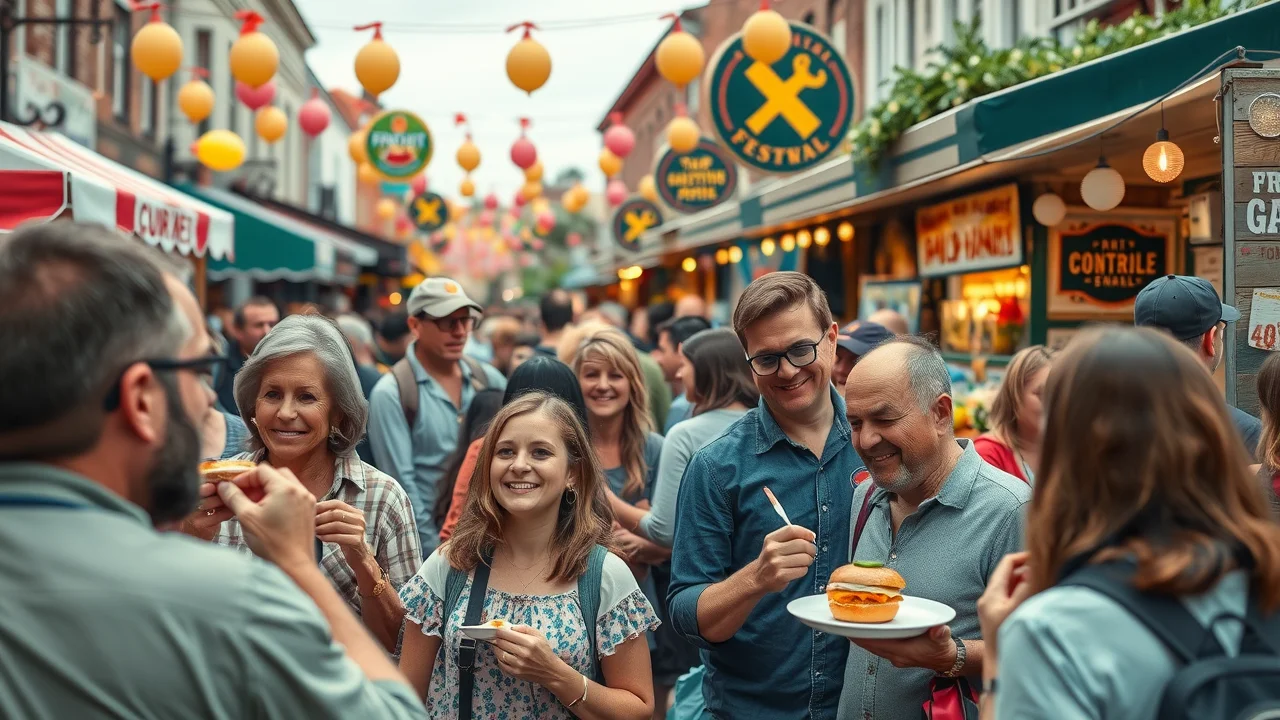
Festive small-town crowd enjoying the smithfield nc ham & yam festival, families sampling food at an outdoor food festival in Smithfield

Every spring, Smithfield, North Carolina, transforms into a bustling epicenter of community pride, music, and, of course, irresistible flavors thanks to the iconic smithfield nc ham & yam festival. This event is more than just a typical food festival—it's a lively celebration of both the area's agricultural bounty and enduring traditions.

Year after year, families, friends, and food enthusiasts make their way from downtown Smithfield and neighboring towns to join the festivities that have become a true highlight on the local calendar. The festival site bursts with life—balloons, vendor booths, string lights, and the tantalizing aroma of sizzling country ham and sweet potatoes fill the air, inviting everyone to join in the excitement.

What really makes the ham and yam festival special is its power to bring people together, creating shared memories and a sense of belonging. Whether you’re here for the fried ham biscuits, toe-tapping bluegrass, or simply to soak up the friendly atmosphere, you’re bound to find something that makes you want to return year after year.

For both first-timers and regulars, the Smithfield NC Ham & Yam Festival stands as a shining example of how food and fun can unite an entire community and keep proud traditions alive for generations.

What You'll Learn About the Smithfield NC Ham & Yam Festival

  • The historical roots and cultural impact of the festival

  • Must-see events, entertainment, and experiences

  • Insider tips for exploring Smithfield during festival weekend

  • Answers to top questions about the Ham & Yam Festival

The Heartwarming Origins and Traditions of the Smithfield NC Ham & Yam Festival

How the yam festival celebrates Smithfield’s rich agricultural legacy

“Visiting the Smithfield NC Ham & Yam Festival is like stepping into a living storybook of North Carolina culinary traditions.”
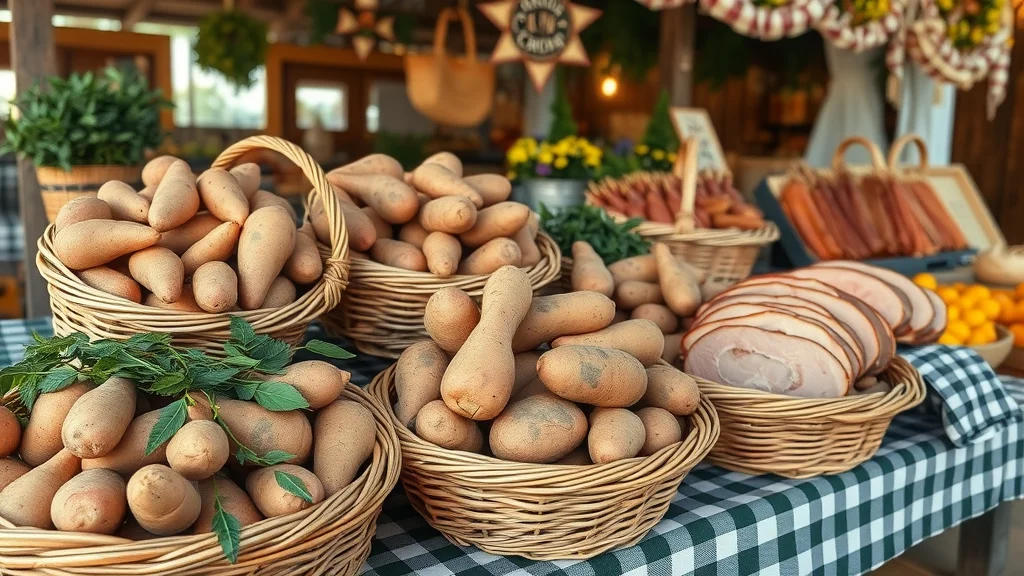
Rustic display of North Carolina agricultural produce including baskets of sweet potatoes and cured country ham at the yam festival in Smithfield NC. Vibrant, photorealistic farm stand scene.

The smithfield nc ham & yam festival owes its roots to the deep agricultural history of Johnston County, where ham and sweet potatoes have long been at the heart of local livelihoods and celebrations. Established decades ago, the festival began as a way to showcase the contributions of area farmers and the importance of these staple crops not just to Smithfield, but to the broader North Carolina region. The event shines a light on the hardworking families, the vibrant downtown development, and the spirit of community that define Smithfield’s past and present.

Packed with tradition, the yam festival highlights how Smithfield has turned what might seem like everyday ingredients—country ham and sweet potatoes—into culinary stars of a full day of fun. The festival honors this agricultural heritage with every cook-off, tasting booth, and live music performance. It's an opportunity to step into Smithfield’s living, breathing storybook, where age-old recipes are lovingly passed down and celebrated, making this event much more than a simple food festival—it's a festive salute to rural North Carolina itself.

Annual highlights: From live music to the famous yam cook-off

Activity

Description

Yam Cook-Off

Local chefs compete, creating signature yam-inspired dishes.

Ham Tasting Booths

Sample some of Johnston County's best-cured country ham.

Live Music

Regional bands perform throughout the festival weekend.

Kids Zone

Games, rides, and activities for children of all ages.

Among the many highlights of the ham and yam festival are the spirited competitions and engaging live entertainment. The famous Yam Cook-Off, for example, brings together the most creative culinary minds in and around Smithfield, all vying to win top honors and even cash prizes for their innovative sweet potato or yam dishes. It's here that classic Southern food gets a modern twist, and festival-goers can taste the difference that local pride makes.

Visitors also flock to the bustling ham tasting booths—this is where you get to savor some of Johnston County’s finest, slow-cured country ham, each slice a testament to Smithfield’s artisanal traditions. The heartbeat of the festival, however, is the steady stream of live music that pumps joy and rhythm into the atmosphere, often spilling out from the neuse river amphitheater into downtown streets, ensuring that the energy never fades. For families, the Kids Zone ensures that little ones are just as entertained, rounding out a true community get-together that keeps both tradition and fun alive.

If you’re feeling inspired to bring a taste of the festival home, you might enjoy exploring some creative Southern dishes for your next gathering. For delicious ideas that will wow your friends and family, check out these game day recipes perfect for any festive occasion.

Experiencing the Smithfield NC Ham & Yam Festival: Food, Fun, and Community

Must-try ham and yam specialties at the yam festival

  • Yam fries with a Southern dip

  • Country ham biscuits

  • Yam pies and cakes

  • Ham and yam jam—try it on fresh bread!

Southern comfort food at the Smithfield NC Ham & Yam Festival with plates of yam fries, ham biscuits, yam pie, and ham and yam jam displayed on a picnic table. Appetizing, photorealistic food festival spread.

When you visit the smithfield nc ham & yam festival, your taste buds are in for an adventure that celebrates the best of Southern comfort food. Don’t skip the crisp yam fries, perfectly paired with local dips that capture the heart of North Carolina flavors. For breakfast or a hearty midday treat, grab a country ham biscuit—a staple loved by locals that pairs the festival’s signature ingredient with fluffy bread straight from the oven.

Each food booth promises a new culinary delight: from spicy-sweet yam pies and moist cakes to the unmistakably unique “ham and yam jam. ” Spread it generously on fresh bread, and you’ll discover why generations have raved about its complex balance of smoky, salty, and sweet. The festival encourages visitors to sample boldly, as there are always new southern flavors to uncover—including inventive twists on sweet potato classics that could soon become your new favorites.

Smithfield’s charm: Exploring downtown during the festival

“The festival atmosphere fills downtown Smithfield with laughter, music, and the smell of sweet yams and sizzling ham.”
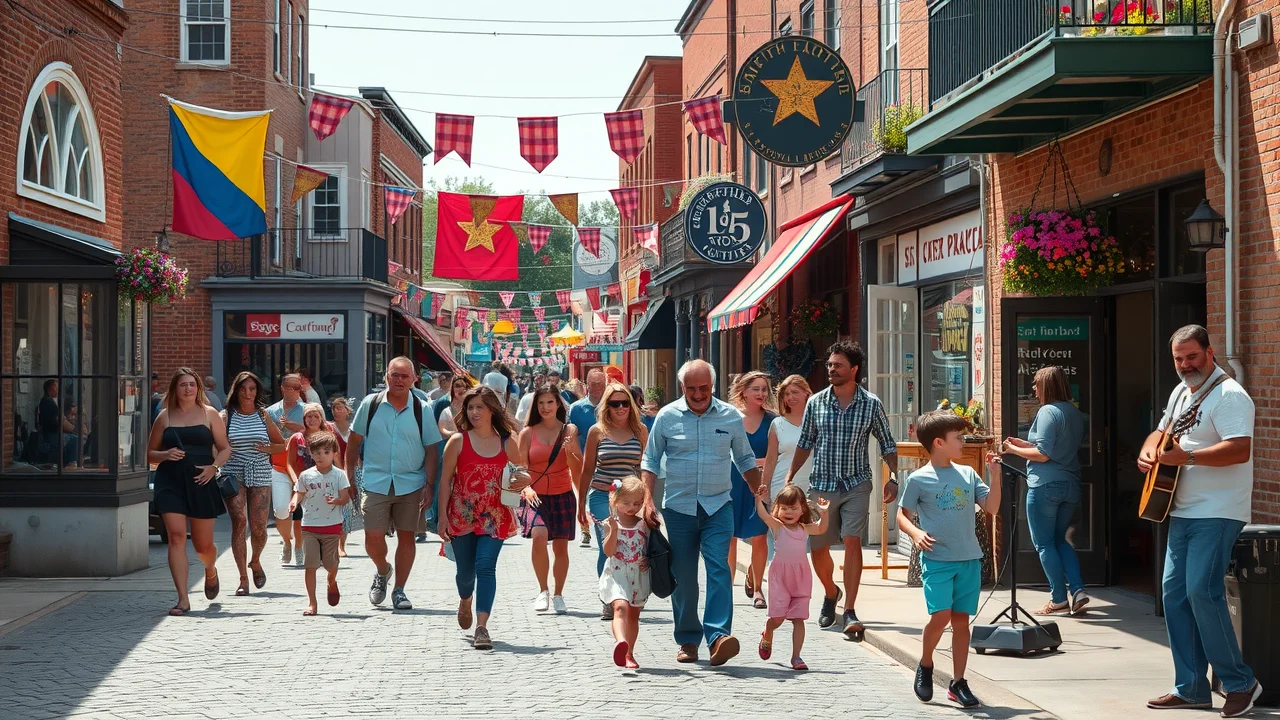
Quaint downtown Smithfield street during the ham and yam festival with bustling crowds, historic storefronts, and vibrant festival banners. Lively, photorealistic festival scene.

Beyond the main festival site, the smithfield nc ham & yam festival brings energy and color to the heart of downtown Smithfield. The quaint streets are alive with the hum of the crowd sliding past charming brick storefronts, where old and new South blend in perfect harmony. Local shops open their doors wide, offering artisan goods, festival keepsakes, and friendly hellos to visitors and longtime neighbors alike.

Street musicians perform outside historic buildings, adding to an already lively mix of music, laughter, and that unmistakable aroma of country ham weaving through the air. Children’s laughter spills into the streets from games and rides, while families snap photos under rainbow-hued banners and flower baskets.

Whether you’re strolling by the neuse river amphitheatre or ducking into a cozy shop on Main Street, downtown Smithfield radiates the warmth and charm that makes this a must-visit food festival destination each spring.

What to Expect: Tips for Making the Most of your Festival Visit

  1. Arrive early for prime parking and access to activities.

  2. Sample local vendors’ food and crafts.

  3. Don’t miss the ham and yam cook-off stage.

  4. Explore nearby shops and historic sights in Smithfield.
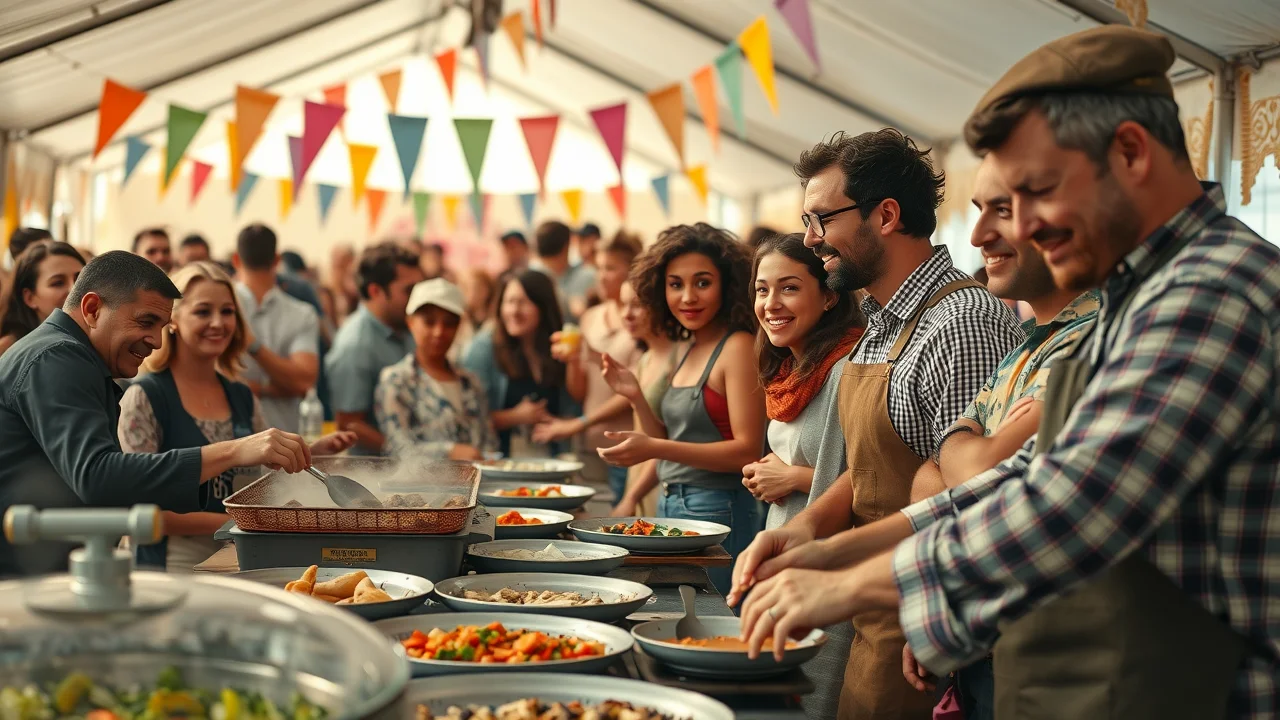
Enthusiastic crowd at Smithfield NC Ham & Yam Festival watching a cooking competition with adults and children engaged in a lively, photorealistic festival tent scene.

To make the most of your time at the ham and yam festival, plan to hit the road early and secure a convenient spot near downtown Smithfield or in neighboring areas. Arriving before the midday rush also means you'll catch the first sizzle of ham at the cook-off stage—a crowd-favorite event where chefs “raise the heat for the ham” with creative dishes competing for bragging rights and cash prizes. Sampling food from multiple vendors is essential; each brings a unique twist, and it’s a fantastic way to experience the full spectrum of what Smithfield and Johnston County offer.

Take time to explore beyond the festival booths; historic Smithfield is rich in charming architecture, riverside walks along the Neuse River, and friendly neighborhood shops. With taxis in operation and private ride services making it easy to arrange transportation from your campsite to the festival site, you can conveniently enjoy everything, even if you’re coming from the fringes of Smithfield or a neighboring town. For your comfort and safety during a full day under the North Carolina sun, pack sun safety items and a small aid kit—and let the festival spirit guide you from food tent to concert stage with ease.

Smithfield NC Ham & Yam Festival Knowledge

What is a ham and yam festival?

A ham and yam festival is a vibrant community event, typically held in towns like Smithfield, NC, that celebrates local agricultural staples—namely, country ham and sweet potatoes (often called yams in the South). These festivals combine food tastings, cook-off competitions, arts and crafts, music, and children’s activities for a full day of family entertainment. The Smithfield NC Ham & Yam Festival is especially known for shining a light on the region's farming heritage and treating visitors to a unique blend of North Carolina flavors and Southern hospitality.

What to do in Smithfield, NC this weekend?

If you’re in Smithfield, NC this weekend, the ham and yam festival should top your list. Beyond the bustling festival site, downtown Smithfield offers plenty to discover—browse artisan shops, catch live music at the neuse river amphitheater or explore the scenic Neuse River trails. With live travel information available and plenty of nearby parking, Smithfield is set up for a memorable experience. Also, consider exploring local museums, historic sites, and nearby riverside parks for a well-rounded weekend adventure.

Which month is the New Yam Festival?

While the Smithfield NC Ham & Yam Festival is held in spring (typically late April or early May), the New Yam Festival is a traditional celebration observed in parts of West Africa to celebrate the first yam harvest—usually in August or September. In Smithfield, however, the festival’s timing reflects the region’s agricultural calendar and is perfectly situated for making the most of beautiful North Carolina weather and fresh harvests.

What is Smithfield NC known for?

Smithfield, NC is recognized for its welcoming small-town atmosphere, rich agricultural roots—especially in country ham and sweet potatoes—and vibrant community events like the ham and yam festival. Located along the Neuse River, Smithfield is a historic county seat in Johnston County, home to charming downtown development, the iconic Ava Gardner Museum, and scenic walks along the river amphitheater. Smithfield has turned its local flavors and traditions into a celebrated destination for both locals and traveling food lovers.

FAQs About the Smithfield NC Ham & Yam Festival

  • Is the Smithfield NC Ham & Yam Festival family-friendly?
    Absolutely! The festival is designed for all ages, with a Kids Zone, family-friendly entertainment, and a welcoming atmosphere to ensure everyone has a fantastic time.

  • Are pets allowed at the festival?
    Many outdoor festival areas are pet-friendly, but be sure to check specific guidelines and bring essentials for your furry friend. Always keep pets leashed and ensure they stay hydrated during your visit.

  • How can I participate in the cook-off competitions?
    Interested cooks can typically register in advance through the festival’s official website or downtown Smithfield’s event calendar. Spots fill quickly, so plan ahead and bring your best ham and yam recipes!

Key Takeaways from the Smithfield NC Ham & Yam Festival Experience

  • The festival is a vibrant showcase of Smithfield’s food, music, and tradition.

  • It welcomes both locals and visitors to join in the fun and flavor.

  • The Smithfield NC Ham & Yam Festival is an ideal way to experience Johnston County’s unique charm firsthand.

Plan Your Next Raleigh Area Adventure

Ready to hit the road and experience more local treasures? The Smithfield NC Ham & Yam Festival is just the beginning. From exploring the Neuse River’s scenic beauty to discovering hidden gems in neighboring towns, your next unforgettable North Carolina getaway starts here.

Find More Raleigh Area Info at: BreezyRaleigh.com

If the vibrant energy of the Ham & Yam Festival has you dreaming of making North Carolina your home, there’s even more to discover about the region’s welcoming communities and lifestyle.

Whether you’re considering a move or simply want to explore what makes the area so special, take a look at the latest real estate opportunities and homes for sale in Raleigh, NC. Dive deeper into the heart of North Carolina living and see how you can turn your festival memories into a lasting connection with this dynamic region.

  • Visit Smithfield – https://www.visitsmithfield.org/ham-and-yam-festival

  • Johnston County NC – https://www.johnstoncountync.org/ham-and-yam-festival/

  • NC Folk – https://www.ncfolk.org/2012/06/smithfields-ham-and-yam-festival/

The Smithfield NC Ham & Yam Festival is a vibrant annual event that celebrates the rich agricultural heritage of Johnston County, particularly its renowned country ham and sweet potatoes. Scheduled for May 2, 2026, this 40th-anniversary festival promises a day filled with live music, delicious food, and family-friendly activities. (visitnc. com)

One of the festival’s highlights is the “What’s That Yam Thing?” contest, where school-aged children transform sweet potatoes into creative works of art, showcasing the community’s creativity and spirit. (downtownsmithfield. com)

Also, attendees can enjoy a variety of events, including pig races, a car show hosted by the Southland Car Club, and live performances on three stages throughout the day. (johnstoncountync. org)

For those interested in the festival’s history and its significance to the region, the “Ham & Yam Festival” Wikipedia page provides a comprehensive overview. (en. wikipedia. org)

To get a glimpse of the festival’s atmosphere and offerings, you might enjoy watching "The Story of the Ham and Yam Festival" below.

Things To See & Do

Write A Comment

*
*
Please complete the captcha to submit your comment.
Related Posts All Posts

Discover Historic Homes Raleigh NC: Charm That Captivates

Did you know nearly one in five neighborhoods in Raleigh boasts a registered historic home? The City of Raleigh’s storied past is intricately woven into its stunning homes, some of which have stood for more than a century. From Blount Street—once home to more North Carolina governors than any other avenue—to brilliantly preserved properties like Andrews House and Mordecai House, Raleigh's historic estates aren't just buildings. They are living monuments that continue to shape local culture, real estate marketring investing in a piece of Raleigh’s legacy, this comprehensive guide will help you discs, and community identity. If you’ve ever been captivated by vintage charm or are consideover how historic homes Raleigh NC can redefine your sense of place and purpose. Why Historic Homes Raleigh NC Continue to Captivate: Insights & Surprising Facts Nearly 20% of all Raleigh neighborhoods contain a registered historic home, reflecting the city’s deep architectural heritage. Blount Street once hosted more North Carolina governors than any other single avenue in the state. Raleigh’s historic sites attract more than 1.5 million heritage visitors annually, contributing over $50 million to local real estate and tourism. The enormous draw of historic homes in Raleigh NC goes far beyond their elegant facades and grand porches. Each historic home acts as a tangible record—witnessing pivotal moments like the Civil War and Raleigh’s transformation from a Southern crossroads to a thriving modern metro. Heritage visitors are flocking to these architectural treasures, boosting both the city’s cultural value and its economic well-being. With every guided tour and open house, Raleigh’s storied real estate underscores this community’s pride in preservation and progress. What Makes Historic Homes Raleigh NC Stand Out? A Glimpse Into the Unique Architecture of Blount Street and Surroundings Walk down Blount Street and you’ll be swept into a world where Queen Anne towers, Greek Revival pillars, and Mansard roofs sit side by side. Raleigh’s historic homes tell stories through their architecture: elaborate fretwork, generous wraparound porches, and hand-carved cornices all bear marks of a bygone era. The preservation of these homes, especially on streets like Blount, is not just about maintaining Raleigh’s curb appeal. It guards an essential chapter of both local and national history—a time when straight lines gave way to turrets, and every trim detail was a point of pride. The unique architectural styles found on Blount Street and in neighboring districts have made these properties icons on the National Register of Historic Places . It’s common to find a Queen Anne with fish-scale shingles neighboring a stately Colonial Revival home, or a property named for figures that shaped the city’s history. As you move through these tree-lined streets, each home stands not just as a structure, but as an original work of art and a living piece of Raleigh’s evolving story. For those considering a move into one of Raleigh’s historic neighborhoods, timing can make a significant difference. If you’re curious about when to make your purchase, you might find it helpful to explore why September is often considered an ideal month to buy a home in North Carolina , offering unique advantages for buyers interested in historic properties. How the Andrews House Became a Cornerstone of Historic Raleigh With its signature grand staircase and intricate interior trim , the Andrews House is much more than a meticulously preserved dwelling—it is a cornerstone of historic Raleigh . Built in the late 1800s, this home once served as a residence for prominent local leaders and frequently hosted gatherings that shaped the course of city policy and progress. Today, its halls echo with the footsteps of both inquiring visitors and those participating in community events, art installations, and historical lectures. The enduring significance of Andrews House lies in its marriage of preservation and function. By welcoming the public and engaging with local schools and heritage organizations, the home embodies the vital link between Raleigh’s rustic past and its thriving present. For those passionate about historic sites , Andrews House is a testament to how steadfast stewardship and creative use can elevate a simple building to the status of community icon. The Authentic Appeal of Living in a Historic Home in Raleigh NC Choosing to live in a historic home in Raleigh NC is more than a matter of aesthetics. Residents become part of an exclusive tradition, caring for properties that have witnessed generations of North Carolina families, pivotal state events, and even fleeting moments from the Civil War era. From original hardwood flooring to handcrafted moldings, each detail is a daily reminder of the artistry and resilience that define this city. The community feel of historic neighborhoods—where residents often work together to preserve landscaping, signage, and public spaces—provides a sense of belonging that is difficult to replicate. Beyond stately exteriors, living in a historic Raleigh home allows owners to play a pivotal role in the ongoing narrative of their neighborhood, contributing to both community and cultural legacy. Explore the Iconic Blount Street and Its Signature Historic Homes Raleigh NC Blount St: A Legacy Among Historic Sites and North Carolina Heritage No discussion of historic homes Raleigh NC is complete without immersing in the rich legacy of Blount Street . This avenue, possibly Raleigh’s most famous, captures North Carolina’s grand tradition of leadership—housing former governors, notable civic figures, and families whose stories shaped the state’s laws and cultural tapestry. Its broad sidewalks and stately shade trees set the scene for picture-perfect strolls that evoke a sense of continuity and tradition. Besides its architectural splendor, Blount Street remains a living monument in Raleigh real estate. Listing after listing here still sells rapidly, reflecting the street’s deep-rooted pull on those seeking not just a home, but a heritage address. As a result, Blount Street draws the eyes of preservationists, investors, and families alike, each searching for their chance to join Raleigh’s most storied community of historic homes. Must-See Properties: From Andrews House to Mordecai House Whether you’re on a guided tour or house-hunting for your dream property, the must-see historic homes of Raleigh never disappoint. The Andrews House boasts intricate woodwork and authentic Victorian design, while the Mordecai House stands as the oldest house in Raleigh on its original location—a lasting symbol of the city’s endurance through centuries of social and architectural change. Both have featured on state registers and remain open to the public for tours, offering a rare glimpse inside the rooms where some of the most consequential decisions in North Carolina were made. Additional standouts include grand mansions and quaint cottages across the historic district , each reflecting influences from Greek Revival symmetry to the playful quirks of Queen Anne style. For real estate seekers, these homes are more than listings—they’re gateways to Raleigh’s historic fabric, promising both aesthetic pleasure and unmatched cultural value. Historic Parks and Sites: Beyond the Front Door of Historic Homes Raleigh NC Historic Park Experiences Adjacent to Raleigh’s Historic Homes Surrounded by the beauty of Raleigh’s historic homes , several historic parks provide residents and visitors with a refreshing blend of outdoor recreation and local heritage. Moore Square , for example, operates as both a playground for families and a green sanctuary amidst city bustle, while events like outdoor concerts often pay homage to Raleigh’s history, bringing neighbors together under ancient oaks. These parks don’t just offer fresh air—they are actively curated spaces where educational placards and civic art reveal Raleigh’s transformation from mill village to state capital. Walking the grounds or joining in a community event means touching multiple eras of local life in a single afternoon, making the proximity of historic parks a noteworthy benefit for those lucky enough to live near these storied sites. Exploring Distinguished Historic Sites in and Around Raleigh NC Beyond their ornate facades, Raleigh’s historic homes are surrounded by some of North Carolina’s most important historic sites . The city’s distinguished buildings include not just residential landmarks, but also a collection of old churches, commercial centers, and the rare mill building, each further enriching Raleigh’s status as a certified historic destination. For the especially curious, many of these places are open for guided tours, programs, and even immersive reenactments of Civil War events or 19th-century daily life. These historic sites extend Raleigh’s legacy well beyond the residential district, preserving cultural milestones and architectural wonders for future generations. Whether you are walking between preservation zones or attending a lecture in a converted historic building, the seamless blend of past and present makes every step a journey through time. Real Estate Value and Investment Opportunities in Historic Homes Raleigh NC How to Evaluate a Historic Home's Worth in the City of Raleigh When considering an investment in historic homes Raleigh NC , buyers must weigh both tangible and intangible factors. These residences often offer larger lots, finer architectural details, and prime locations within walking distance of downtown and renowned historic parks. However, their distinctive attributes—like original stained glass or period-specific woodwork—make pricing more complex than standardized Raleigh real estate. To determine a historic home’s true worth, enlist a real estate expert experienced with National Register of Historic Places properties. They will consider aspects such as era built, historic district status, restoration costs, and proximity to landmark locations like Blount Street, Andrews House, and Mordecai House. In many cases, the investment value goes beyond dollars, providing a sense of stewardship and profound community connection. Navigating Regulations: What You Need to Know About Buying Historic Homes Raleigh NC Buying into the legacy of a historic home in Raleigh NC means understanding city guidelines and national rules. Many of these homes are protected under local or federal conservation statutes, and improvements often require approval from the Historic District Commission . If your dream includes restoring a Greek Revival gem or adding modern amenities to a Queen Anne estate, you may need special permits or architectural review. While navigating regulations can seem daunting at first, local organizations and city agencies offer invaluable support. Owners are encouraged to attend informational workshops and connect with preservation societies, learning how to maintain compliance while enhancing home comfort and value. The result? Peace of mind and a beautifully preserved investment—proof that Raleigh’s commitment to its heritage is as real as ever. Comparison of Historic Homes Raleigh NC Property Name Price Range Square Feet Era Built Historic District Andrews House $1,200,000–$1,800,000 3,500–6,000 Late 1800s Blount Street Mordecai House Historic Site (Not for sale) 4,000 (Museum) 1785 Mordecai Place Typical Queen Anne $750,000–$1,400,000 2,800–4,200 1890s–1920s Oakwood Colonial Revival Home $900,000–$1,500,000 3,000–4,900 1900s–1930s Historic District Preserving the Charm: How Historic Homes Raleigh NC Are Maintained Local Preservation Guidelines for Historic Sites and Historic Raleigh Properties Commitment to preservation underpins every historic home in Raleigh NC . Local guidelines, often closely aligned with standards set by the National Register of Historic Places , protect everything from facade color to landscaping. Whether you own a small cottage or a celebrated estate, you’re required to observe rules that safeguard original materials and design integrity. This ensures that both current residents and future generations enjoy the irreplaceable look and feel of each historic property. Many homeowners apply for grants or participate in incentive programs that help cover restoration expenses. City of Raleigh officials actively encourage property owners to preserve key features like wooden sash windows, slate roofs, and hand-laid brickwork, amplifying the lasting beauty of homes across historic Raleigh . These programs make it easier for new and experienced owners alike to keep their homes beautiful—and valuable—for years to come. Community Initiatives: Blount Street and Historic Park Collaborations Beyond city policies, it’s the community that breathes new life into Raleigh’s historic heritage. Neighborhood associations, preservation societies, and park collaborations coordinate annual clean-up days, guided tours, and educational programs celebrating Blount Street and other prominent historic sites . Volunteers restore porches, repaint original trim, and maintain lush landscaping—all vital to the continued glory of properties across the city. These collective efforts ensure that historic homes Raleigh NC retain their storied elegance. The direct involvement of residents, youth groups, and local businesses draws people closer together, strengthening both the physical fabric and the communal spirit of each beloved street. When you purchase a historic home in Raleigh, you’re not only preserving architecture—you’re joining a movement deeply rooted in pride and respect for the city’s cultural legacy. "Restoring a historic home in Raleigh is preserving a piece of North Carolina's cultural legacy for future generations." – Leading Local Historian Frequently Asked Questions About Historic Homes Raleigh NC What qualifies a property as a historic home in Raleigh NC? A property is generally considered a historic home in Raleigh NC if it is at least 50 years old and maintains significant architectural, cultural, or historical features. Many are listed on either the National Register of Historic Places or the City’s own register, ensuring protection and preservation. Eligibility often involves assessments of original materials, location, and association with important individuals or events. Are there incentives for purchasing or renovating historic homes in Raleigh NC? Yes! Raleigh’s city programs and state initiatives provide tax credits, grants, and financial incentives for those purchasing or restoring qualifying historic homes . These incentives reward investments that maintain a structure’s original character and help offset restoration costs. By preserving a home’s unique past, buyers and owners can benefit both historically and financially. How does living in a historical district like Blount Street impact property value? Residing in a historic district such as Blount Street often enhances property values and ensures long-term community appeal. The protective measures against unsympathetic development and the high pride in local preservation efforts can make historic homes in these districts highly sought after. As a result, properties here may appreciate faster than standard Raleigh real estate, offering both stability and lasting value. People Also Ask: Historic Homes Raleigh NC Are there guided tours available for historic homes in Raleigh NC? Absolutely! Many historic homes, such as Mordecai House and prominent addresses on Blount Street , offer guided tours through city-sponsored historic site programs and local historic parks. These tours run primarily Tuesday through Saturday and are perfect for those interested in architectural details or local history. Is it difficult to renovate historic homes Raleigh NC? Renovating a historic home in Raleigh can involve additional steps, such as obtaining special permits and adhering to city and federal preservation guidelines. However, local organizations, experts, and city representatives provide resources and support to guide owners every step of the way, making the process manageable and rewarding for residents committed to luxury and authenticity. Key Takeaways: Why Historic Homes Raleigh NC Remain Coveted Unmatched architectural beauty and unique North Carolina heritage. Strong investment potential within Raleigh’s growing real estate scene. Community and cultural value through ongoing preservation efforts. Unlock the Opportunities: Find Your Dream Historic Home in Raleigh NC Today Explore available listings, from Blount Street gems to iconic Andrews House properties. Schedule a virtual or in-person tour with our expert real estate team. Download our free guide to buying and restoring historic homes in Raleigh NC ! Ready to start your journey? Contact us and claim your place in Raleigh’s remarkable history through one of its legendary homes. As you consider the possibilities of owning a piece of Raleigh’s history, remember that the value of a historic home extends well beyond its walls—it’s about embracing a lifestyle rich in tradition, community, and enduring beauty. If you’re inspired to explore how Raleigh real estate can be the ultimate gift for your family or future, discover more about the unique advantages and heartfelt reasons that make this city’s homes truly special by reading why Raleigh NC real estate is the ultimate gift during the holidays . Let your next step be guided by insight and inspiration—your dream home and a vibrant new chapter in Raleigh’s storied neighborhoods may be closer than you think. Raleigh, North Carolina, is renowned for its rich tapestry of historic homes, each narrating a unique chapter of the city’s past. Among these, the Capehart House stands out as a quintessential example of Queen Anne architecture. Constructed circa 1898, this residence features an intricate skyline adorned with towers, turrets, and dormers, complemented by facades embellished with stained glass and decorative woodwork. Originally built for Lucy Catherine Capehart and her husband, the house has since been repurposed for governmental office use, preserving its architectural integrity. ( en.wikipedia.org ) Another notable landmark is Montfort Hall , an Italianate mansion completed in 1858 for William Montfort Boylan. Distinguished by its central rotunda supported by Corinthian columns and illuminated by a stained glass window, Montfort Hall is among the few Raleigh mansions that survived the Civil War era. Currently, it is undergoing transformation into a boutique inn, offering visitors a chance to experience its historic grandeur firsthand. ( en.wikipedia.org ) For those eager to immerse themselves in Raleigh’s historic charm, the Historic Oakwood Candlelight Tour provides an annual opportunity to explore the interiors of meticulously preserved Victorian-era homes. Held each December, this self-paced tour allows participants to appreciate the architectural diversity and historical significance of the neighborhood, with docents available to share insights into each property’s unique story. ( visitraleigh.com ) If you’re passionate about exploring or investing in historic properties, these resources offer valuable insights into Raleigh’s architectural heritage and the timeless charm of its historic homes.

Discover the Best Festivals in North Carolina!

Did you know? Festivals in North Carolina attract over a million visitors annually!From quirky mountain celebrations to massive state fairs and world-famous music fests, the Tar Heel State’s festival scene brims with surprises that put it on the national stage. Whether you’re a foodie, a car lover, a music aficionado, or simply seeking vibrant local culture, North Carolina’s festivals offer unforgettable experiences for everyone.Discover the Excitement of Annual Festivals NC in North Carolina Festivals in North Carolina don’t just highlight local traditions—they fuel the economy, showcase regional talent, and spark an infectious sense of state pride. These events—ranging from bustling food truck gatherings in city centers to the Highland Games in the iconic mountains—bring people together in ways that celebrate both the state’s diversity and its community spirit. When you attend a festival here, you’re not just a spectator; you’re a vital part of a living, breathing North Carolina tradition.With so many options stretching from the Atlantic shores to the Blue Ridge Mountains, choosing which North Carolina festivals to experience can be daunting. Luckily, this guide delivers an insider’s perspective—covering the best times to visit, the biggest can’t-miss events, and essential tips to maximize your fun. Whether you crave live music , unique food vendors, or traditional crafts, you’ll find that North Carolina’s festival calendar is as rich and varied as its landscapes.An updated countdown of the best festivals in North CarolinaInsider tips for attending top-rated music fests, food truck events, and cultural festivalsThe inside scoop on the biggest state fairs, car shows, and Highland GamesHow festivals in North Carolina drive tourism and local prideA quick-reference comparison table for easy trip planningQuick Festival Reference TableFestival NameDateCityKey HighlightsNorth Carolina State FairOctoberRaleighFood, Live Music, RidesCharlotte Car ShowMayCharlotteClassic Cars, Food Truck RallyMerleFest Music FestivalAprilWilkesboroBluegrass, Folk MusicGrandfather Mountain Highland GamesJulyLinvilleScottish Heritage, AthleticsNorth Carolina Cultural FestivalSeptemberDurhamGlobal Cuisine, Dance Performances"North Carolina’s vibrant festival scene truly reflects the state’s rich cultural tapestry and sense of community." – TravelNC MagazineTop 10 Unmissable Festivals in North Carolina: A Bucket List for Locals and VisitorsNorth Carolina State Fair – The Ultimate Celebration of Tradition and FunMerleFest Music Festival – America’s Premier Roots Music CelebrationCharlotte Car Show & Food Truck Festival – Auto Enthusiasts and Foodies RejoiceGrandfather Mountain Highland Games – Experience Scotland in the High CountryNorth Carolina Seafood Festival – Savor the Best Coastal FlavorsLEAF Festival – A Cultural Festival Featuring World Arts and MusicWilmington Riverfest – Family Fun and Regional Art on the WaterfrontDreamville Music Fest in Raleigh – World-Class Acts and Local TalentWoolly Worm Festival – Quirky Races and Mountain CharmMount Airy Mayberry Days – Celebrate Classic AmericanaNorth Carolina State Fair: Traditions, Tastes, and Thrills The North Carolina State Fair in Raleigh is a landmark annual event, renowned for its sprawling agricultural displays, exhilarating rides, and endless varieties of great food from local vendors. Each year, families, tourists, and locals gather for ten days of non-stop entertainment, including live music, craft beer tasting sessions, arts and crafts showcases, and crowd-favorite street dance performances. The fair features a dazzling array of midway games, food trucks, and attractions, making it the largest festival in the state—attracting over a million eager visitors each October.Whether you’re sampling award-winning funnel cakes or cheering on agricultural competitions, the NC State Fair delivers a one-of-a-kind North Carolina experience. The fairground buzzes with carnival lights, music fest performances from well-known and emerging artists, and heartwarming children’s activities. With everything from livestock shows to arts festival zones, it’s the definitive family-friendly festival for all ages, celebrating both tradition and innovation in a true Tar Heel fashion.MerleFest Music Festival: Bluegrass Roots and Folk LegendsMerleFest , held each spring in Wilkesboro, stands as a pillar among music festivals in North Carolina. Founded as a tribute to the late Merle Watson, the festival has grown into an international celebration of bluegrass, folk, and Americana music. Visitors can expect performances by Grammy-winning artists and local legends, along with workshops and jam sessions. The festival is not just about music; it’s about community arts, family bonding, and supporting the local arts council through a gathering that draws music lovers from across the world.Every corner of the festival grounds echoes with live music—banjos, fiddles, and guitars create a down-home ambiance. Crafts festival booths, food trucks, and kid-friendly zones mean all ages will find entertainment and opportunity to try local flavors. As an annual event rooted in heritage and hospitality, MerleFest is a top destination for anyone seeking to experience North Carolina’s rich musical legacy and lively atmosphere.Charlotte Car Show and Food Truck Fest: Wheels, Eats, and Family Treats The Charlotte Car Show is a dream come true for automotive enthusiasts and foodies alike. Each May, the city’s downtown streets are transformed by a brilliant lineup of classic cars and sleek modern machines. Spectators can engage with passionate owners, swap stories about their favorite rides, and witness live demonstrations. But there’s more—an accompanying food truck festival brings some of Charlotte’s best food trucks to the party, serving up everything from barbecue to global cuisine. The Charlotte Car Show & Food Truck Festival is a top-tier North Carolina experience, pairing horsepower with flavor in a single, electric weekend.More than just a car show, this family-friendly event includes a craft beer garden, arts and crafts vendors, live entertainment, and lots of activities for kids. It’s an annual highlight in the state’s events calendar, drawing visitors from across the region and beyond. If you love beautiful vehicles, standout street eats, and a festival atmosphere, don’t miss this Charlotte classic each spring.Grandfather Mountain Highland Games: Scottish Pride in North Carolina Crowning the High Country every July, the Grandfather Mountain Highland Games blend athletic prowess, pageantry, and deep Scottish roots against the stunning Blue Ridge backdrop. This celebrated highland games event features competitive caber tossing, stone putting, and traditional Scottish dancing—drawing clanspeople, athletes, and history buffs from around the globe. The sight of athletes battling it out in tartan kilts amid the mountain mist is one of North Carolina’s most iconic festival experiences.The family-friendly festival boasts a vibrant marketplace of Scottish crafts and foods, authentic music festival performances, and engaging community traditions. Whether you’re of Scottish descent or simply seeking a unique experience, the Grandfather Mountain Highland Games immerse you in a world of heritage and hospitality. For those mapping their North Carolina festival journey, this event is an unmissable highlight.Taste Your Way Through North Carolina: Seafood, Barbecue, and Food Truck Delights Food festivals in North Carolina embody the state’s culinary creativity, from the Outer Banks’ fresh-caught seafood to mouthwatering barbecue in the Piedmont. The North Carolina Seafood Festival in Morehead City and countless food truck and barbecue events all year long highlight signature local flavors. These festivals are perfect for foodies who love diverse tastes—from craft beer pairings to inventive fusion dishes—served up in a lively street festival atmosphere. At these events, it’s not just about the food; live music, arts and crafts vendors, and community celebrations complete the experience.Whether you’re sampling shrimp burgers at a day festival on the coast or savoring smoky ribs from a Raleigh food truck, North Carolina’s beloved food vendors are at the heart of these festivities. Many events include local brewery pop-ups, dessert trucks, and international street foods, making these annual gatherings a must for anyone looking to taste the true spirit of North Carolina.For those planning their festival adventures in the fall, you’ll find even more inspiration and practical tips in this curated roundup of fun fall events and things to do in Raleigh, NC this autumn , which highlights seasonal favorites and local traditions that perfectly complement the state’s vibrant festival calendar.Where Music and Culture Collide: North Carolina’s Most Colorful Cultural FestivalsCultural festivals across North Carolina spotlight the state’s vibrant heritage—from African American arts festivals in Durham to Hispanic street fiestas, Diwali celebrations, and the famous LEAF Festival in Black Mountain. Each cultural festival creates a unique platform for diverse voices through traditional dance, live entertainment, global markets, and food trucks sampling world cuisine. Many festivals partner with the local arts council and community arts organizations to provide language workshops, artisan crafts, and performances that blend ancestral customs with contemporary creativity.These inclusive, multi-day festivals foster cross-cultural understanding and community pride. Expect vibrant parades, hands-on art installations, and soulful music fests blending international rhythms. Whether you’re local or visiting, these festivals promise to broaden your worldview—and fill your calendar with can’t-miss events year-round.Festival Logistics: When, Where, and How to Experience Festivals in North CarolinaPlanning to dive into the festivals in North Carolina ? Start by aligning your calendar—most events cluster in spring and autumn, with highlights every month. Metro areas like Raleigh, Charlotte, Wilmington, and Asheville host major crowd-pullers, while mountain towns bring their own quirky charm with events like the Woolly Worm Festival. The best way to experience festivals in North Carolina is to explore both large-scale gatherings (state fair, major music fest, big city car show) and beloved local happenings (small-town crafts festival, waterfront arts fair, or downtown street dance).Always check event websites in advance for ticket details, food truck lineups, special guests, and parking information. Consider dedicating entire weekends to destination festivals or planning a road trip that zigzags from one region’s arts and crafts attractions to another’s festivals featuring live entertainment and regional delicacies. No matter your travel style, North Carolina guarantees something spectacular for every explorer—and plenty of food vendors and memorable moments along the way.People Also Ask: Your Most Searched Festivals in North Carolina Questions AnsweredWhat is the largest festival in North Carolina?The North Carolina State Fair in Raleigh holds the title as the largest festival in North Carolina, attracting over a million visitors each October with food, music, rides, and agricultural showcases.What is North Carolina's number one attraction?While festivals in North Carolina are major draws, the Great Smoky Mountains National Park is often regarded as North Carolina’s number one attraction, but the annual State Fair brings unmatched excitement and crowds.What are some annual events in North Carolina?Some popular annual festivals in North Carolina include the North Carolina State Fair, MerleFest, Highland Games, Seafood Festival, and the Dreamville Music Fest in Raleigh.Where is the Hippie Fest in North Carolina?Hippie Fest in North Carolina is typically hosted in Salisbury, featuring retro art, live music festival vibes, and a laid-back atmosphere perfect for all ages.Travel Tips for Enjoying Festivals in North Carolina: Make the Most of Your ExperiencePacking for North Carolina’s dynamic festival season means preparing for any weather and lots of walking! Bring comfortable shoes, sunscreen, a reusable water bottle, cash for craft fair booths and food vendors, and a foldable chair for day-long music fests. Many downtown Raleigh or Charlotte events are easily accessible by public transit or shuttle bus, so plan your parking or rideshare options ahead. For the state fair or major music festivals, consider booking hotel rooms early—and always check festival websites for up-to-date schedules and prohibited items.Arrive early for the best spots at main stages or popular food trucks. Embrace local culture: cheer at a street dance, browse arts and crafts stalls, sample craft beer, and engage with North Carolina makers and artists. Most festivals are family-friendly and offer kids’ zones, making them perfect for all ages. Remember, festival season in North Carolina is about discovery, enjoyment, and making lifelong memories.Most Iconic Venues: Where to Find the Best Festivals in North CarolinaThe state’s best festivals unfold in legendary venues—from the sprawling state fairgrounds of Raleigh to the scenic valleys of Grandfather Mountain and the vibrant waterfronts of Wilmington and Morehead City. The Shakori Hills GrassRoots Festival grounds host multiple beloved events, while convention centers in Charlotte and Greenville transform for signature expos and craft fairs. Each venue brings its own energy and charm, amplifying the spirit of every festival held there.Other can’t-miss locales include downtown Raleigh's parks, Charlotte’s city plazas, and Asheville’s artistic districts. The right venue can turn a simple gathering into a North Carolina tradition—so be sure to explore new spots each season!Not-to-Miss Music Fest and Food Truck Weekends Across North CarolinaMusic lovers flock to festivals like Dreamville in Raleigh, LEAF in Black Mountain, and Shakori Hills for high-energy, genre-spanning music fests. These weekends unite famous acts with up-and-coming performers on stages surrounded by art installations, food trucks, and joyous crowds. And food truck weekends—from the Charlotte Car Show & Food Truck Festival to smaller day festivals—draw crowds hungry for inventive eats, local brews, and authentic Southern hospitality.Don’t overlook smaller communities; their food truck rodeos, arts festivals, and street fairs often deliver surprise discoveries and fewer crowds. Plan your weekend getaways around these unique highlights and you’ll experience the true flavor of North Carolina. FAQs About Festivals in North CarolinaAre festivals in North Carolina family-friendly? – Absolutely! Most North Carolina festivals, including the state fair and downtown events, offer dedicated children’s areas and activities for all ages.What should I bring to a North Carolina music festival? – Essentials include sunscreen, cash, comfortable shoes, a refillable water bottle, and a small chair or blanket for lawn seating.Is advance ticket purchase necessary? – For major events like the state fair, music festivals, and popular food truck fests, it’s smart to buy tickets early to avoid lines and guarantee entry.Are pets allowed at festivals in North Carolina? – Many outdoor events allow leashed pets, but always check the specific festival’s policies; some venues have restrictions for health and safety.What is the best way to get to North Carolina state fair or a music fest? – Public transportation, park-and-ride shuttles, and ride-share apps are often the best bet due to limited on-site parking—especially at large festivals.Key Insights: Why Festivals in North Carolina Are a Must for Every TravelerFestivals in North Carolina celebrate tradition, diversity, and creativity—uniting locals and visitors through once-in-a-lifetime moments. From music and food to arts and heritage, these annual events are an unmissable part of discovering everything the state has to offer. Mark your calendar for a festival journey you’ll never forget.For Updates and Insider Guides, Subscribe Now for All Things Festivals in North Carolina!Stay ahead of the curve—sign up for our newsletter and receive exclusive festival guides, ticket alerts, and behind-the-scenes content. Whether planning your next adventure or looking for the newest events, let us be your insider on the best festivals in North Carolina!Recap: Celebrating Diversity and Excitement with Festivals in North CarolinaNorth Carolina’s vibrant festivals fuse the state’s rich heritage, modern trends, and unmatched hospitality. Embrace the excitement—pack your bags, round up friends and family, and experience the heart of North Carolina at its best!If you’re eager to expand your North Carolina adventures beyond festivals, consider exploring the city’s evolving landscape and local happenings throughout the year. Our in-depth guide to Raleigh real estate trends and what buyers must know now offers a strategic look at the area’s growth, community events, and lifestyle opportunities—perfect for those who want to make the most of living, investing, or simply experiencing all that Raleigh and the wider region have to offer.Watch: Highlights from the Top-Rated Festivals in North CarolinaWatch: Festival Goers Share Their Favorite Moments at North Carolina EventsSourceshttps://www.ncstatefair.org/ – NC State Fair Official Sitehttps://www.visitraleigh.com/events/festivals/ – Visit Raleigh: Festivals & Eventshttps://charlottesgotalot.com/events/festivals – Charlotte Festivals Guidehttps://merlefest.org/ – MerleFest Official Sitehttps://www.ncseafoodfestival.org/ – NC Seafood Festival Official Sitehttps://www.leafglobalarts.org/ – LEAF Global Artshttps://grandfather.com/highland-games/ – Grandfather Mountain Highland Gameshttps://traveltips.usatoday.com/family-fun-festivals-north-carolina-62761.html – USA Today: Family Fun Festivals NChttps://www.visitnc.com/events/festivals – VisitNC: Festivals & Events

A Festive Wonderland: Christmas at the Raleigh NC Governor's Mansion

Nestled in the heart of Raleigh, the Governor's Mansion stands as a symbol of elegance and tradition. During the holiday season, this historic residence opens its doors to unveil a spectacular spectacle of Christmas cheer. From the moment you arrive, the grandeur of the mansion sets the stage for an unforgettable experience.  Welcome to Raleigh, where the Governor's Mansion transforms into a winter wonderland every Christmas season. The air is filled with the scent of pine, the halls echo with festive cheer, and the Governor's Mansion becomes a beacon of holiday magic. Join us on a tour through time, exploring the Christmas traditions of past North Carolina Governors and the enchanting decorations that adorn the mansion. Governors' Christmas Chronicles: A Blast from the PastPicture this: Governor Terry Sanford, in the early 1960s, gathering around the fireplace with his family, sipping hot cocoa, and enjoying the twinkling lights on the Christmas tree. Fast forward to the '90s, and Governor Jim Hunt might have been busy hanging handmade ornaments crafted by his grandchildren on the branches. Every Governor brought their unique touch to the holiday season, creating a tapestry of traditions that weaves through the history of the mansion.Governor James B. Hunt, a renowned lover of North Carolina pottery, often featured locally crafted ornaments on the Christmas tree. The mansion's halls were filled with the earthy tones and artistic flair of the state's talented potters. On the other hand, Governor Bob Scott, in the 1960s, was known for his fondness for traditional holiday colors, turning the mansion into a festive palette of reds and greens.Deck the Halls: Inside the Governor's MansionAs you step into the Governor's Mansion during the holidays, you're greeted by a symphony of festive decorations that pay homage to North Carolina's rich heritage. The Grand Hall boasts a towering Christmas tree adorned with an eclectic mix of ornaments, reflecting the diverse tastes of the governors and their families over the years.Wander into the State Dining Room, and you'll find a table set for a royal feast, with exquisite china, silverware, and crystal. The mantelpiece above the fireplace is draped in garlands of fresh greenery, infusing the room with the invigorating scent of pine. It's a scene straight out of a holiday movie, inviting you to imagine the laughter and joy that have echoed through these rooms over the decades. Traditions and Tidbits: The Governor's Christmas CharmsOne cannot talk about Christmas at the Governor's Mansion without mentioning the treasured traditions that have stood the test of time. The annual tree lighting ceremony, inaugurated by Governor James E. Holshouser in 1972, remains a highlight. Each Governor brings their flair to the event, from heartwarming speeches to live musical performances that fill the night air with melodies of the season.Governor Bev Perdue, during her term from 2009 to 2013, introduced the concept of themed Christmas trees, each representing a unique aspect of North Carolina's cultural and historical tapestry. These themed trees have since become a beloved tradition, showcasing everything from the state's agricultural prowess to its maritime heritage.Santa's Secret Workshop: Behind-the-Scenes of DecoratingEver wondered who transforms the Governor's Mansion into a yuletide masterpiece? A dedicated team of decorators, armed with tinsel, lights, and boundless creativity, works tirelessly to bring the holiday spirit to life. The decorations are a careful curation of classic charm and modern elegance, ensuring that each room tells a unique story of Christmas in North Carolina.The First Lady often plays a pivotal role in shaping the aesthetic of the decorations. From selecting the color scheme to deciding on the theme, she oversees the magical transformation of the mansion. It's a labor of love that resonates with the spirit of the season and captivates visitors with its timeless beauty. Wrap-Up: A Gift of Christmas Past and Present Christmas at the Raleigh NC Governor's Mansion is a festive wonderland that seamlessly blends tradition with a touch of modern flair. As you explore the halls and rooms adorned with holiday splendor, you'll find yourself immersed in the magic of the season.   As we take a stroll down the memory lane of North Carolina Governors' Christmas celebrations, and peek behind the curtain of the enchanting decorations, one thing becomes clear: the Governor's Mansion is not just a residence; it's a living testament to the warmth, joy, and traditions that define Christmas in Raleigh. So, if you find yourself in the City of Oaks during the holiday season, make sure to pay a visit to the Governor's Mansion—a place where the magic of Christmas past and present coexists in perfect harmony.

Terms of Service

Privacy Policy

Core Modal Title

Sorry, no results found

You Might Find These Articles Interesting

T
Please Check Your Email
We Will Be Following Up Shortly
*
*
*