

Did you know Raleigh earned the nickname 'City of Oaks' because over 50,000 oak trees line its streets? This vibrant canopy of oaks isn’t just scenery; it’s an enduring legacy deeply woven into North Carolina’s history and culture. From its founding, Raleigh’s towering oaks have been a living symbol of civic pride, a commitment to sustainability, and the green, welcoming charm that draws people to the area.
In this feature, we’ll dig into why Raleigh is called city of oaks, explore its historical roots, modern impact, and what makes the City of Oaks a unique gem in the Tar Heel State.

Why Is Raleigh Called City of Oaks: Exploring Raleigh’s Oak-lined Identity
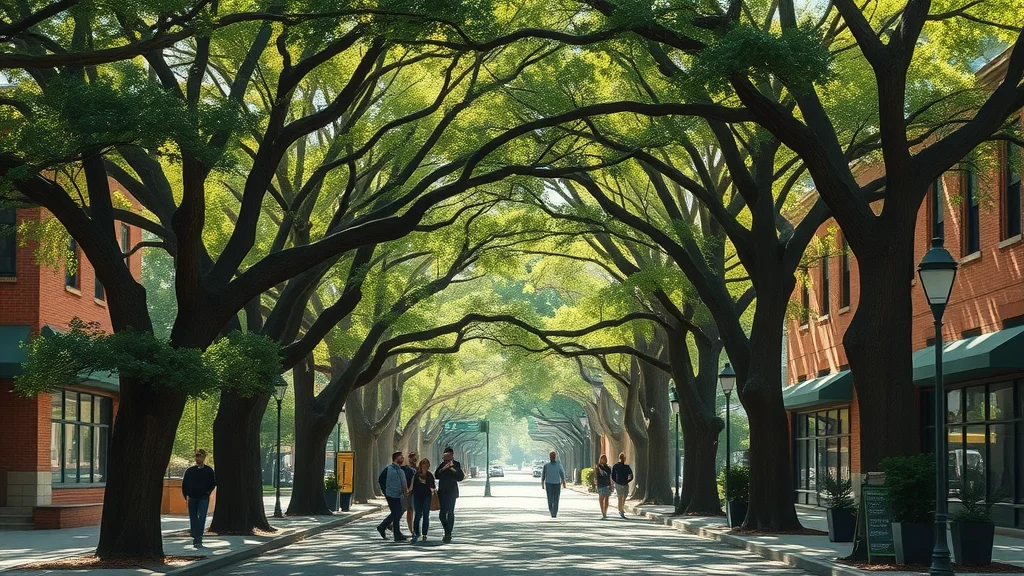
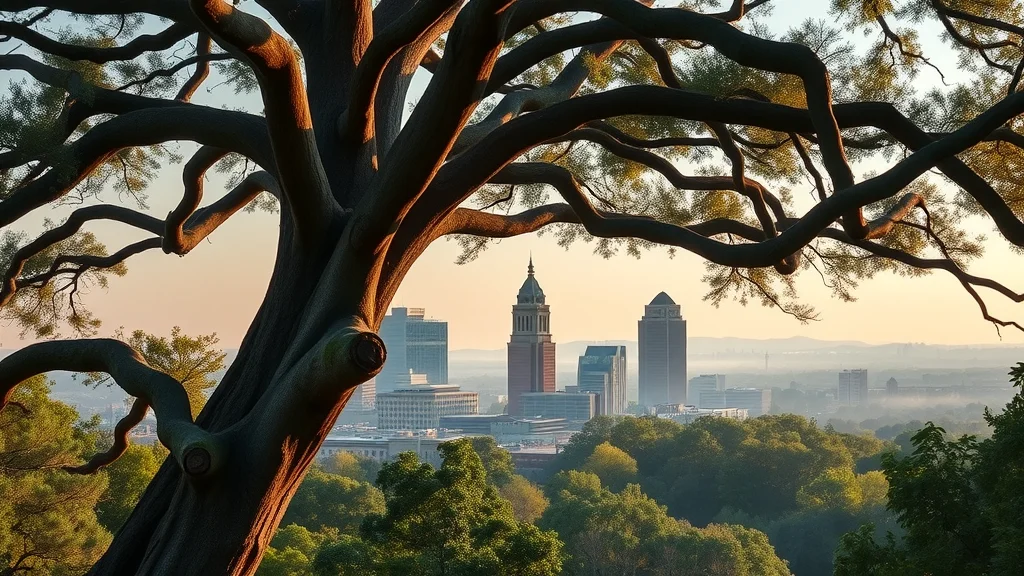
When visitors arrive in Raleigh, North Carolina, one of the first details they notice are the majestic oak trees lining nearly every major street and park in the city. The nickname, “City of Oaks,” isn’t just clever branding—it’s a legacy. Dating back to the city’s very founding in 1792, civic leaders purposefully planned Raleigh to be infused with oaks, building a community that felt both stately and inviting.
Today, more than 150,000 trees grow within the city’s limits, with oaks making up a celebrated portion of this green expanse, shading neighborhoods such as North Hills, downtown Raleigh, Oakwood, and stretching to the famed grounds of the State Capitol.
This commitment to green space and natural beauty has shaped how Raleigh’s residents, known as Raleighites or sometimes “Oak Citizens,” experience their hometown. Oaks line the historically significant Fayetteville Street, tower over Moore Square, and create leafy corridors along residential avenues. With each season, locals witness the city transform: vibrant greens in spring, dappled golds in autumn.
But beyond the striking scenery, the embrace of oaks has set Raleigh apart—not just as a capital city, but as a leader in urban forest preservation and civic identity. In fact, the story of these trees is also the story of Raleigh’s growth, resilience, and distinctiveness in North Carolina and the United States at large.
"Raleigh’s reputation as the 'City of Oaks' was established early in its history and remains an integral part of its character." — Dr. Emily Harper, North Carolina historian
What You'll Learn About Why Raleigh Is Called City of Oaks
The historical reasons behind Raleigh’s nickname 'City of Oaks'
How North Carolina’s capital nurtured its iconic oak trees
The significance of oak trees to Raleigh’s civic identity
The modern importance of urban forests in North Carolina
Local and nationwide recognition of Raleigh as the City of Oaks
Raleigh’s oak-lined streets and historic neighborhoods are more than just beautiful—they’re a testament to the city’s thoughtful planning and preservation. If you’re fascinated by how Raleigh’s heritage is reflected in its architecture and tree-shaded avenues, you’ll love exploring the charm of Raleigh’s historic homes and districts, where the city’s storied past comes alive beneath the canopy of oaks.
Raleigh’s Early Days: Why Is It Called City of Oaks?
Raleigh’s connection to oaks traces right back to its creation. Chosen as the capital of North Carolina in 1792, city founders specifically sought a location “where the land abounds with fragrant oak trees. ” Surveyor William Christmas drew the original city plan by overlaying a grid system across vast oak groves, shaping the way streets and public squares would be designed.
These groves were intentionally preserved—rare among cities of that era—making urban greenery a foundation of Raleigh’s civic DNA. Today, as you walk historic areas or visit places like the North Carolina Museum of Art and the State Capitol, you’ll spot remnants of the original oaks and see how new plantings continue this tradition.
This foresight wasn’t merely aesthetic; oaks were seen as protectors, providing desperately needed shade in the southern heat and sheltering residents from storms. Over the centuries, stories of early citizens celebrating newly-planted oaks, or even naming new districts (like Oakwood) in their honor, have become woven into local folklore.
Raleigh’s founding under the “oak ideal” influenced everything from city branding to the culture residents cherish today, giving North Carolina its greenest capital and earning the reverence of conservationists across the United States.

Historic city planning and preservation efforts
Stories from Raleigh’s founding regarding oak groves
Role of oaks in city branding since the 18th century
"Oak trees became the city’s living symbol, planted consciously and celebrated in annual festivals." — Raleigh Historical Society
City of Oaks: The Role of Oak Trees in Raleigh’s History
Why Oak Trees Became a Raleigh Landmark
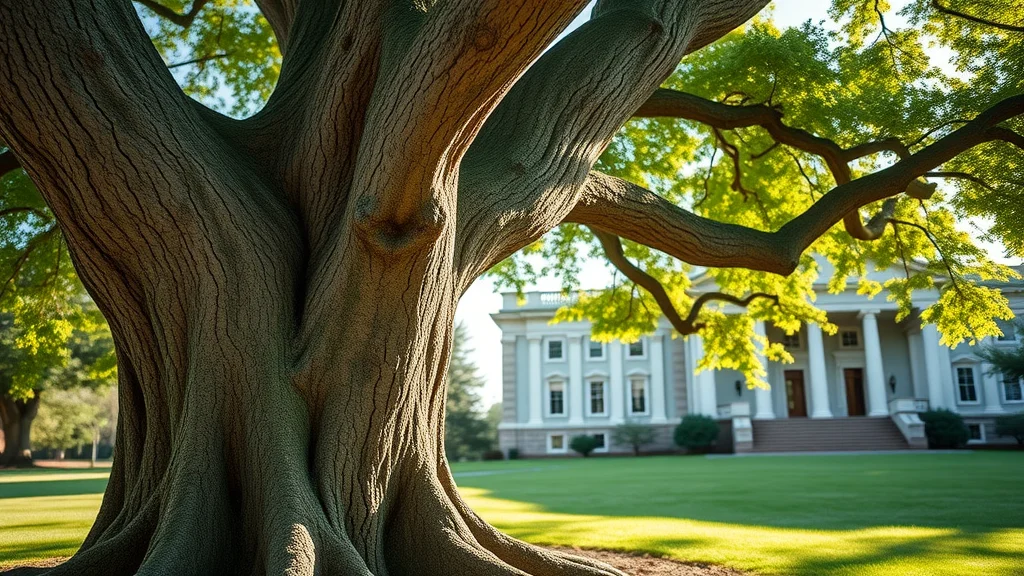
Few cities in the United States can claim such a longstanding, intentional relationship with trees as Raleigh. Early leaders recognized the benefits oak trees brought—not only aesthetically but environmentally and economically. Oaks’ broad canopies cool hot summer streets, their deep roots prevent soil erosion, and their acorns feed local wildlife.
Today, it’s common knowledge that shade from oaks reduces the urban heat island effect, fostering a healthier, more pleasant city for residents and visitors alike. As the city expanded—adding neighborhoods like North Hills and revitalizing historic districts—planners deliberately kept oak trees central to the urban design philosophy.
These choices paid off. Oak-lined streets became synonymous with Raleigh’s pleasant neighborhoods and thriving public life. The most famous oaks are found around the State Capitol, where ancient specimens create a stately, shaded square. Annual traditions, such as parades and the “Oak City Marathon,” make oak trees living backdrops for the city’s most memorable events, reinforcing their importance as both landmark and legacy. The enduring presence of these mighty trees is a tribute to Raleighites’ ongoing respect for their leafy heritage and their shared vision for a greener future.
The ecological and practical benefits of oak trees in urban development
Establishment of oak-lined streets as a core city planning decision
Famous oaks of Raleigh, including State Capitol grounds
The Meaning of 'City of Oaks' — A Green Identity for North Carolina
Community Pride and Ongoing Oak Tree Initiatives
Being known as the “City of Oaks” amounts to much more than a nod to nature; it reflects Raleigh’s enduring environmental ethos and thriving civic pride. Over the years, city leaders have launched ambitious urban forestry programs designed to replenish and protect these iconic trees.
Among the most prominent are “NeighborWoods Raleigh”—a city-backed initiative that plants new oak saplings guided by the community’s input—and organized volunteer days, in which Raleighites gather to nurture and maintain existing trees. These efforts help the city preserve its remarkable capacity: over 52% of metropolitan land in Wake County is covered by trees, according to conservation reports.
The pride is felt at every level of the community: from elementary school partnerships for “plant a tree” days, to the grand Oak City Marathon each fall, and festivals held beneath spreading boughs in Pullen Park, downtown Raleigh, and beyond. These events echo the sense of stewardship that defines Raleigh’s culture.
And as environmental awareness becomes ever more vital, Raleigh’s urban oasis offers a model for cities seeking balance between growth and green living—establishing the city as a beacon for sustainability, both in North Carolina and nationwide.

City programs that promote oak tree planting
Local celebrations: The Oak City Marathon & legacy events
Citizen involvement and Raleigh’s urban forestry volunteers
North Carolina and Oak Trees: Statewide Significance
Why Raleigh’s Leadership as the City of Oaks Matters in NC
Raleigh’s status as the “City of Oaks” has far-reaching impact beyond city limits. In North Carolina—a state renowned for its natural beauty, from the Blue Ridge Mountains to the Coastal Plain—oaks represent durability, heritage, and hope. While cities like Chapel Hill and Durham also boast green urban landscapes, none rival the oak canopy coverage or celebration found in Raleigh.
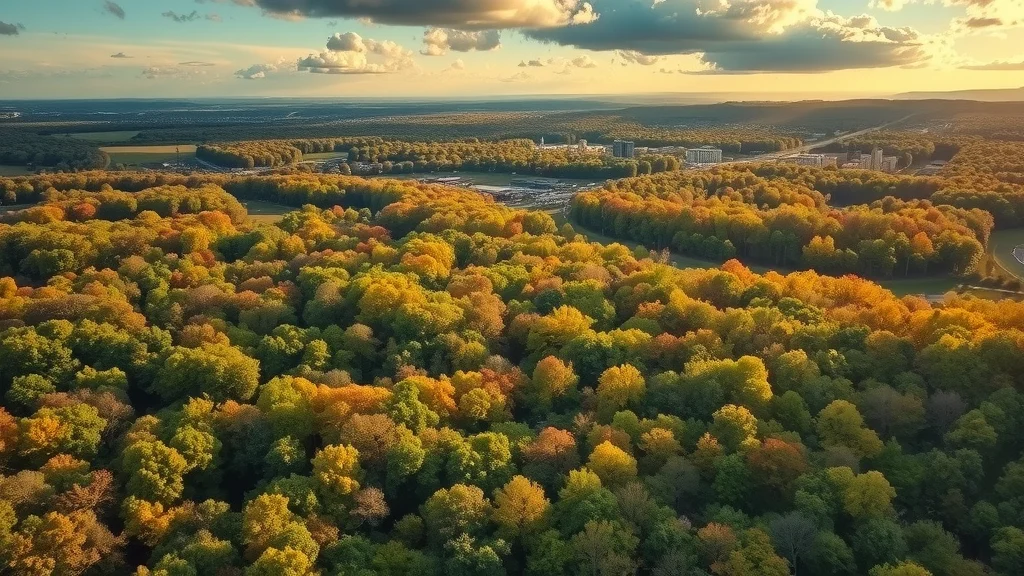
Reported data from conservation agencies indicate that Raleigh and Wake County consistently rank among the “greenest” metropolitan areas in the United States, with tree canopies exceeding both state and national averages per square mile.
This green leadership is not accidental. State-level initiatives—such as North Carolina’s “Urban and Community Forestry” program—work alongside local city departments to fund public and private planting, forest health assessments, and public education. The emblem of the oak is woven through North Carolina history: it’s found in colonial folklore, on city flags, in artwork at the North Carolina Museum of Art, and in annual celebrations at events like the State Fair.
Raleigh, as the state capital and center of the Research Triangle Park, sets the example for blending development, innovation, and environmental stewardship under its leafy banners.
Comparison to other North Carolina cities’ tree coverage
Statewide urban forest conservation efforts
Oak symbolism in North Carolina culture and art
How Raleigh’s Oak Trees Impact the City Today
Aspect |
Detail |
|---|---|
Environmental Benefits |
Air purification, shade, habitat for local wildlife |
Civic Identity |
Iconic branding, city emblems, and festivals |
Economic Value |
Tourism, real estate, environmental grants |
Community Engagement |
Volunteerism, city pride, educational programs |

Famous Oak Trees and Beloved Spots in the City of Oaks
The towering oaks on Fayetteville Street
Moore Square’s historic oak groves
Pullen Park’s old oak canopy
Oakwood neighborhood’s famous trees
State Capitol’s centuries-old oaks
People Also Ask About Why Raleigh Is Called City of Oaks
What does "city of oaks" mean?
The nickname 'City of Oaks' refers to Raleigh’s abundance of oak trees lining its streets, symbolizing the city’s long-standing commitment to urban greenery and community well-being.
What city is called the City of Oaks?
Raleigh, North Carolina, is popularly known as the City of Oaks due to its prominent oak tree canopy and strong environmental ethos.
Where is Raleigh City of Oaks?
Raleigh, dubbed the City of Oaks, is located in the heart of North Carolina and serves as the state’s capital.
What do they call people from Raleigh?
Residents of Raleigh are commonly referred to as 'Raleighites.' Some also embrace the playful title 'Oak Citizens' in reference to their city’s nickname.
Raleigh’s Oak Legacy: The City of Oaks in Modern North Carolina Culture
Quotes on Raleigh’s Evergreen Appeal
"The oaks of Raleigh not only define its skyline — they define its soul." — Local urban planner

Frequently Asked Questions About Why Raleigh Is Called City of Oaks
How many oak trees does Raleigh have?
Estimates suggest that Raleigh is home to more than 50,000 oak trees, with many mature specimens lining major streets, parks, and historic districts.When did Raleigh start using the City of Oaks nickname?
References to “City of Oaks” appeared as early as the 19th century, reflecting both civic branding and city planning documents from Raleigh’s early years.Are there any initiatives to protect Raleigh’s oak trees?
Yes, Raleigh invests in several urban forestry programs such as NeighborWoods, community tree-planting days, and routine preservation led by the city’s Parks and Recreation Department.Do other cities in North Carolina compete for a similar title?
While many North Carolina communities value urban forestry, Raleigh stands out for its oak population and civic focus on tree preservation, a claim few other cities can match at the same scale.
Key Takeaways: The Roots of Raleigh, the City of Oaks
Raleigh is rightly called the City of Oaks due to its more than 50,000 oak trees.
Oak trees symbolize the city’s environmental leadership, community pride, and green culture.
Raleigh’s identity as the City of Oaks is celebrated throughout North Carolina and beyond.
In Summary: Why Is Raleigh Called City of Oaks?
The last word: Raleigh’s oak trees are far more than shade — they’re emblematic of a heritage of care, stewardship, and civic beauty at the heart of North Carolina.
Raleigh’s story as the City of Oaks is just one facet of what makes this capital city so special. If you’re inspired by Raleigh’s green legacy and considering making this vibrant community your home, take your next step by learning about insider tips for buying a home in North Carolina.
Discover how local knowledge and a deep appreciation for Raleigh’s neighborhoods—many shaded by those iconic oaks—can help you find the perfect place to put down roots and become part of the city’s ongoing story.
Explore More Raleigh: Your Gateway to the City of Oaks
Find more great Raleigh area content on BreezyRaleigh.com
Sources
Raleigh, North Carolina, is affectionately known as the “City of Oaks” due to the abundance of oak trees that line its streets and parks. This nickname reflects the city’s commitment to preserving its natural beauty and green spaces. The oak tree is deeply integrated into Raleigh’s identity, even appearing on the city’s official seal. (apartmentguide. com)
The tradition of planting and maintaining oak trees dates back to the city’s founding in 1792, when city planners intentionally incorporated these trees into the urban landscape. This foresight has contributed to Raleigh’s picturesque scenery and symbolizes the city’s resilience and strength. (luxwisp. com)
Today, Raleigh continues to honor its nickname through various initiatives and symbols. For instance, the city celebrates the New Year by dropping a giant acorn, a nod to its “City of Oaks” moniker. (johnsmoving. com)
Additionally, the “Shimmer Wall” at the Raleigh Convention Center features a giant oak tree, further emphasizing the city’s connection to its oak heritage. (en. wikipedia. org)
These enduring symbols and traditions highlight Raleigh’s dedication to preserving its natural environment and celebrating its unique identity as the “City of Oaks. ”



Write A Comment